
Concerned about the effects of bug zappers on birds? Our comprehensive guide delves into the science behind UV lights and the risks they pose to our avian neighbors. Learn what experts say and how you can use bug zappers responsibly.
April 15, 2025
6 min read time
This information is reviewed by an independent pest control expert.
All external links are non-affiliated and for informational purposes only
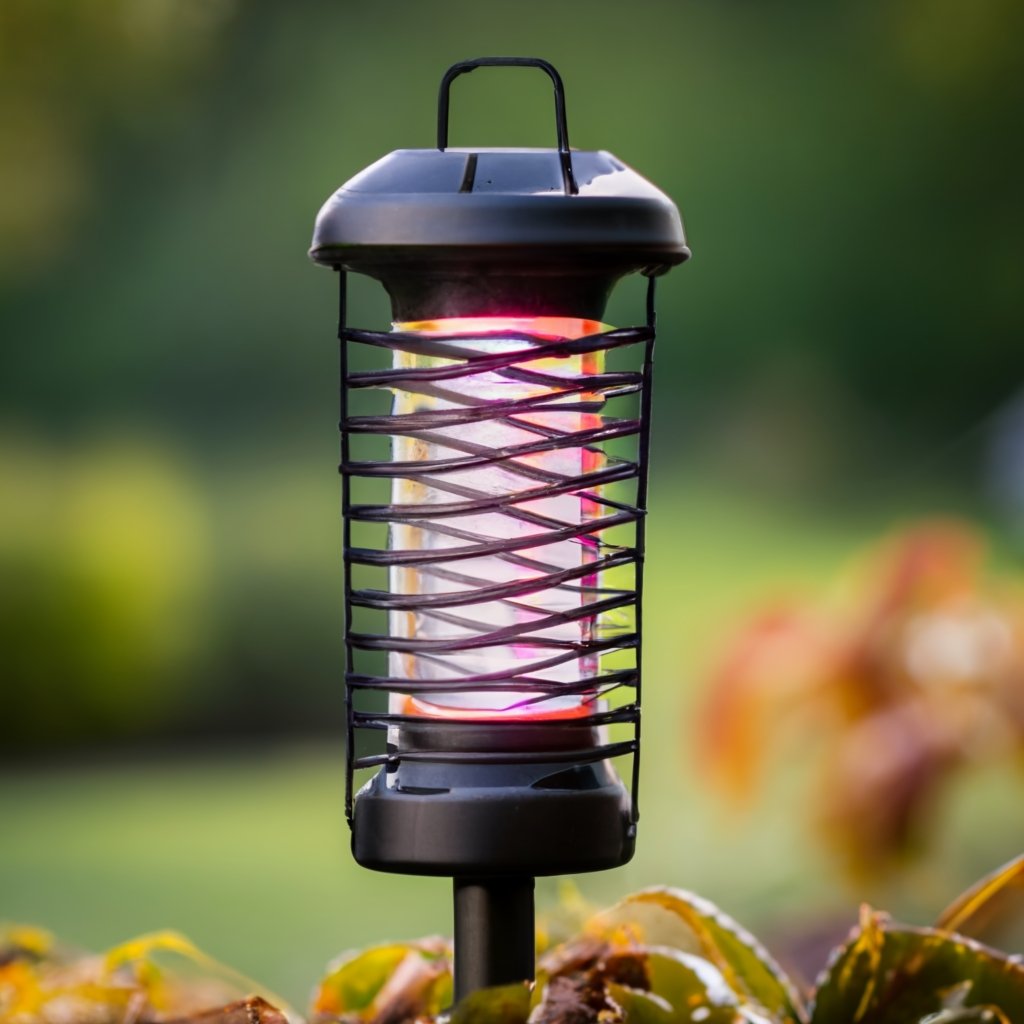
When the sun sets and the stars begin to twinkle, many of us enjoy outdoor evenings filled with laughter, conversation, and perhaps a barbecue or two. However, as dusk descends, so do the pesky insects that seem determined to ruin our fun. Enter the bug zapper: a device that promises to rid our spaces of flying nuisances with a satisfying zap! But have you ever stopped to wonder about the impact these devices might have on our feathered friends? Are bug zapper lights harmful to birds? Let’s dive into this intriguing topic and explore the potential consequences.
Bug zappers, also known as electric insect killers, are devices designed to attract and eliminate flying insects like mosquitoes, flies, and moths. They typically use ultraviolet (UV) light to lure bugs in before delivering a jarring electric shock that kills them. While these devices are popular for their effectiveness in controlling insect populations, they raise important questions about their impact on the ecosystem, particularly on birds.
Bug zappers are a go-to solution for many outdoor enthusiasts. Here are a few reasons why:
However, while we enjoy the benefits of bug zappers, it’s essential to consider the broader ecological implications of these devices.
To truly grasp the potential impact of bug zappers on birds, we need to understand the food chain. Birds are a crucial part of our ecosystems, and many species rely on insects as a primary food source. The relationship between birds and insects is complex and interconnected. When bug zappers eliminate large numbers of insects, they can inadvertently affect bird populations and other wildlife.
While bug zappers are effective at killing insects, they don’t discriminate. They attract and kill not only pests but also beneficial insects, such as:
By reducing the number of beneficial insects, bug zappers can disrupt local ecosystems, leading to a cascade of effects that may even impact bird populations.
Birds have excellent vision and can see a broader spectrum of light than humans, including ultraviolet light. While this ability helps them find food and navigate their environment, it also makes them susceptible to artificial lights, such as those emitted by bug zappers.
While birds are not the primary targets of bug zappers, they can still fall victim to the electric shock mechanism. This raises serious concerns about the safety of these devices for avian life.
Research on the impact of bug zappers on birds is still limited, but some studies have shed light on the potential risks. For example, a study published in the journal Environmental Entomology found that bug zappers can kill significant numbers of non-target insects, including those vital for bird diets.
If you’re concerned about the impact of bug zappers on birds, there are several bird-friendly alternatives to consider:
If you still prefer to use a bug zapper, consider the following adjustments to minimize harm to birds:
Placement: Position your bug zapper away from areas where birds are known to frequent, such as nesting sites or bird feeders.
Timing: Use bug zappers primarily during peak insect activity times, reducing their use during the bird breeding season.
Shielding: Use shields to cover the zapper, allowing insects to enter while minimizing the risk to birds.
Learn all about Bug zappers
Deep dive this topic with hand-picked articles just for you
The decline of bird populations worldwide is a pressing issue. Habitat loss, climate change, and pollution are significant factors contributing to this decline. As we explore the impact of bug zappers on birds, it’s essential to consider our role in conservation efforts.
By educating ourselves and others about the potential risks associated with bug zappers, we can make informed choices that benefit both our outdoor experiences and the well-being of local wildlife. Here are some ways to raise awareness:
In conclusion, while bug zappers offer a convenient solution to combat annoying insects, we must consider their potential impact on birds and the broader ecosystem. The attraction of UV light, the risks of electric shock, and the unintended consequences of reducing insect populations all highlight the need for cautious usage.
By choosing bird-friendly alternatives and adjusting how we use bug zappers, we can strike a balance between enjoying our outdoor spaces and protecting our avian friends. Let’s make informed choices that promote harmony between humans and wildlife, ensuring that our evenings under the stars remain joyful for all creatures great and small.
By remaining mindful of the effects of our actions, we can help create a world where both humans and birds thrive together. So, the next time you reach for that bug zapper, remember the delicate balance of nature and consider how you can make a difference. Happy outdoor adventures!
10 more replies


Has anyone else noticed if bug zapper lights are having an effect on birds? I think I read somewhere that they might be harmful, but I’m not sure.
Yes, I’ve heard that too! Bug zapper lights can potentially harm birds by disrupting their feeding patterns. Has anyone seen research on this?
There are studies suggesting that bug zappers can attract insects that birds rely on for food, creating competition for these resources and causing problems for the birds.
I read a report that said the UV light used in bug zappers can also confuse birds’ navigational senses. It makes sense considering how some nocturnal birds use natural light cues.
Does anyone have alternative methods for controlling bugs that are bird-friendly? I’m concerned about harming local wildlife.
Consider using natural repellents like citronella or installing bat boxes. Bats consume a lot of insects and are a great way to keep the bug population down without harming birds.
I use bug zappers in my backyard and never thought they could hurt birds. Should I stop using them immediately?
@BatWoman52 It might be a good idea to switch to more eco-friendly options. Bug zappers kill many beneficial insects as well, which can affect the entire ecosystem including birds.
Maybe you could use bug zappers more selectively. Place them farther away from areas where birds commonly feed or nest to minimize any negative impact.
That’s a good suggestion. Also, consider reducing the time they’re on. Using timers to limit their operation during times when birds are less active can help.