
Remember to prioritize quality when purchasing a bug zapper, maintain it regularly, and be mindful of its placement.
May 21, 2025
5 min read time
This information is reviewed by an independent pest control expert.
All external links are non-affiliated and for informational purposes only
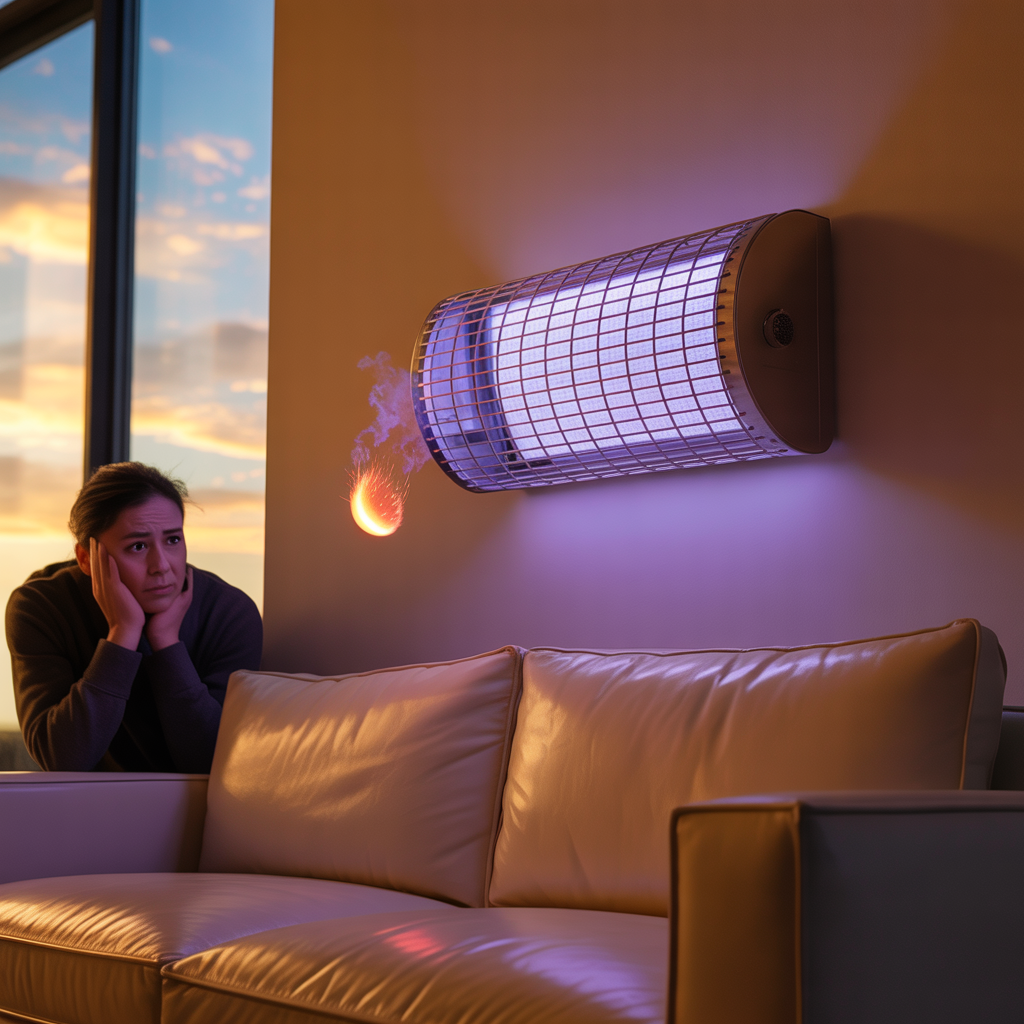
When the sun sets and the stars begin to twinkle, many of us look forward to enjoying the great outdoors. However, nothing can ruin a perfect evening quite like pesky mosquitoes and other flying insects. Enter the bug zapper, that electric contraption that promises to help reclaim our evenings with just a zap! But as we bask in the glow of this bug-fighting device, an important question arises: Are bug zappers a fire hazard? In this comprehensive guide, we’ll dive deep into the world of bug zappers, exploring their safety, effectiveness, and potential risks.
Before we delve into fire hazards, let’s first understand what a bug zapper is. A bug zapper, also known as an electric insect killer, is a device that uses electricity to attract and kill flying insects. Here’s how it works:
Bug zappers have gained immense popularity for several reasons:
While bug zappers are a popular choice for pest control, concerns about their safety, especially regarding fire hazards, have been raised. Let’s examine these concerns in detail.
Bug zappers are electrical devices, which means they come with inherent risks:
Where and how you use your bug zapper can greatly affect its safety:
Just like any electrical appliance, bug zappers require regular maintenance to ensure safety:
Now that we’ve explored the potential risks, it’s time to answer the burning question: Are bug zappers a fire hazard? The short answer is: It depends.
Experts in electrical safety generally agree that while the risk exists, it is relatively low when using a properly designed and maintained bug zapper. According to the Consumer Product Safety Commission (CPSC), there have been few reported incidents of fires directly caused by bug zappers. However, this doesn’t mean you should use them carelessly.
If you’re considering adding a bug zapper to your outdoor space, here are some safety tips to keep in mind:
If you’re still concerned about the safety of bug zappers, there are several alternative methods for keeping bugs at bay:
Using essential oils or natural sprays can effectively deter insects. Some popular options include:
Consider using non-electric bug traps. These often use bait to attract insects and then trap them without the use of electricity.
Screens on windows and doors can prevent bugs from entering your home or outdoor spaces without the need for zappers or chemicals.
In summary, bug zappers can be a convenient and effective way to control flying insects, but they do come with certain risks, particularly regarding fire hazards. By understanding these risks and taking proper precautions, you can safely enjoy your evenings outdoors without the nuisance of bugs.
Remember to prioritize quality when purchasing a bug zapper, maintain it regularly, and be mindful of its placement. With these steps, you can turn your bug zapper from a potential fire hazard into a helpful ally against pesky insects.
So, the next time you hear that zap, you can enjoy your evening with peace of mind, knowing you’re equipped with the right knowledge to keep both the bugs and fire hazards at bay!