
If you don't already know what bug zappers are, they are devices that work by attracting and killing insects on contact.
April 15, 2025
6 min read time
This information is reviewed by an independent pest control expert.
All external links are non-affiliated and for informational purposes only
When you’re expecting a little one, every decision—big or small—can feel monumental. From what to eat to what products are safe to use around your home, pregnant women often navigate a sea of information and advice. One question that frequently pops up during the warmer months is, “Are bug zappers safe for pregnant women?” In this article, we’ll explore the ins and outs of bug zappers, their safety, and alternative pest control options that might be more suitable for expectant mothers.
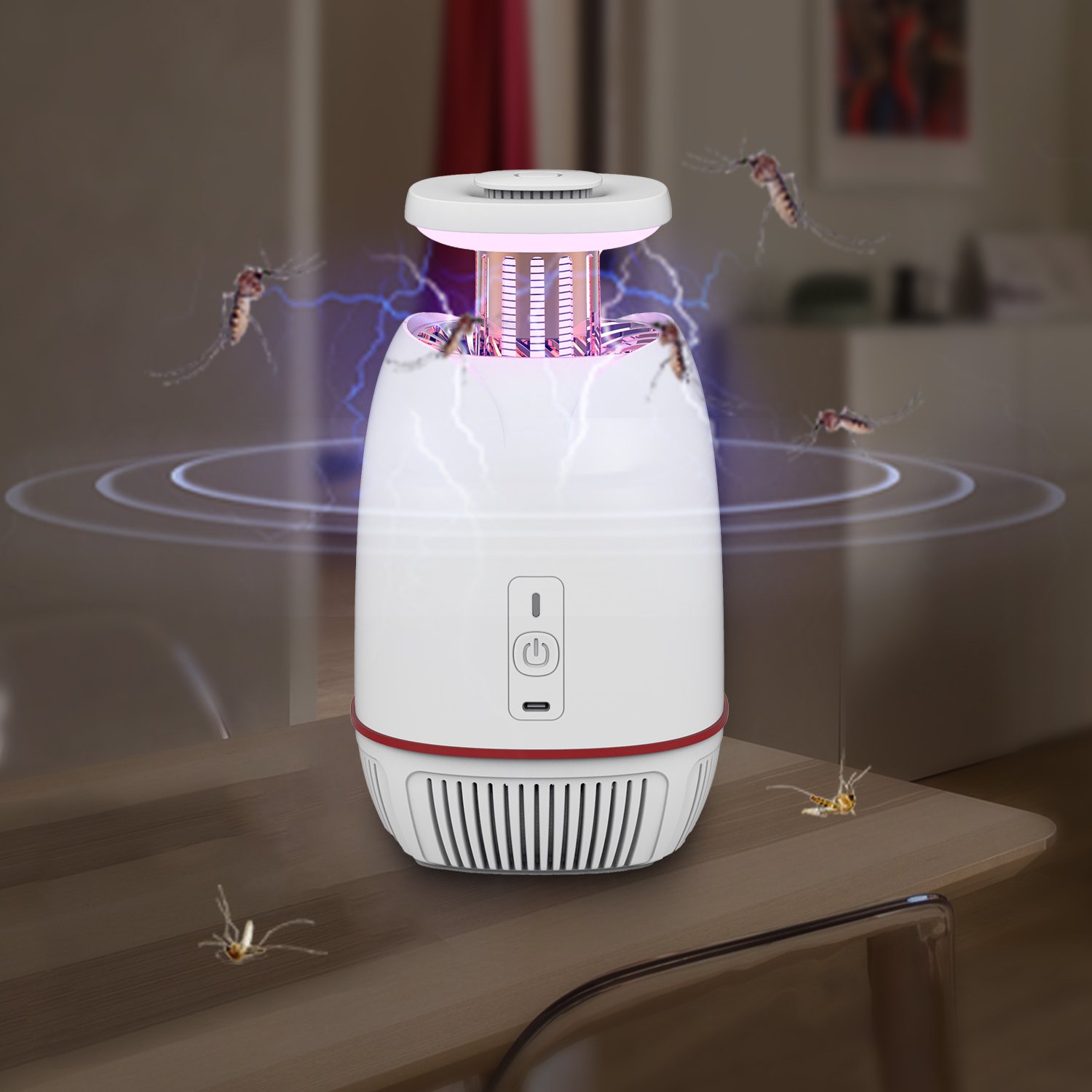
Before we dive into the safety concerns, let’s clarify what a bug zapper is. Bug zappers are electronic devices designed to attract and kill flying insects, primarily mosquitoes and flies. They work by emitting ultraviolet light, which lures insects in, and then zaps them with a high-voltage electric grid. Many households use these devices to reduce pest problems, particularly in outdoor settings.
Now, let’s get to the crux of the matter: Are bug zappers safe for pregnant women? The short answer is yes, but with some caveats. While bug zappers are generally safe to use around pregnant women, there are a few factors to consider.
Bug zappers generate electromagnetic fields (EMFs) as they operate. Some individuals express concern about prolonged exposure to EMFs during pregnancy. Although most research indicates that the EMFs produced by household appliances, including bug zappers, are well below the recommended safety limits, if you have concerns, consider placing the zapper outside and away from areas where you spend significant time.
Most bug zappers operate without the use of toxic chemicals, making them a safer alternative to traditional insecticides. However, if you are using a zapper in conjunction with other pest control methods that involve chemicals, be aware of potential exposure. Always read labels and consult your healthcare provider if you’re unsure.
Bug zappers can produce a noticeable buzzing sound, especially when they zap an insect. While this is not harmful, it can be annoying. If you’re particularly sensitive to noise during your pregnancy, consider positioning the zapper further away from your living space.
One of the most appealing aspects of bug zappers is that they provide a chemical-free way to manage pests. This can be especially beneficial for pregnant women who want to avoid exposure to pesticides and other harsh chemicals.
Bug zappers are particularly effective against mosquitoes, which can be a nuisance during pregnancy. Mosquito bites can lead to discomfort and, in some cases, transmit diseases such as Zika virus, making it crucial to manage mosquito populations.
Bug zappers are generally easy to set up and require minimal maintenance. With a simple plug-in, you can enjoy a bug-free environment without worrying about the complexities of traditional pest control methods.
Learn all about BUG ZAPPER
Deep dive this topic with hand-picked articles just for you
While bug zappers can be a safe option, it’s always good to have alternatives. Here are some other methods to consider for keeping bugs at bay during pregnancy:
Using natural insect repellents can be a safe and effective way to deter bugs without the risk associated with chemical pesticides. Look for products that contain ingredients like:
Always check with your healthcare provider before using new products, even if they are natural.
Certain essential oils can help repel insects. You can use a diffuser or create your own spray by mixing essential oils with water. Some effective oils include:
Sometimes, the best solution is to create physical barriers. Consider using:
Keeping your surroundings clean is one of the best ways to prevent bugs. Here are a few tips:
To gain a well-rounded perspective, we consulted a few experts in the field, including entomologists and obstetricians. Here’s what they had to say:
Entomologists generally agree that bug zappers can be effective in reducing certain insect populations, but they also point out that they often kill beneficial insects. If you’re considering a bug zapper, think about your overall ecosystem and whether it’s the right fit for your yard.
Most obstetricians reassure that bug zappers pose minimal risk to pregnant women. They emphasize the importance of avoiding chemical insecticides and recommend bug zappers as a safer alternative. However, they advise pregnant women to keep zappers away from areas where they spend a lot of time, just to be cautious.
So, are bug zappers safe for pregnant women? The answer is largely yes, as they offer a chemical-free way to manage pests, but it’s important to consider factors like EMF exposure, noise levels, and any other pest control methods you may be using.
Ultimately, you know your body and your environment best. If you feel comfortable using a bug zapper, it can be a helpful tool in keeping pesky insects at bay. However, don’t forget to explore alternatives, from natural repellents to maintaining cleanliness, to create a safe haven for you and your baby.
As always, if you have any concerns, consulting a healthcare provider is your best bet. Enjoy your pregnancy, and may your home be free of bothersome bugs!
10 more replies


Thanks for clarifying it to everyone.