
While bug zappers are a convenient and popular choice for controlling flying insects, they may not be your best option for dealing with deer flies.
April 15, 2025
6 min read time
This information is reviewed by an independent pest control expert.
All external links are non-affiliated and for informational purposes only
When summer rolls around, so do the pesky insects that seem to be on a mission to ruin our outdoor fun. Among these unwelcome guests are deer flies, known for their painful bites and relentless buzzing. As you prepare for your backyard barbecues or camping trips, you might wonder if those bright, buzzing bug zappers will help keep these annoying critters at bay. Are deer flies attracted to bug zappers? Let’s dive deep into this topic, unraveling the mysteries of deer flies, bug zappers, and what you can do to enjoy a bug-free outdoor experience.
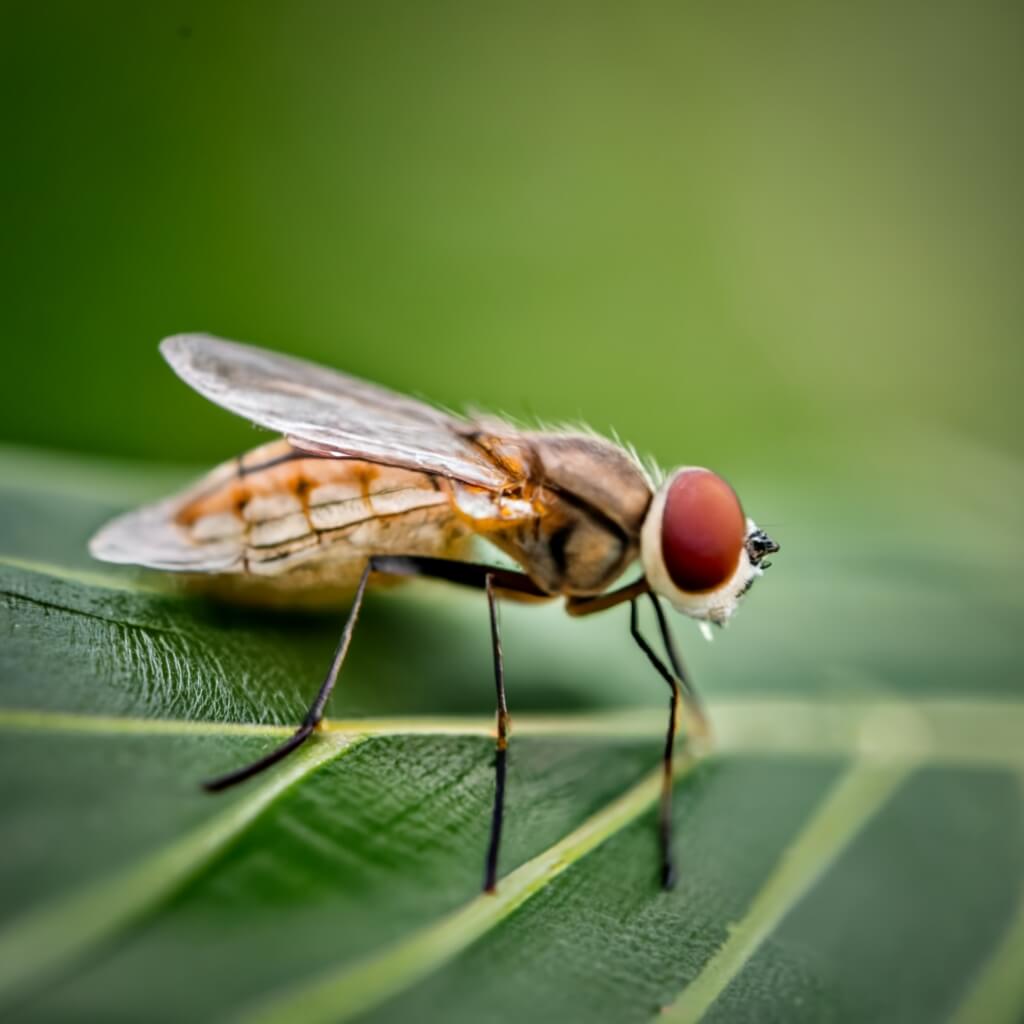
Deer flies, scientifically known as Chrysops, are large, biting flies that thrive in warm climates. They are usually found near water bodies, making summer picnics near lakes or rivers a prime target for these pests. With their characteristic dark wings and yellow or tan bodies, deer flies can be easily recognized, but their painful bites can often go unnoticed until it’s too late.
Deer flies are not just annoying; they can be quite painful. When they bite, they use their sharp mouthparts to slice through skin, which not only causes immediate pain but can also lead to itching and swelling. Furthermore, they are persistent and often return multiple times, making it difficult to enjoy your outdoor activities.
Understanding the life cycle of deer flies can help you comprehend the best times to protect yourself against them. Here’s a quick overview:
The entire life cycle typically takes around four to six weeks, depending on environmental conditions.
Bug zappers, also known as electric insect traps, attract insects using ultraviolet light. Once the insects approach, they are zapped by an electric grid, effectively killing them. While these devices are popular for controlling various insect populations, their effectiveness can vary depending on the type of bug.
Bug zappers are primarily designed to attract night-flying insects, such as moths, mosquitoes, and flies. These insects are drawn to the UV light, mistaking it for natural light sources. However, not all insects are equally attracted to bug zappers.
Now, let’s tackle the burning question: Are deer flies attracted to bug zappers? The short answer is no, not significantly. Here’s why:
Limited Effectiveness: While a bug zapper may catch a few deer flies, it is not an efficient or reliable method for controlling their populations. You might find a few other insects getting zapped, but the deer flies will likely continue to buzz around.
Daytime Activity: Deer flies are primarily diurnal, meaning they are active during the day. Bug zappers, on the other hand, use UV light that is most effective at attracting nocturnal insects.
Sensory Preferences: Deer flies are more attracted to natural cues such as movement, carbon dioxide, and body heat rather than artificial light. They tend to hone in on mammals, particularly deer, which is how they got their name.
Learn all about BUG ZAPPER
Deep dive this topic with hand-picked articles just for you
If bug zappers aren’t the answer to your deer fly dilemma, don’t worry! There are plenty of other strategies to keep these pesky flies away. Here are some effective alternatives:
Using insect repellents containing DEET, picaridin, or oil of lemon eucalyptus can effectively ward off deer flies. Remember to apply the repellent according to the instructions for the best results.
Wearing light-colored, long-sleeved clothing can help reduce deer fly bites. These flies are attracted to darker colors, so dressing in light shades can make you less appealing.
Since deer flies thrive near water bodies, try to avoid spending time in these areas during their peak activity hours (typically late morning and early afternoon). If you must be in such areas, plan activities later in the day when they are less active.
Using screens, nets, or tents can create a protective barrier against deer flies, especially during outdoor meals. Consider using bug nets when sitting outdoors to keep these flies at bay.
Encouraging natural predators like bats and birds can help keep the deer fly population in check. Planting wildlife-friendly plants can attract these beneficial creatures to your yard.
Using sticky traps or homemade traps can help catch deer flies. You can make a simple trap by filling a container with sugar water or vinegar. The scent will attract the flies, and they will become trapped.
To enjoy your time outdoors without the constant annoyance of deer flies, consider planning your activities strategically:
If you have a yard, consider these tips to minimize deer flies:
In summary, while deer flies can be a major nuisance during the summer months, bug zappers are not the solution you’re looking for. These devices are not significantly effective in attracting or controlling deer flies, mainly due to their daytime activity patterns and preference for natural cues. Instead, employing a combination of repellents, protective clothing, and strategic planning can help you enjoy your outdoor activities without the constant buzzing and biting.
Remember, the key to a pleasant outdoor experience lies in understanding the creatures you’re dealing with and taking proactive measures to keep them at bay. With a little preparation and awareness, you can reclaim your outdoor space and enjoy the beauty of summer without the burden of deer flies!
24 more replies


I read that most bug zappers attract insects that are drawn to light, such as moths, but I’m not sure about deer flies. Anyone got solid info?
In my experience, deer flies seem more attracted to CO2 and movement rather than light. That’s why they bother us so much when we’re active outdoors.
You’re right, @EcoWarrior . Deer flies are more drawn to dark moving objects and carbon dioxide. Bug zappers aren’t particularly effective against them.
I can affirm this. I’ve never seen deer flies get zapped, but mosquitoes and moths seem to flock to those things.
Exactly, bug zappers are great for evening garden parties but they won’t help if you’re battling deer flies.
So, what’s the best way to deal with deer flies if bug zappers don’t work?
I’ve had success using CO2 traps and sticky traps. They seem to be more effective than zappers.
I second that. Those sticky headbands are a lifesaver when hiking.
It’s a bit gross, but they work. Bug zappers are pretty useless against deer flies.
I didn’t think deer flies were attracted to bug zappers, but does anyone have scientific research backing this up?