
Fireflies generally aren’t attracted to bug zappers, but that doesn’t mean we shouldn’t be mindful of our impact on their populations.
April 15, 2025
6 min read time
This information is reviewed by an independent pest control expert.
All external links are non-affiliated and for informational purposes only
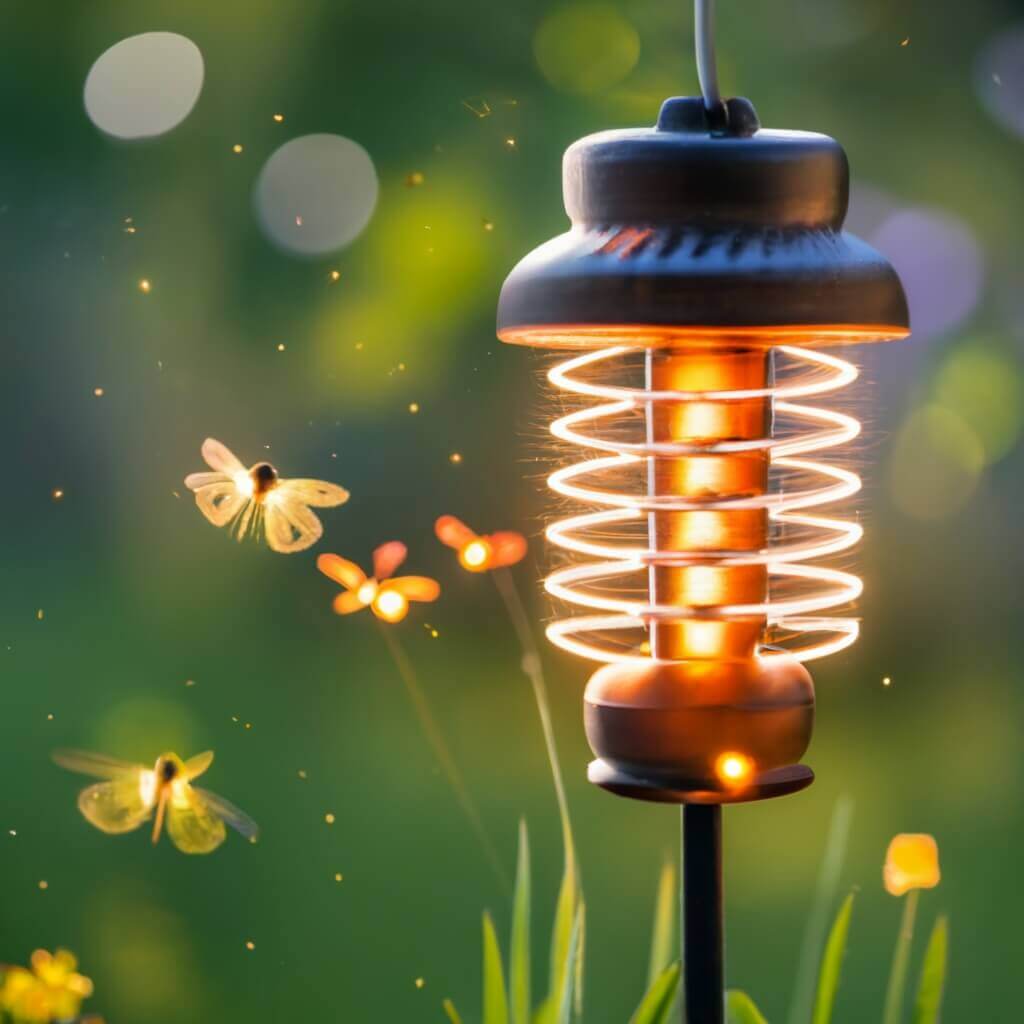
If you’ve ever spent a warm summer evening outside, you’ve likely been enchanted by the magical sight of fireflies dancing in the twilight. Their soft, flickering glow adds a touch of wonder to any night, often prompting us to ponder the mysteries of nature. However, as you watch these little creatures illuminate the dark, you might find yourself wondering: Are fireflies attracted to bug zappers? This question has been a topic of debate among outdoor enthusiasts and scientists alike.
In this article, we’ll dive deep into the world of fireflies and bug zappers, exploring their behaviors, the science behind attraction, and what you can do to enjoy fireflies in your backyard without the interference of those buzzing devices.
Fireflies, or lightning bugs as they are affectionately known, are more than just a beautiful sight in the summer months. They are actually beetles belonging to the family Lampyridae. These fascinating insects are best known for their bioluminescence—the ability to produce light through a chemical reaction in their bodies.
Fireflies use their glow primarily for communication and mating. Male fireflies emit specific light patterns to attract females, who respond with their own flashes. This courtship display can vary between species, leading to diverse light patterns. Interestingly, fireflies can also produce light as a defense mechanism to warn predators that they are toxic.
Fireflies typically go through a four-stage life cycle: egg, larva, pupa, and adult. They thrive in moist environments such as gardens, fields, and near water sources. Firefly larvae are predatory and feast on other insects, which is another reason why these little creatures are beneficial to have around.
Bug zappers are electric devices designed to attract and kill flying insects. They usually consist of a light source, often ultraviolet (UV) light, and an electrified grid that zaps insects upon contact.
Many people believe that bug zappers are the ultimate solution for pest control. However, studies have shown that they primarily attract non-biting insects, meaning they often kill beneficial insects rather than just pests.
Learn all about Bug Zapper
Deep dive this topic with hand-picked articles just for you
Now that we have a basic understanding of fireflies and bug zappers, let’s address the pressing question: Are fireflies attracted to bug zappers?
While fireflies are drawn to light, they are not significantly attracted to bug zappers. Their bioluminescence is specifically designed for communication among their own kind, rather than for attraction to artificial light sources.
While fireflies might not be directly attracted to bug zappers, they can still be affected by them. Because bug zappers kill a range of insects—including beneficial ones—it can disrupt the food chain and lead to a decline in firefly populations over time.
Using bug zappers in areas where fireflies thrive can have unintended ecological consequences. When beneficial insects are eliminated, it can lead to increased pest populations, reduced biodiversity, and, ultimately, a less vibrant ecosystem.
Fireflies serve as bioindicators, meaning their presence reflects the health of their environment. A declining firefly population can indicate broader environmental issues, such as habitat loss and pollution. By using bug zappers, we may inadvertently contribute to these problems.
Fireflies are not only beautiful but also play a significant role in the ecosystem. They help control pest populations and serve as food for birds and other wildlife. Protecting their habitats is crucial for maintaining biodiversity.
If you’re looking to enjoy your outdoor space without the annoyance of pests, there are several alternatives to bug zappers that are more environmentally friendly:
Attract birds, bats, and beneficial insects (like ladybugs and lacewings) to your garden. These natural predators can help keep pest populations in check.
Installing screens on doors and windows can prevent bugs from entering your home, while also allowing you to enjoy the outdoors.
If you want to attract fireflies to your yard and enjoy their enchanting presence, consider implementing the following tips:
In summary, while fireflies are not attracted to bug zappers, the devices can still pose a threat to their populations by indiscriminately killing beneficial insects. Understanding the behaviors and needs of these enchanting creatures can help us create a more inviting environment for them.
By using natural pest control methods, reducing light pollution, and fostering a diverse ecosystem, we can enjoy the delightful glow of fireflies in our backyards for years to come.
So, next time you’re out on a summer night, take a moment to appreciate the beauty of fireflies and remember that there’s more to them than meets the eye. Embrace their magic by creating a firefly-friendly environment, and watch as your backyard transforms into a twinkling wonderland!