
While bug zappers are useful for controlling flying insects, they're not the most effective tool for dealing with roaches.
April 15, 2025
6 min read time
This information is reviewed by an independent pest control expert.
All external links are non-affiliated and for informational purposes only
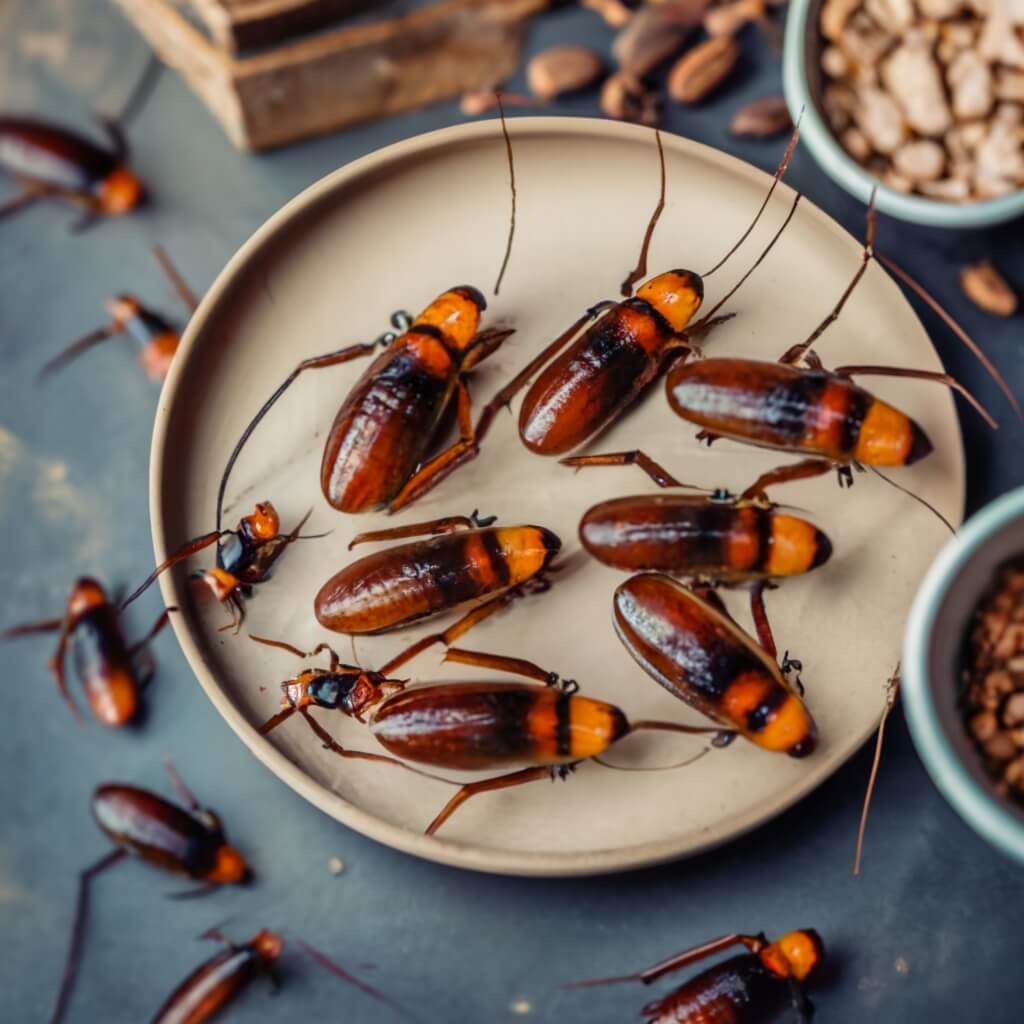
Imagine this: you walk into your home after a long day, ready to unwind. As you flick on the lights, you hear that unmistakable zap from a bug zapper in the corner. You smile, thinking it’s been working hard to keep your space bug-free. But then, a question creeps into your mind—are roaches attracted to bug zappers?
In this article, we’ll dive deep into the surprising relationship between roaches and bug zappers. We’ll explore how these devices work, what attracts roaches, and whether you should rely on them as your primary pest control method. So, grab a comfy seat, and let’s get started!
Bug zappers are electronic devices designed to attract and kill flying insects. They typically consist of:
Bug zappers work by emitting UV light that draws insects in. The idea is that flying insects are naturally attracted to light, especially at night. When they approach the zapper, they fly into the electrified grid and are instantly killed.
Research shows that certain insects, like moths and mosquitoes, are highly attracted to UV light. This light mimics natural light sources, making them think it’s safe to approach. However, when it comes to cockroaches, the story changes.
Roaches are primarily nocturnal creatures that prefer dark, hidden places. Unlike moths and other flying insects, they are not particularly attracted to light. In fact, they tend to avoid it. So, when it comes to bug zappers, the bright light that draws in many insects isn’t likely to attract roaches.
Instead of light, roaches are drawn to:
Since roaches are not attracted to the light emitted by bug zappers, it’s safe to say that these devices are not effective for controlling roach populations. If your primary concern is roaches, you’ll need a different approach.
Keeping your home clean is the first line of defense against roaches. Here’s how you can maintain a roach-free environment:
Roaches can enter your home through tiny cracks and gaps. To prevent this:
Instead of relying on bug zappers, consider using roach baits and traps:
In more severe infestations, you might need to use insecticides. Here are some options:
If the roach problem persists despite your efforts, it may be time to call in the professionals. Pest control experts can assess the situation and apply stronger treatments that can effectively eliminate the infestation.
While it’s true that bug zappers attract many flying insects, it’s essential to remember that not all insects are drawn to light. Roaches, specifically, are not one of them.
Many people believe that bug zappers alone can keep their homes pest-free. However, they are most effective for flying insects and should be part of a broader pest control strategy.
While cleanliness plays a significant role in attracting or repelling roaches, these pests can thrive in any environment, even in clean homes. They are highly adaptable and can find food and shelter in the most unexpected places.
If you’re looking for other pest control devices, consider the following alternatives:
These devices emit sound waves that are supposed to deter pests, including roaches. While the effectiveness is debated, some users report success.
Many people turn to natural remedies to repel roaches. Some popular options include:
Using traps that contain pheromones can attract roaches, making it easier to catch them.
Learn all about Bug zapper
Deep dive this topic with hand-picked articles just for you
In summary, roaches are not attracted to bug zappers. Instead, they are drawn to food, moisture, and hiding spots. If you’re dealing with a roach problem, bug zappers won’t be your solution. Instead, focus on cleanliness, sealing entry points, and using effective baits and traps.
Remember that pest control is often about prevention and maintenance. By taking proactive steps, you can create a less inviting environment for these unwelcome guests. So, the next time you hear that zap, don’t assume it’s doing the job for roaches—it’s likely just zapping away those pesky flies!
Now that you’re equipped with knowledge about the relationship between roaches and bug zappers, you can make informed decisions to keep your home pest-free. Happy pest control!olving bait stations, gels, or less toxic options like boric acid can be more effective.
14 more replies


I’ve noticed less roaches in my backyard after installing a bug zapper. Are roaches actually attracted to these devices, or is something else going on?
I read somewhere that roaches aren’t typically attracted to light like many other insects. Perhaps the decrease is due to a lower insect population overall, leading to less food for the roaches?
That makes sense! Roaches are known to be more attracted to food and water sources rather than light. Maybe the zapper has reduced the food supply for the roaches in your yard.
I’ve been using a bug zapper too, but I still have roaches around. Anyone has more effective solutions?
Roaches are usually not attracted to bug zappers. You might want to focus on eliminating food sources and sealing any entry points in your home.
I agree with DryDogDude. Bug zappers mainly attract flying insects. Roaches are more likely to respond to bait traps or targeted extermination methods.
I had the same issue and found that regular sanitation and using adhesive traps helped a lot more than relying on a bug zapper.
Sanitation is key! Don’t forget to fix any leaks and make sure your trash bins are sealed tightly. Roaches love moisture and food scraps.
While bug zappers might not be designed for roaches, is it possible they have some indirect effect, like controlling other insect populations?
That’s a good point! Bug zappers could potentially reduce the number of other insects, which could indirectly reduce the food available for roaches.