
Remember to choose the right zapper, set it up correctly, and follow safety precautions for an enjoyable camping experience.
June 24, 2025
6 min read time
This information is reviewed by an independent pest control expert.
All external links are non-affiliated and for informational purposes only
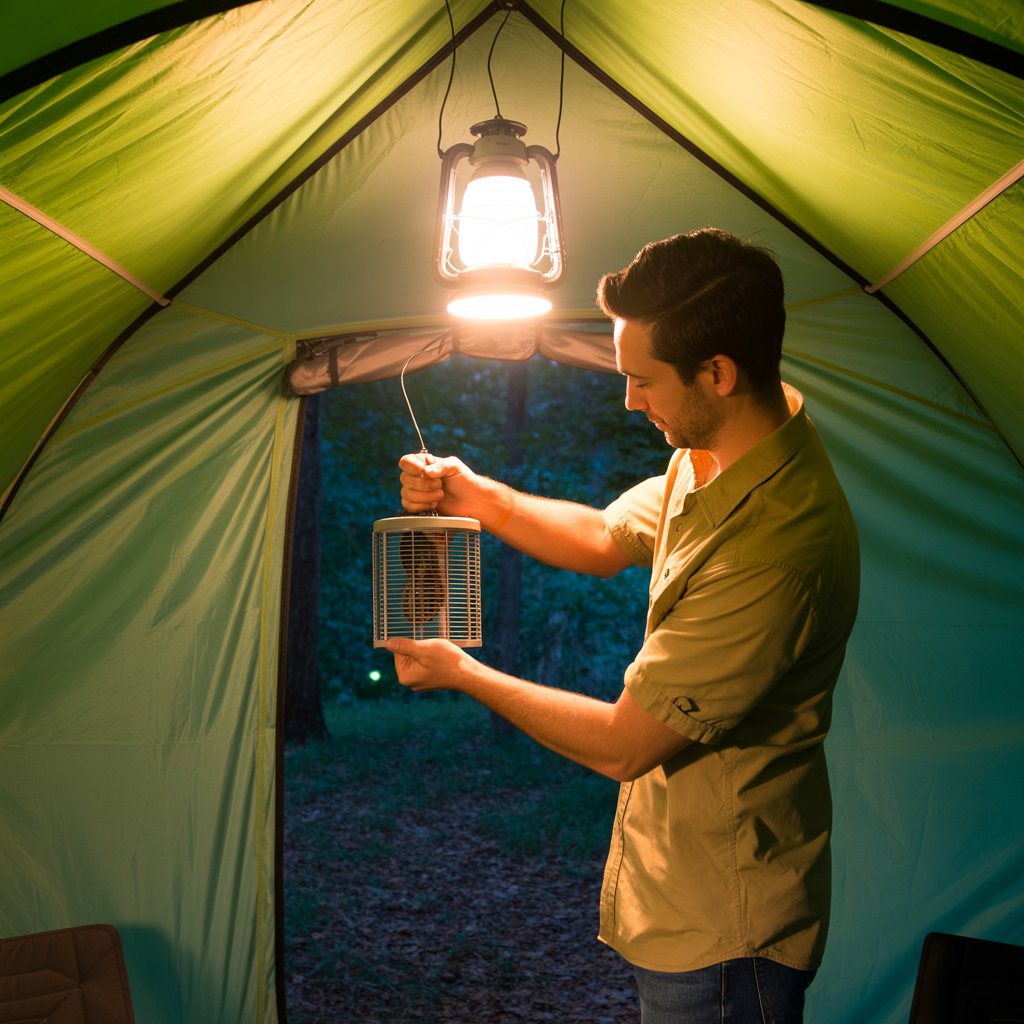
Camping in the great outdoors is an adventure filled with breathtaking views, starry nights, and the soothing sounds of nature. But if you’ve ever tried to enjoy a peaceful evening in your tent, only to be swarmed by pesky mosquitoes and other flying insects, you know how quickly that serene experience can turn into a battle against bugs. Enter the bug zapper—your new best friend in the fight against those irritating intruders. In this guide, we’ll dive into everything you need to know about using a bug zapper in a tent, from choosing the right one to ensuring safe and effective use.
Imagine it: you’ve just settled into your cozy tent after a day of hiking, and the sun sets, bringing with it an army of mosquitoes. These little bloodsuckers can ruin your camping experience faster than you can say “s’mores.” Not only can they be annoying, but they can also carry diseases like West Nile virus and Zika.
A bug zapper is an effective tool that attracts and kills flying insects using UV light and an electrical grid. They are an excellent solution for outdoor enthusiasts who want to enjoy their time in nature without the constant threat of bug bites.
When it comes to bug zappers, not all are created equal. Here are some crucial factors to consider when selecting the best bug zapper for your tent.
Since you’ll be camping, you’ll want a bug zapper that is lightweight and compact. Look for models that are designed for portability and can easily fit in your camping gear.
Bug zappers can be powered by electricity, batteries, or solar energy. For camping, consider:
Check the coverage area of the bug zapper. You want one that can effectively cover the space of your tent and the immediate area outside it.
Ensure that the zapper has safety features, especially if you’re camping with kids or pets. Look for models with protective grilles to prevent accidental contact with the electric grid.
Bug zappers can accumulate dead insects, so choose one that’s easy to disassemble and clean. A removable tray for catching debris will make maintenance a breeze.
Once you’ve chosen the right bug zapper, it’s time to set it up! Here’s how to do it effectively.
The placement of your bug zapper is crucial for its effectiveness. Consider these tips:
Follow the manufacturer’s instructions to set up your zapper. If it’s a battery-operated model, make sure it’s fully charged before your trip.
For best results, turn on your bug zapper at least 30 minutes before dusk. This will give it time to start attracting and zapping insects before they start swarming.
While a bug zapper is excellent for outdoor use, it can also help keep your tent clean and free of bugs. Here’s how to incorporate it into your tent setup:
When using a bug zapper in or near your tent, ensure there’s proper ventilation. This will help dissipate any heat generated by the zapper and minimize odors from dead insects.
To avoid electrical hazards and ensure safety, it’s best to keep the zapper outside, even if you have a tent that allows for some airflow.
Always close your tent doors tightly when using a zapper nearby. This creates a barrier that keeps bugs from entering while the zapper does its job.
Using a bug zapper is a fantastic way to combat insects, but there are other strategies you can employ to enhance your camping experience. Here are some additional tips:
In addition to your zapper, apply a quality insect repellent on exposed skin. Look for products that contain DEET or natural alternatives like lemon eucalyptus oil.
Certain times of the year, especially spring and summer, see a surge in insect populations. If you’re highly sensitive to bugs, consider camping in the fall or early spring.
Keep your campsite clean and free of food scraps. This will minimize the chances of attracting insects to your tent area.
Wearing long sleeves, pants, and socks can help protect you from bites while you enjoy the outdoors.
If possible, use tent screens or netting at the entrance to your tent. This provides an extra layer of protection against bugs.
While bug zappers are generally safe to use, it’s essential to follow some safety precautions to ensure a worry-free camping experience.
Keep your bug zapper away from water sources and wet areas to prevent electric shocks.
If you notice your zapper getting excessively hot, turn it off and allow it to cool down. This is particularly important in a tent environment where heat can build up.
Always supervise children and pets around the bug zapper. Make sure they understand that it’s not a toy.
Each bug zapper comes with specific guidelines. Always read and follow the manufacturer’s instructions for safe use.
Camping should be a time for relaxation and connection with nature, not a struggle against pesky bugs. By incorporating a bug zapper into your camping gear, you can protect yourself from annoying insect bites and enjoy the great outdoors to the fullest. Remember to choose the right zapper, set it up correctly, and follow safety precautions for an enjoyable camping experience. With these tips and tricks, you’ll be well on your way to a bug-free adventure under the stars. So grab your gear, set up your zapper, and get ready to create wonderful memories without the buzzing interruptions! Happy camping!