
Remember to focus on prevention by sealing entry points, controlling humidity, and removing food sources.
December 1, 2025
5 min read time
This information is reviewed by an independent pest control expert.
All external links are non-affiliated and for informational purposes only
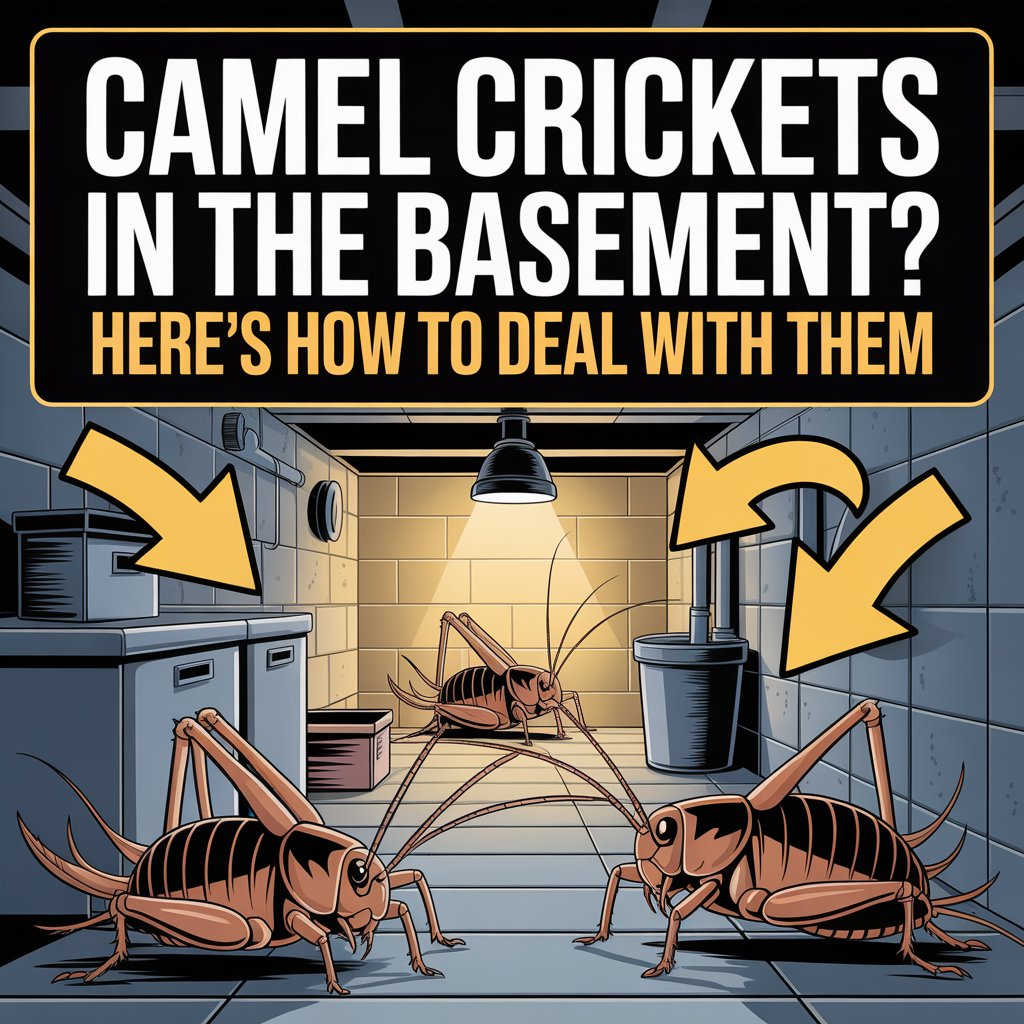
If you’ve ever ventured into your basement only to find strange, jumping creatures lurking in the shadows, you might have encountered camel crickets. These peculiar pests can be quite unsettling to discover, especially if you don’t know much about them. But worry not! In this guide, we’ll delve into the world of camel crickets, exploring their behavior, why they invade our homes, and most importantly, how to deal with them effectively. So, grab a cup of coffee, and let’s hop into the fascinating (and somewhat creepy) realm of camel crickets!
Camel crickets, often mistakenly called “house crickets” or “sprickets,” belong to the family Rhaphidophoridae. Unlike their more famous cousins, the common house cricket, camel crickets are not true crickets. These pests are characterized by their long legs, humpbacked appearance, and a lack of wings. They typically measure between 1 to 2 inches in length, sporting a light brown or tan color.
Camel crickets prefer dark, damp environments, making basements and crawl spaces their ideal homes. They thrive in areas with high humidity and are often found in places like:
While they can be found outdoors, they often seek refuge indoors during colder months, leading to unwanted encounters in our homes.
Camel crickets are primarily nocturnal, meaning they are most active at night. They’re drawn to basements for several reasons:
Knowing what camel crickets look like is crucial in identifying them. Here are some key features:
Camel crickets are known for their erratic jumping, which can be startling if you stumble upon them unexpectedly. Unlike other crickets, they do not chirp, which makes them less noticeable during the day but can make nighttime encounters quite alarming.
The best way to deal with camel crickets is to prevent them from entering your home in the first place. Here are some effective prevention strategies:
Inspect your basement for cracks, gaps, or holes that could serve as entry points for camel crickets. Use caulk or sealant to close these openings, particularly around:
Since camel crickets thrive in moist environments, controlling humidity in your basement is crucial. Consider the following:
To deter camel crickets, eliminate potential food sources in your basement:
If camel crickets have already invaded your basement, here are some effective removal techniques:
Setting up traps can help you catch and remove camel crickets:
Several natural repellents can help keep camel crickets at bay:
If other methods fail, you may consider using pesticides. However, use them sparingly and follow the instructions carefully. Look for products specifically designed for crickets and apply them in accordance with safety guidelines.
If you’ve tried various methods and the camel crickets persist, it may be time to call in a pest control professional. They can assess the situation, provide targeted treatments, and help you identify any underlying issues contributing to the infestation.
Encountering camel crickets in your basement can be unnerving, but armed with the right knowledge and strategies, you can effectively manage and prevent these pests. Remember to focus on prevention by sealing entry points, controlling humidity, and removing food sources. If camel crickets do make an appearance, utilize traps, natural deterrents, or pesticides as necessary.
By understanding the behaviors and habits of camel crickets, you can reclaim your basement and ensure it remains a safe and welcoming space. So, the next time you venture down into those shadowy depths, you can do so with confidence, knowing you’re equipped to handle any unexpected visitors. Happy pest-proofing!