
Explore the safety of bug zappers and learn how to prevent fire risks. Get expert tips and make informed decisions for safe, effective pest control.
April 15, 2025
5 min read time
This information is reviewed by an independent pest control expert.
All external links are non-affiliated and for informational purposes only
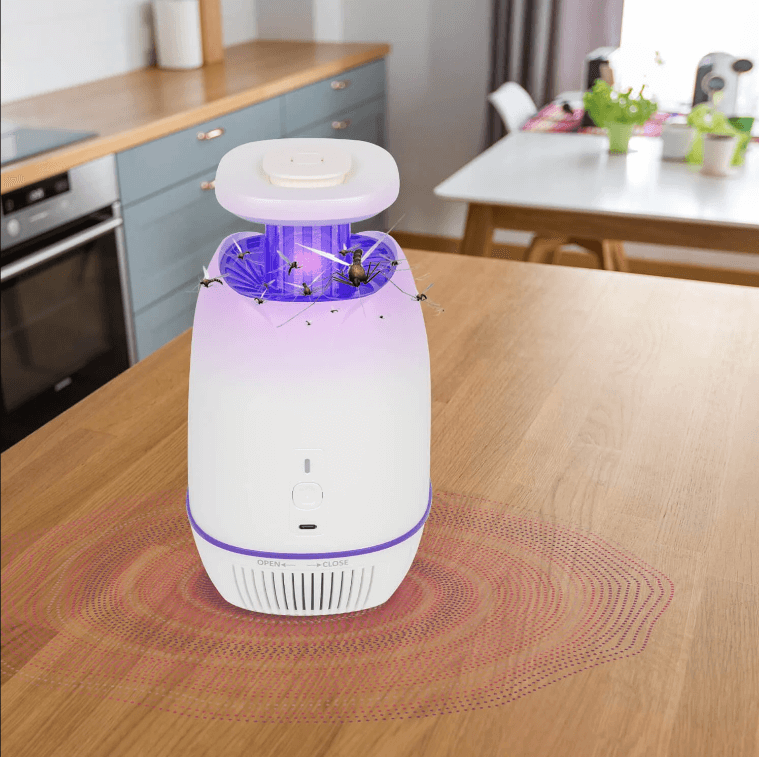
When the summer evenings roll in, buzzing with life and warmth, many of us seek refuge from pesky insects. Enter the bug zapper: a flashy device that promises to rid our patios and backyards of unwanted guests. But as you sip your lemonade and enjoy the twilight, a question might creep into your mind: Can a bug zapper cause a fire?
This article dives into the myths and facts surrounding bug zappers, exploring their safety, functionality, and the potential risks involved. So, grab a comfy seat, and let’s illuminate the truth about these buzzing bug-busters!
A bug zapper is a device designed to attract and kill insects, primarily flying pests like mosquitoes and flies. It typically uses ultraviolet (UV) light to lure insects in, which then meet their demise when they come into contact with a charged electric grid.
The short answer is: Yes, but it’s rare. Most bug zappers are designed with safety in mind and include features to minimize the risk of fire. However, like any electrical device, there are cautionary tales and guidelines to consider.
According to the U.S. Consumer Product Safety Commission (CPSC), faulty electrical devices contribute to thousands of fires every year. While bug zappers are not a primary cause, it’s essential to approach any electrical device with caution.
Fact: While there is a potential risk, bug zappers are not inherently dangerous. When used according to the manufacturer’s instructions and placed safely away from flammable materials, they pose minimal risk.
Fact: Bug zappers are designed to attract insects, but they don’t necessarily attract more than other light sources. In fact, many studies suggest that the effectiveness of bug zappers is limited compared to other methods, such as repellent sprays.
Fact: Most bug zappers are considered environmentally friendly. They target specific insects and don’t release harmful chemicals into the atmosphere. However, it’s crucial to dispose of dead insects properly to avoid ecological imbalance.
Always read and adhere to the user manual. Manufacturers often provide specific instructions on safe usage, maintenance, and placement.
If you’re still concerned about the risks associated with bug zappers, consider these alternative methods for insect control:
If you have a significant pest problem, consider consulting a pest control service. They can provide targeted solutions tailored to your needs.
Learn all about Bug Zappers
Deep dive this topic with hand-picked articles just for you
In conclusion, while bug zappers can pose a potential fire risk, the overall threat is minimal when proper precautions are taken. By selecting a quality product, placing it wisely, maintaining it regularly, and following safety guidelines, you can enjoy your pest-free evenings without worry.
Remember, like any electrical device, common sense is your best friend. Keep your zapper clean, away from flammable materials, and always read the instructions. With these simple steps, you can safely enjoy your outdoor space, free from buzzing intruders.
Armed with this knowledge, you can confidently decide whether a bug zapper is the right choice for your home. Happy bug zapping, and may your summer nights be peaceful and pest-free!
19 more replies


Can a Bug Zapper Cause a Fire?
I’ve been using bug zappers for years, and I’ve never seen anything like that. But I suppose if it’s faulty or got hit by water, it could potentially short circuit and cause a fire.
Exactly, most modern bug zappers have safety features to prevent fires, but older or damaged ones could be a risk if not properly maintained.
@purrfect_home good point. I think it’s worth checking your bug zapper regularly for frayed wires or any damage, especially if it’s an older model.
Agreed, @SkepticalSue Also, placing it away from flammable materials like dry leaves or wooden structures could reduce any potential risk.
I’ve read somewhere that bug zappers can indeed cause fires, especially if insects accumulate inside and it gets overheated.
That sounds scary! Do you think it happens often? Or is it a rare occurrence?
@EarthFriendlyTom from what I understand, it’s pretty rare but not impossible. Manufacturers generally build in safeguards to prevent this.
I think it’s always good practice to follow the safety guidelines provided by the manufacturer. Keeping the zapper clean and dry can significantly reduce any risks.
I’ve used a bug zapper for years, and while I haven’t had any fire issues, I make sure to keep it away from flammable materials just in case.