
There’s no exact number of times you can reuse a mousetrap. You simply need to reuse the mouse trap whenever it’s free.
April 14, 2025
6 min read time
This information is reviewed by an independent pest control expert.
All external links are non-affiliated and for informational purposes only

Ah, the dreaded mouse invasion. Whether you’re living in a cozy apartment or a spacious home, the presence of mice can send shivers down your spine. Those little critters may seem harmless, but they can wreak havoc on your peace of mind (and your pantry). When it comes to dealing with these uninvited guests, one question often arises: Can mouse traps be reused? In this comprehensive guide, we’ll explore the ins and outs of mouse traps, their reusability, and best practices for keeping your home mouse-free.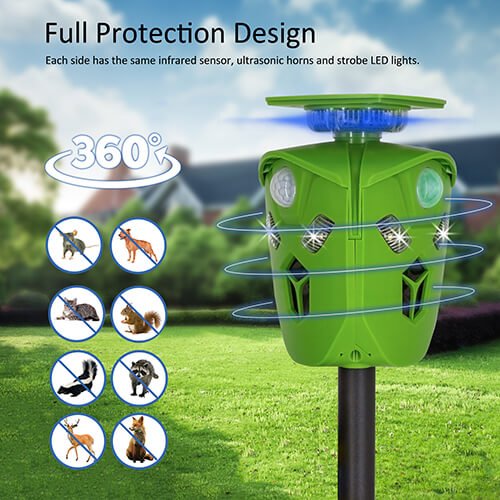
Before diving into the specifics of reusing mouse traps, it’s essential to understand the different types of mouse traps available. There are several varieties, each designed to capture or kill mice in unique ways. Here’s a closer look:
Selecting the right trap is crucial for effective rodent control. Factors to consider include:
Now that we’ve established the different types of traps, let’s address the burning question: Can mouse traps be reused? The answer varies based on the type of trap and how you handle the cleanup process.
Snap traps can often be reused if properly cleaned after each use. Here’s how to do it:
Glue traps are generally not designed for reuse. Here’s why:
Electric traps can be reused, but they require proper maintenance:
 Live Catch Traps: Gentle and Reusable
Live catch traps are designed for reuse, and they can be a humane option for those looking to relocate mice:
Homemade traps can be reused depending on their design. For instance, a bucket trap can be reset multiple times, but be sure to clean it after each use.
To maximize the effectiveness of your mouse traps, consider the following best practices:
Place traps in areas where you’ve seen signs of mouse activity, such as droppings or gnaw marks. Ideal spots include:
Different types of bait can attract mice more effectively. Some popular options include:
Too much bait can deter mice from entering the trap. Use a small amount to entice them.
Check your traps daily to ensure they are functioning and to remove any captured mice. This helps maintain cleanliness and prevents odors.
For snap and glue traps, dispose of captured mice in a sealed bag in the trash. If using live traps, release the mice far from your home.
If traps aren’t effectively reducing your mouse population, consider other methods such as:
In summary, mouse traps can be reused, but it depends on the type of trap you’re using. Snap traps and electric traps can be cleaned and reset, while glue traps and certain homemade options may not be suitable for reuse.
When dealing with a mouse problem, it’s essential to choose the right trap and follow best practices for effective rodent control. By maintaining cleanliness and being strategic about trap placement, you can ensure your home remains a mouse-free sanctuary.
Remember, prevention is just as important as elimination. Stay vigilant, seal those entry points, and take action at the first signs of trouble. With a little effort, you can keep those pesky mice at bay! Happy trapping!