
Dive into the bug zapper dilemma: do they attract fruit flies? Uncover the science and holistic strategies for a pest-free haven. Buzz-worthy insights await!
April 16, 2025
6 min read time
This information is reviewed by an independent pest control expert.
All external links are non-affiliated and for informational purposes only
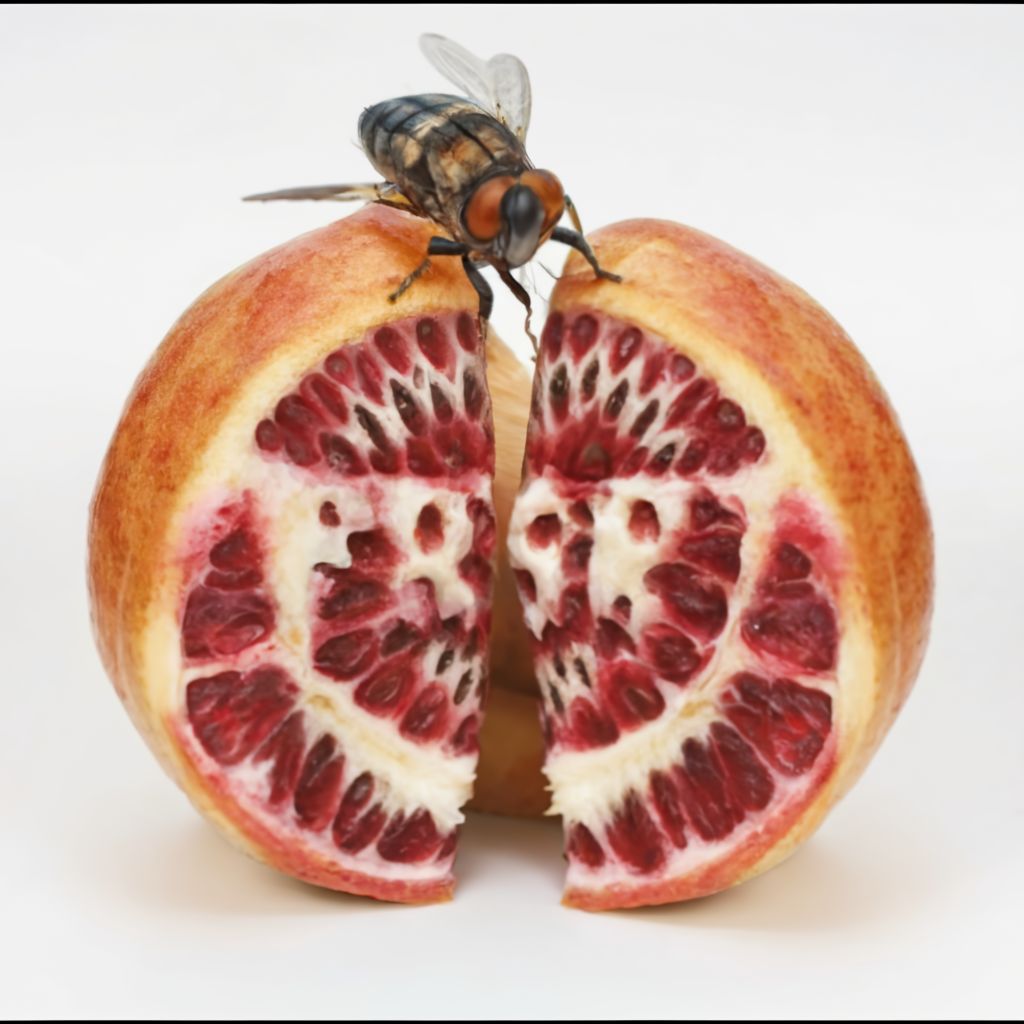
As summer arrives, so does the buzzing chorus of insects. If you’ve ever found yourself swatting at pesky fruit flies while trying to enjoy a warm evening on your porch, you might have considered investing in a bug zapper. But do these devices really work against these tiny nuisances? Or do they attract even more unwanted guests? In this article, we’ll dive deep into the world of bug zappers, their effectiveness against fruit flies, and what you can do to keep your space free of these annoying pests.
Fruit flies, scientifically known as Drosophila melanogaster, are small flying insects that are often found around overripe or rotting fruit. They are typically about 1/8 inch long, with a tan body and distinctive red eyes. These little critters are not just a nuisance; they can also spoil your food and spread bacteria.
Fruit flies are attracted to fermenting fruits and vegetables because they lay their eggs on the surface of these items. The warm weather and the presence of ripe produce make your kitchen a prime target for these pests, especially during the summer months.
Bug zappers are devices designed to attract and kill flying insects using ultraviolet (UV) light and an electric grid. The UV light mimics the natural light that many insects are drawn to, while the electric grid delivers a zap that kills them on contact. While they are popular for controlling mosquitoes and other flying insects, their effectiveness varies between different pest species.
While bug zappers are effective for certain pests, their effectiveness against fruit flies is limited. Fruit flies are primarily attracted to the smell of fermenting fruits rather than UV light. Studies have shown that while bug zappers tend to attract mosquitoes and moths, they are not particularly effective at luring fruit flies.
Fruit flies are less sensitive to UV light compared to other insects. They are more attracted to the smell of overripe fruit and other organic matter. Therefore, while a bug zapper may catch a few stragglers, it’s unlikely to make a substantial dent in a fruit fly population.
If bug zappers aren’t the solution for your fruit fly problem, there are several alternative strategies you can employ:
Creating homemade traps can be an effective way to catch fruit flies. Here’s a simple method:
If the problem persists, consider using commercial fruit fly traps available at most gardening or home improvement stores. These traps often use pheromones to attract and catch fruit flies effectively.
Certain essential oils are known to repel fruit flies. Oils like eucalyptus, peppermint, or lemongrass can be used to create a natural repellent. Mix a few drops with water in a spray bottle and apply it around your kitchen.
While bug zappers offer a chemical-free solution to certain pest problems, their environmental impact can be mixed. By attracting and killing beneficial insects, they can unintentionally disrupt local ecosystems. Additionally, the electric grid poses a risk to non-target insects, including bees and butterflies, which are crucial for pollination.
If you’re concerned about the environmental impact of bug zappers, consider these eco-friendly alternatives:
In conclusion, bug zappers do not effectively attract fruit flies. While they can help control other flying insects, fruit flies are more drawn to the scent of fermenting fruit than to UV light. To combat these pesky invaders, focus on preventive measures, homemade traps, and natural repellents. By understanding the habits of fruit flies and the limitations of bug zappers, you can take informed steps to keep your home free of these unwelcome guests.
By following these guidelines, you can enjoy your summer evenings without the annoyance of fruit flies buzzing around. Happy pest-free living!
14 more replies


I read somewhere that bug zappers are not effective for fruit flies. Anyone know if this is true?
Yes, that’s generally correct. Bug zappers mainly attract insects that are drawn to UV light, like mosquitoes. Fruit flies are more attracted to decaying fruit and sugary substances.
Right, and even if fruit flies are around a bug zapper, they’re not usually the ones that get caught. The UV light isn’t what they are after.
I’ve noticed fruit flies around my zapper but not getting zapped. They seemed more interested in the fruit bowl nearby.
I’ve had some luck with bug zappers, but it’s really rare and inconsistent. The main issue is that fruit flies are attracted to the fermenting fruits rather than the light.
Absolutely, fermenting surfaces are their call. Ever tried apple cider vinegar traps instead? Way more effective for fruit flies.
Can anyone recommend a good alternative to bug zappers for fruit flies?
Homemade traps work wonders! A mix of apple cider vinegar and dish soap can attract and trap fruit flies effectively.
I’ve tried the vinegar solution with great success. It’s cheap and easy.
Agreed, and another method is using red wine. Fruit flies are attracted to the scent of fermentation.