
Wasps have positive phototaxis and will be attracted to the UV light in bug zappers. Unfortunately, they get electrocuted once they are drawn to the UV lights.
April 15, 2025
5 min read time
This information is reviewed by an independent pest control expert.
All external links are non-affiliated and for informational purposes only
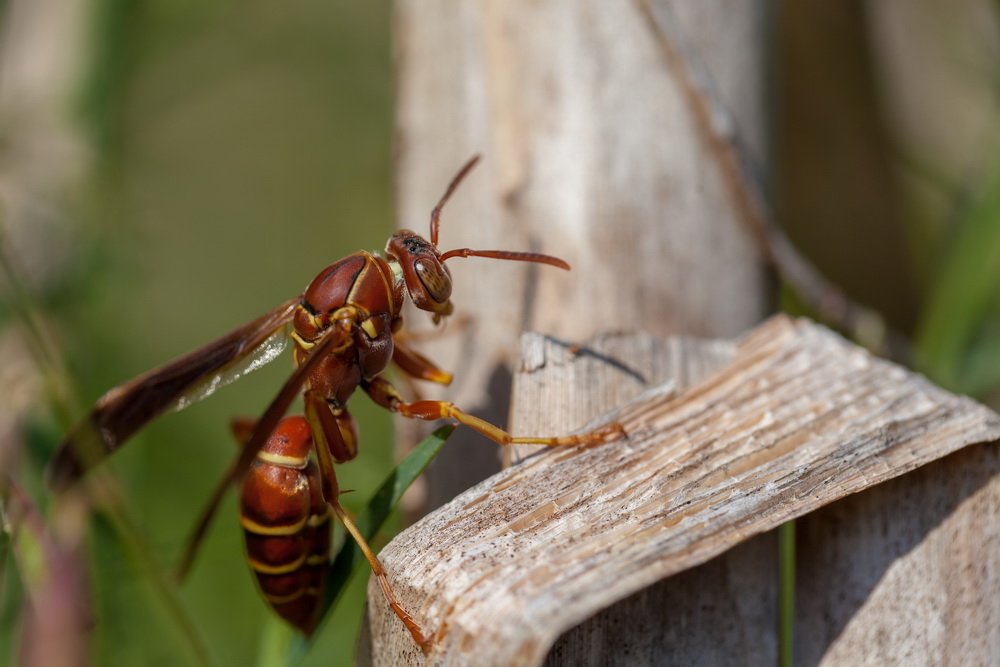
When the summer sun shines and the backyard barbecues begin, the last thing anyone wants is an uninvited swarm of wasps crashing the party. Enter bug zappers: those buzzing, glowing devices that promise to eliminate pesky insects with a zap. But do these devices actually attract wasps, or are they simply a myth? Today, we’re diving deep into the world of bug zappers, exploring how they work, what attracts them, and whether you should consider one for your outdoor space.
Bug zappers, also known as electric insect killers, are devices designed to attract, trap, and kill flying insects. They typically consist of a high-voltage electric grid housed within a light-illuminated enclosure. The light attracts insects, and upon contact with the grid, they receive a fatal electric shock.
Most bug zappers use ultraviolet (UV) light to lure insects. The UV light simulates the natural light sources insects are drawn to, such as the moon or sunlight. When insects approach the light, they come into contact with the electrified grid, causing them to be zapped. Some models also emit carbon dioxide, which mimics the breath of humans and animals, further attracting pests.
Wasps are primarily attracted to food sources, particularly sugary substances and protein. During the late summer and early fall, wasps become more aggressive as they search for food to sustain their colonies through the colder months. Common attractants include:
The short answer is yes, but it’s not as straightforward as it seems. Bug zappers primarily attract certain types of insects, such as moths and flies. Wasps are less likely to be drawn in by the light of a bug zapper compared to their attraction to food sources.
However, when food sources are limited, or if a zapper is placed close to a picnic or barbecue, it may inadvertently attract wasps seeking alternative food sources that are near the zapper.
While wasps may not be the primary target, bug zappers do catch a variety of other insects, including:
This means that if a zapper is running, it may reduce the population of some insects, but it won’t necessarily keep wasps away.
Insects, including wasps, have specific light color preferences. Most flying insects are attracted to ultraviolet light, which is invisible to the human eye but easily detectable by insects. This quality makes UV light an effective lure in bug zappers.
In addition to light, carbon dioxide (CO2) and heat are significant attractants for many insects. Certain bug zappers incorporate CO2 emitters to mimic the breathing of warm-blooded animals, making them more enticing to wasps and other pests. The combination of these elements can lead to increased insect attraction.
While bug zappers can reduce the number of certain flying insects, their effectiveness against wasps is still debated. Studies suggest that they do not significantly decrease wasp populations. Instead, they may primarily kill non-threatening insects, which can disrupt the natural ecosystem.
If you’re specifically looking to keep wasps away, consider these alternatives:
To enjoy your outdoor space without the hassle of wasps, follow these tips:
If you decide to use a bug zapper, consider the following placement tips:
So, do bug zappers attract wasps? While they can attract some wasps under certain conditions, they are not the most effective solution for controlling wasp populations. Rather than relying solely on bug zappers, consider employing a combination of prevention strategies and alternative traps to keep wasps at bay.
Remember, the goal is to enjoy the great outdoors without unwelcome guests. By understanding the behavior of wasps and the limitations of bug zappers, you can create a more pleasant and pest-free environment for your summer gatherings. Happy bug-free barbecuing!
31 more replies


Can bug zappers be used to control wasp populations?
While bug zappers may kill some wasps, they are generally not the most effective means of controlling wasp populations. Wasps are more attracted to proteins and sweets rather than light, so bait traps might be more effective.
Are there any risks associated with using bug zappers to attract wasps?
Using bug zappers could potentially attract more wasps to the area, which could increase the risk of stings. Additionally, the indiscriminate nature of bug zappers means they can also kill beneficial insects.
How can I safely remove a wasp nest?
Removing a wasp nest can be dangerous and is often best left to professionals. However, if you choose to do it yourself, it’s essential to wear protective clothing, plan an escape route, and, if possible, remove the nest at night when wasps are less active.
What are some alternative methods to bug zappers for dealing with wasps?
Alternatives include using wasp-specific traps, applying essential oils that repel wasps, setting up decoy nests, or using natural predators to control wasp populations.
What maintenance does a bug zapper require?
Periodic cleaning of the dead insects from the electric grid and tray is necessary for optimal performance. Additionally, the bulbs may need to be replaced periodically according to the manufacturer’s recommendations.