
Although this issue has caused a lot of controversy in recent times, bug zappers do kill mosquitoes.
April 14, 2025
5 min read time
This information is reviewed by an independent pest control expert.
All external links are non-affiliated and for informational purposes only
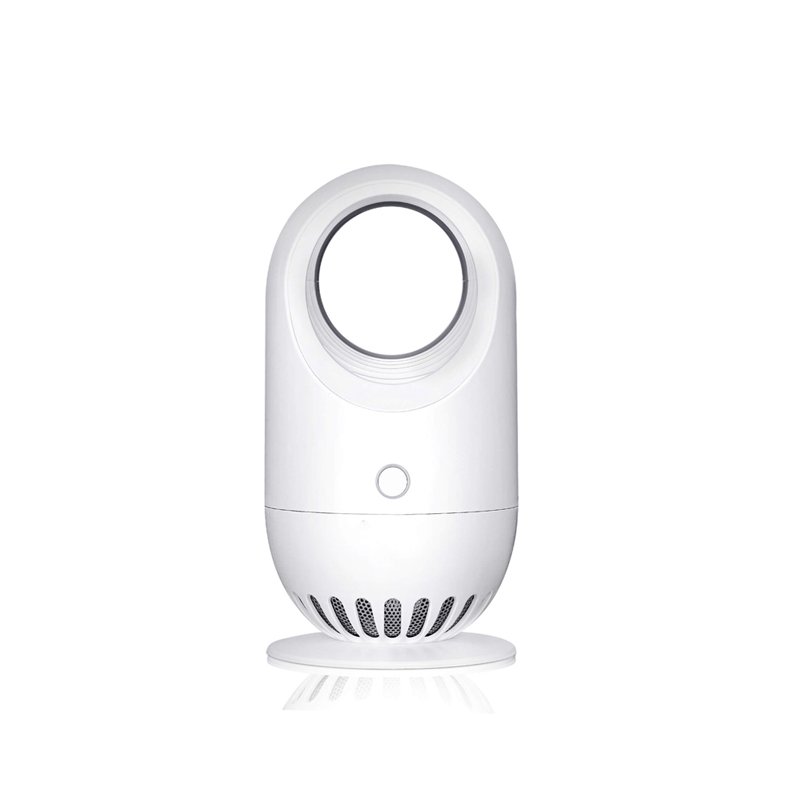
As summer rolls around, our outdoor plans often come with a pesky companion: mosquitoes. These tiny bloodsuckers can ruin a perfect evening barbecue or a peaceful night under the stars. To combat these nuisances, many people turn to bug zappers, those buzzing blue lights that promise to zap away your insect troubles. But do they really work, especially against mosquitoes? In this article, we’ll delve into the science behind bug zappers, their effectiveness against mosquitoes, and some alternative methods for pest control.
Bug zappers, also known as electric insect killers, are devices that attract insects using light and then kill them upon contact with an electrified grid. They have become a staple in many backyards, campgrounds, and outdoor events, often seen glowing in the night. But how do they truly function, and what bugs do they really target?
While bug zappers are designed to attract various flying insects, they are particularly effective at luring specific types:
However, when it comes to mosquitoes, the effectiveness of bug zappers is a subject of debate.
Many people believe that bug zappers are effective against mosquitoes due to their bright lights and buzzing sounds. However, research suggests that bug zappers are not particularly effective at killing mosquitoes. In fact, studies show that mosquitoes are not significantly attracted to the UV light that zappers emit.
While bug zappers may kill a few mosquitoes, they often kill more beneficial insects, such as bees and butterflies, which are crucial for pollination. This imbalance can lead to a decline in local biodiversity, further complicating the ecosystem.
So, if bug zappers aren’t the silver bullet for mosquito control, what are some effective alternatives? Here are several strategies you can consider:
Unlike bug zappers, mosquito traps are designed to specifically lure and capture mosquitoes using carbon dioxide, heat, and other attractants. Some popular types include:
Utilizing natural repellents can help keep mosquitoes at bay without harming beneficial insects:
Sometimes, the best defense is a strong offense. Consider these physical barriers to keep mosquitoes away:
Since mosquitoes breed in standing water, eliminating potential breeding sites is crucial:
If mosquitoes are a persistent problem in your area, consider consulting a pest control professional. They can provide targeted treatments and advice tailored to your specific needs.
To help you decide whether bug zappers are worth the investment, here’s a quick rundown of the pros and cons:
Learn all about Bug zapper
Deep dive this topic with hand-picked articles just for you
In the battle against mosquitoes, bug zappers may seem like a tempting solution, but the science suggests they are not the most effective method for controlling these pests. While they can help reduce some flying insects, they often attract and kill non-target species that are beneficial to our environment.
Instead, consider integrating a combination of alternative methods, including mosquito traps, natural repellents, and good outdoor management practices to create a mosquito-free haven. After all, enjoying the great outdoors should come without the constant swatting and scratching!
In summary, while bug zappers can zap a few bugs, they are not the answer to your mosquito problems. Explore other options to keep those little bloodsuckers at bay and reclaim your summer evenings!
Latest Comments Click to leave a comment