
The nature of bees makes it difficult for bug zappers to be effective on them. Bees are not nocturnal animals- they are inactive at night.
April 15, 2025
5 min read time
This information is reviewed by an independent pest control expert.
All external links are non-affiliated and for informational purposes only
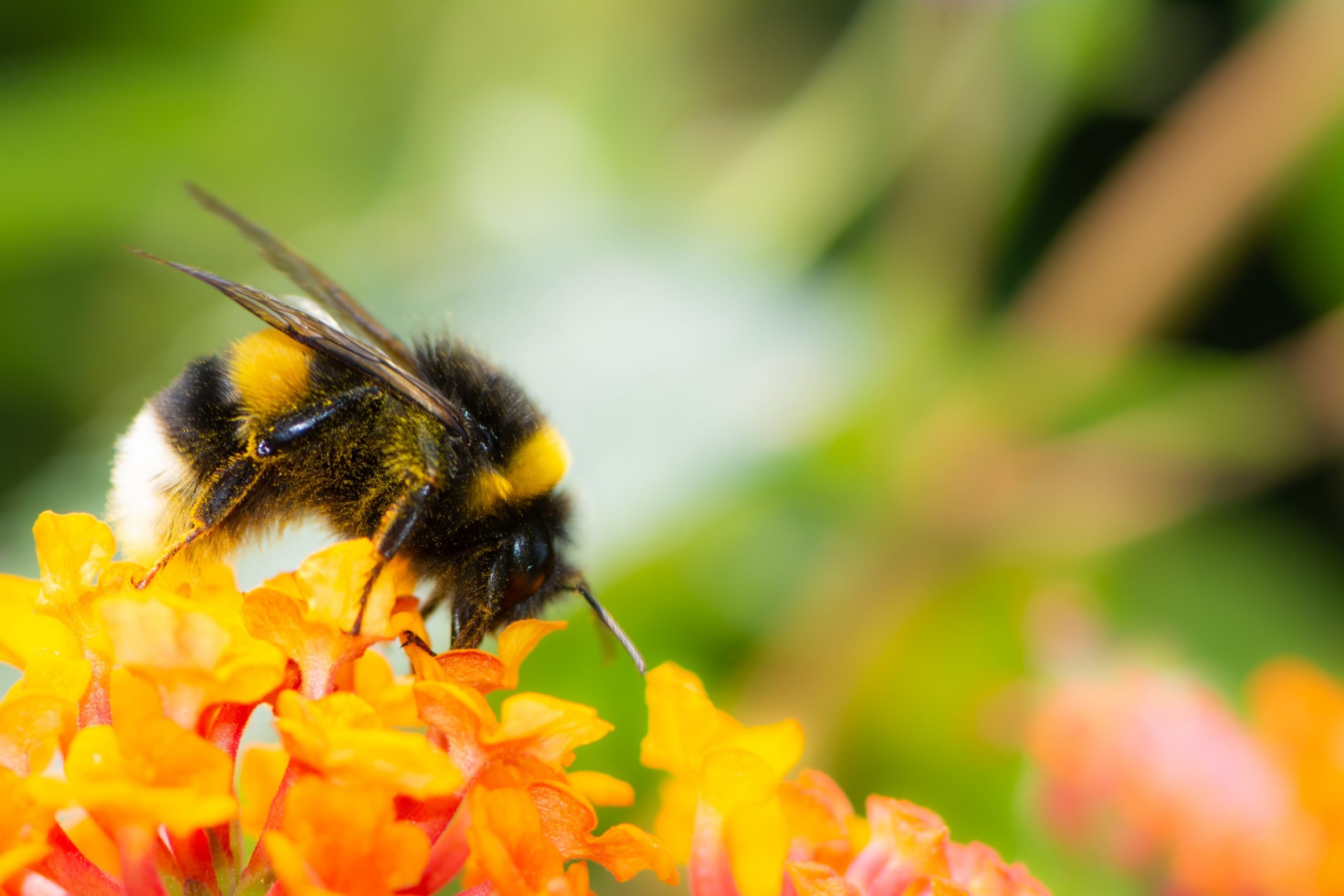
As the sun sets on a warm summer evening, you might find yourself outdoors, enjoying the gentle breeze and the sounds of nature. But just as the atmosphere becomes more inviting, so does the presence of pesky insects. Enter the bug zapper—a popular tool for many homeowners looking to rid their spaces of unwanted pests. However, amidst the discussions about its effectiveness, one question often arises: Do bug zappers work on bees? In this article, we’ll dive deep into this topic, exploring the effectiveness of bug zappers, the biology of bees, and the implications for our ecosystem.
Bug zappers are electronic devices designed to attract and kill flying insects. They typically consist of a light source, usually a UV bulb, that attracts bugs, and a high-voltage grid that zaps them upon contact. While they may seem like a simple solution to insect problems, there’s much more to these devices.
The primary mechanism of a bug zapper is its ability to attract insects using light. Here’s a breakdown of how they function:
Bug zappers are effective at attracting a variety of flying insects, including:
However, the effectiveness of bug zappers varies depending on the insect species and the conditions in which they are used.
Before we can answer the question of whether bug zappers work on bees, it’s important to understand a bit about bee biology:
While bees have a unique visual spectrum that allows them to see colors that humans cannot, they are not attracted to the UV lights of bug zappers like other insects. Instead, their attraction lies in the natural environment. Thus, the answer is no; bug zappers do not effectively attract bees.
Though bees are not specifically attracted to bug zappers, they can still end up near these devices. If a bee does come into contact with a bug zapper:
Bees are vital to our ecosystems and agriculture. Here’s why:
The decline in bee populations can lead to:
If you’re looking to manage insect populations without harming bees and other beneficial insects, consider these alternatives:
Integrated Pest Management (IPM) is a holistic approach to managing pests that focuses on the following:
In summary, bug zappers do not effectively target bees, as these vital pollinators are not attracted to the light emitted by these devices. However, the accidental killing of bees and other beneficial insects can have serious ecological consequences.
Considering the importance of bees to our food supply and ecosystems, it’s crucial to adopt more thoughtful pest control strategies. By embracing natural solutions and integrated pest management, we can protect bees and other beneficial insects while still managing pest populations effectively.
So, as you enjoy those warm summer evenings, think twice before reaching for that bug zapper. Instead, consider creating an inviting environment that supports the delicate balance of nature. After all, every little buzz counts!
10 more replies


Has anyone had any experience with using bug zappers in their garden? Do they work on bees, or just mosquitoes and such?
I don’t think it’s a good idea to use bug zappers if you have bees around. They’re indiscriminate and can harm beneficial insects along with the pests.
I’ve heard mixed things, but aren’t bees not attracted to the light like other insects?
Hello, Bees are more into scents and colors than bright lights. But bright lights are also very attractive to bees.
Can anyone tell me if bug zappers are an environmental no-go? I want to be conscious about all the backyard creatures, not just bees!
I’ve used one in the past, but stopped for this reason. I didn’t want to harm the local ecosystem. Going the natural route for pest control now!
Don’t worry, a good bug zapper is environmentally friendly. It has little impact on the surrounding ecology