
Explore the effectiveness of bug zappers on wasps with our in-depth analysis. Learn about wasp behavior, alternative control methods, and best practices for a wasp-free environment.
April 16, 2025
5 min read time
This information is reviewed by an independent pest control expert.
All external links are non-affiliated and for informational purposes only
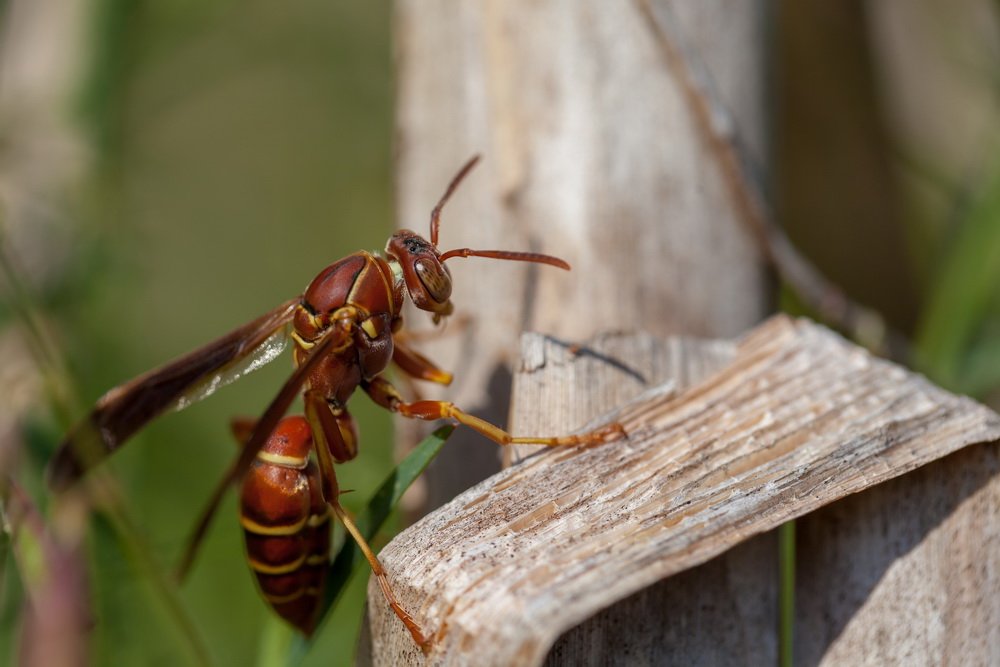
Ah, summer! The season for barbecues, picnics, and outdoor fun. But what’s that buzzing sound? Enter the notorious wasp, often crashing the party and leaving everyone on edge. With their aggressive behavior and painful stings, it’s no wonder many people turn to bug zappers in hopes of keeping these pests at bay. But do these devices really work on wasps? Let’s dive into the world of bug zappers and uncover the truth!
Bug zappers, also known as electric insect killers, are devices designed to attract and eliminate flying insects. They typically operate using a combination of light and an electric grid. Here’s how they work:
While bug zappers can be effective against various flying insects, they are most commonly used for:
However, the question remains: Do bug zappers work on wasps?
Wasps are not primarily attracted to UV light like many other insects. Instead, they are drawn to:
Because bug zappers use light as their primary lure, they are less effective against wasps compared to other insect varieties that are naturally drawn to UV light.
While the electric grid can kill wasps that do happen to venture close enough, their behavior is often different from that of mosquitoes or flies. Wasps tend to be more cautious and may not fly directly into the zapper. This means that even if they are in the vicinity, they might not be directly affected by the device.
Traditional bug zappers are the most common type, utilizing UV light and electric grids. As discussed, while they may kill wasps that wander too close, they are not specifically designed for them and are not the most effective solution.
These devices use propane to create carbon dioxide, which mimics the breath of potential prey. This can attract a wider variety of insects, including wasps. However, while they may attract wasps more effectively than traditional zappers, they still do not guarantee elimination.
Some bug zappers use chemicals to lure insects, which can sometimes be more effective against wasps. These zappers may use bait that mimics the scent of food or pheromones to draw them in. However, the use of chemicals can raise concerns about safety, especially in family-friendly outdoor spaces.
If bug zappers are not the best option for dealing with wasps, what can you do? Here are some effective alternatives:
Several natural substances can deter wasps without the use of harmful chemicals:
If wasps are a persistent problem, consider calling in professional pest control. They can identify nests and safely remove them, reducing the risk of stings and infestations.
Learn all about Bug Zappers
Deep dive this topic with hand-picked articles just for you
One of the easiest ways to avoid attracting wasps is to keep food and drinks covered. Use lids, containers, or even aluminum foil to shield your picnic spread from these pests.
After eating outdoors, make sure to clean up spills and dispose of food waste promptly. This reduces the likelihood of attracting wasps looking for a meal.
Inspect your home for potential nesting sites, such as gaps in eaves, cracks in the walls, or other openings. Sealing these areas can help prevent wasps from making your home their territory.
In summary, while bug zappers can be effective for many flying insects, they are not the best solution for wasps. Their attraction to light is minimal compared to their love for food sources. If you’re looking to manage wasps effectively, consider using traps specifically designed for them, opting for natural repellents, or reaching out to pest control professionals.
Remember, wasps play a role in our ecosystem, helping to control pests and pollinate plants. So, while it’s important to manage them, it’s equally essential to do so safely and responsibly. Armed with this knowledge, you can enjoy your outdoor activities without the worry of an uninvited wasp invasion! Happy summering!
Latest Comments Click to leave a comment