
Uncover if cat scarers really work. From ultrasonic devices to motion-activated sprinklers, learn the best ways to keep cats out of your garden safely.
July 30, 2024
5 min read time
This information is reviewed by an independent pest control expert.
All external links are non-affiliated and for informational purposes only
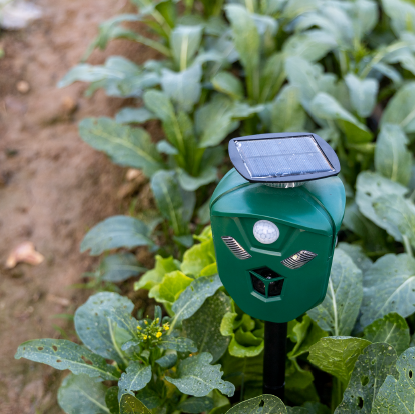
Curious about cat scarers and whether they can actually keep your garden cat-free?
If you’re tired of finding felines lounging around in your flower beds or leaving unpleasant surprises on your lawn, you’re not alone.
Many homeowners are on the hunt for effective ways to deter cats from their yards.
One popular solution is cat scarers, but do they really work?
Let’s explore.
Cat scarers come in various forms and use different methods to deter cats:
Each type has its own strengths and weaknesses, depending on your specific situation.
Ultrasonic cat scarers emit high-frequency sound waves that are inaudible to humans but highly uncomfortable for cats.
When a cat enters a certain area, the device triggers and emits the sound, encouraging the cat to flee.
Pros:
Cons:
While some users swear by these devices, the outcome can be hit or miss.
Factors such as the placement of the device, the type of ultrasonic frequency used, and the persistence of local cats all play a role.
For optimal results, place the device strategically where cats commonly enter your garden.
Motion-activated sprinklers are exactly what they sound like: sprinklers triggered by motion sensors.
When a cat wanders into your yard, it gets sprayed with water, which is usually enough to scare it away.
Pros:
Cons:
Generally, these devices are more effective than ultrasonic scarers due to the immediate physical response they cause.
Cats are unlikely to stick around when confronted by a sudden burst of water.
Scent-based repellents come in various forms—granules, sprays, or plant-based.
They harness odors that cats naturally avoid, like citrus, vinegar, or certain herbs.
Pros:
Cons:
Scent-based repellents can be quite effective but require diligence in application.
They are best used in conjunction with other methods like physical barriers or ultrasonic devices for a holistic approach.
Physical barriers like spikes, netting, or fences prevent cats from accessing certain areas physically.
Pros:
Cons:
While physical barriers are perhaps the most foolproof method, they also require the most effort and investment.
However, once installed, they offer a lasting solution that doesn’t need constant attention.
Laser and light devices use sudden flashes or moving beams of light to startle and deter cats.
These devices are usually motion-activated and serve to scare cats away by creating a sudden visual disturbance.
Pros:
Cons:
These devices can be a good supplementary measure, particularly when combined with other deterrents.
If the cats get used to the lights, their effectiveness can diminish.
One single method might not be enough to completely deter cats from your garden. Here are some combination strategies to consider:
The effectiveness of cat scarers largely depends on the method used, how it’s implemented, and the behavior of the local cat population.
While no single strategy guarantees 100% success, combining multiple methods can significantly increase your chances of keeping your garden feline-free. Keep in mind factors like ongoing maintenance, cost, and the specific needs of your environment when choosing the right cat scarer for you.
Latest Comments Click to leave a comment