
flea traps can be an effective tool in combating flea infestations in garages and basements, but they are not a standalone solution.
July 8, 2025
6 min read time
This information is reviewed by an independent pest control expert.
All external links are non-affiliated and for informational purposes only
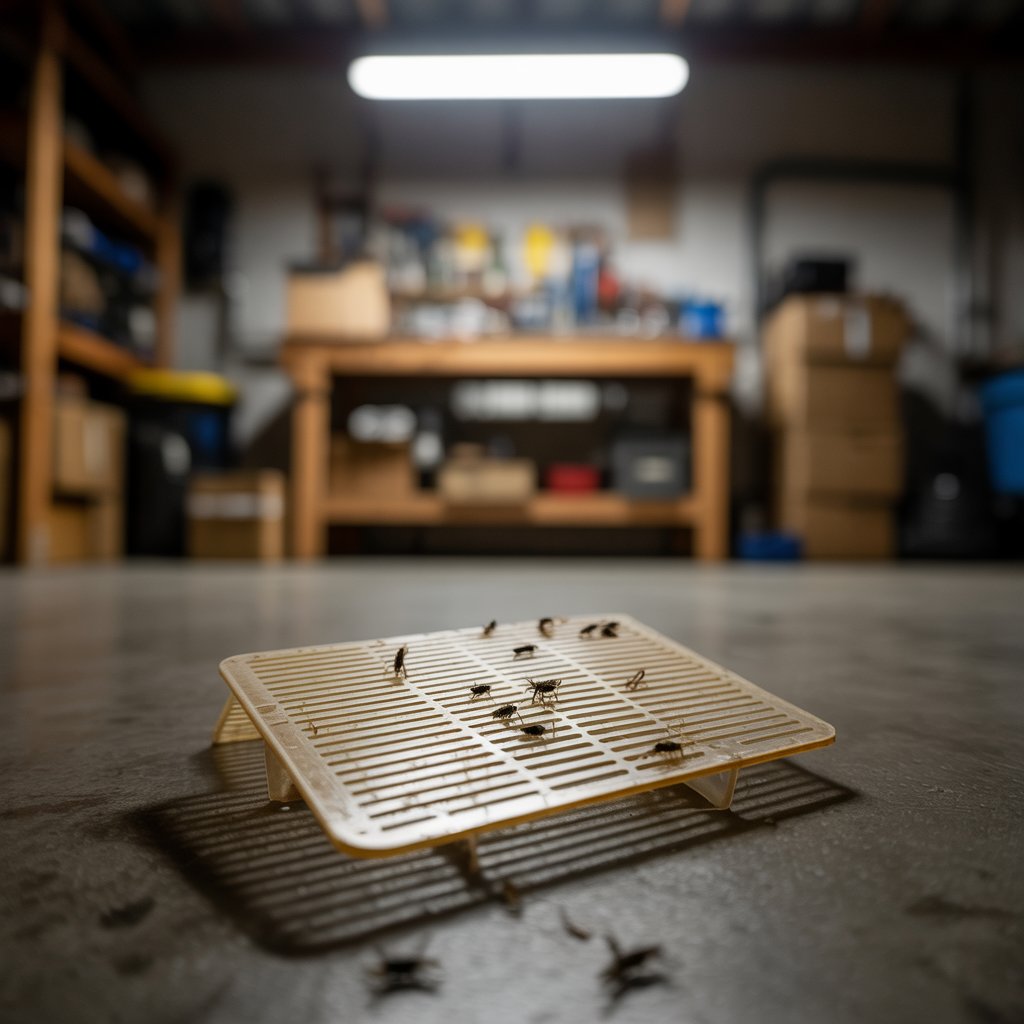
Have you ever found yourself itching after spending time in your garage or basement? You might have a flea problem lurking in the shadows! Fleas can invade any corner of your home, not just the cozy living room or the pet’s favorite spot. If you’re wondering whether flea traps can help eliminate these pesky pests in less common areas like garages or basements, you’re in the right place. Let’s break down the effectiveness of flea traps and discover how to tackle flea infestations in those often-overlooked spaces.
Before we dive into flea traps and their effectiveness, it’s essential to understand the enemy we’re dealing with. Fleas are small, wingless insects that thrive on warm-blooded animals, particularly pets like dogs and cats. They can also bite humans, causing itchy red bumps on the skin.
Fleas have a complex life cycle that includes four stages: egg, larva, pupa, and adult. Here’s a quick breakdown:
Understanding this cycle helps us appreciate the challenge of eradicating fleas, especially in less typical areas of the home.
Flea traps are designed to capture adult fleas, using a combination of attractants and sticky surfaces. They typically consist of a light source (either a bulb or a fluorescent light), a sticky pad to catch the fleas, and sometimes even a heat source to mimic a warm-blooded animal.
Now, let’s address the crux of the matter: Do flea traps work in garages or basements? The answer is yes, but with some caveats.
If you decide to use flea traps in your garage or basement, proper setup is crucial. Here are some tips to ensure they work effectively.
While flea traps can be a valuable part of your flea control arsenal, you’ll want to consider other methods for a more comprehensive approach.
Regular vacuuming is one of the most effective ways to reduce fleas. Make sure to:
If your flea problem is severe, you might want to consult a professional pest control service. They can provide targeted treatments that address the entire flea life cycle, including the use of:
For those who prefer a natural approach, consider using diatomaceous earth (DE) or essential oils. DE can be sprinkled in areas where fleas are suspected. It dehydrates and kills fleas when they come into contact with it. Essential oils like lavender, peppermint, and cedarwood can also repel fleas.
Keeping pet bedding and any fabrics in the garage or basement clean can help eliminate flea eggs and larvae. Wash these items in hot water to kill any fleas and their eggs.
In summary, flea traps can be an effective tool in combating flea infestations in garages and basements, but they are not a standalone solution. By understanding the flea life cycle and employing a combination of methods—like vacuuming, using professional pest control, and maintaining cleanliness—you can create an environment that is less hospitable to fleas.
So, if you’re dealing with an itch or two after spending time in your garage or basement, don’t wait! Set up some flea traps, clean up those spaces, and consider additional methods to reclaim your home from these tiny terrors. With patience and persistence, you can achieve a flea-free environment in every corner of your home!