
Glue traps for fleas are effective, but it depends on the flea's life cycle. You get three types the adult flea that bites. Then you have the flea eggs and the tiny larvae.
April 15, 2025
7 min read time
This information is reviewed by an independent pest control expert.
All external links are non-affiliated and for informational purposes only

Fleas are pesky little creatures that can turn your home into their playground if you’re not careful. If you’ve ever had a pet, you know how challenging it can be to get rid of these tiny invaders. With various methods available for pest control, one question often arises: do glue traps catch fleas? In this article, we’ll explore the effectiveness of glue traps for catching fleas, discuss alternative methods, and provide you with strategies to keep your home flea-free. So, let’s dive right in!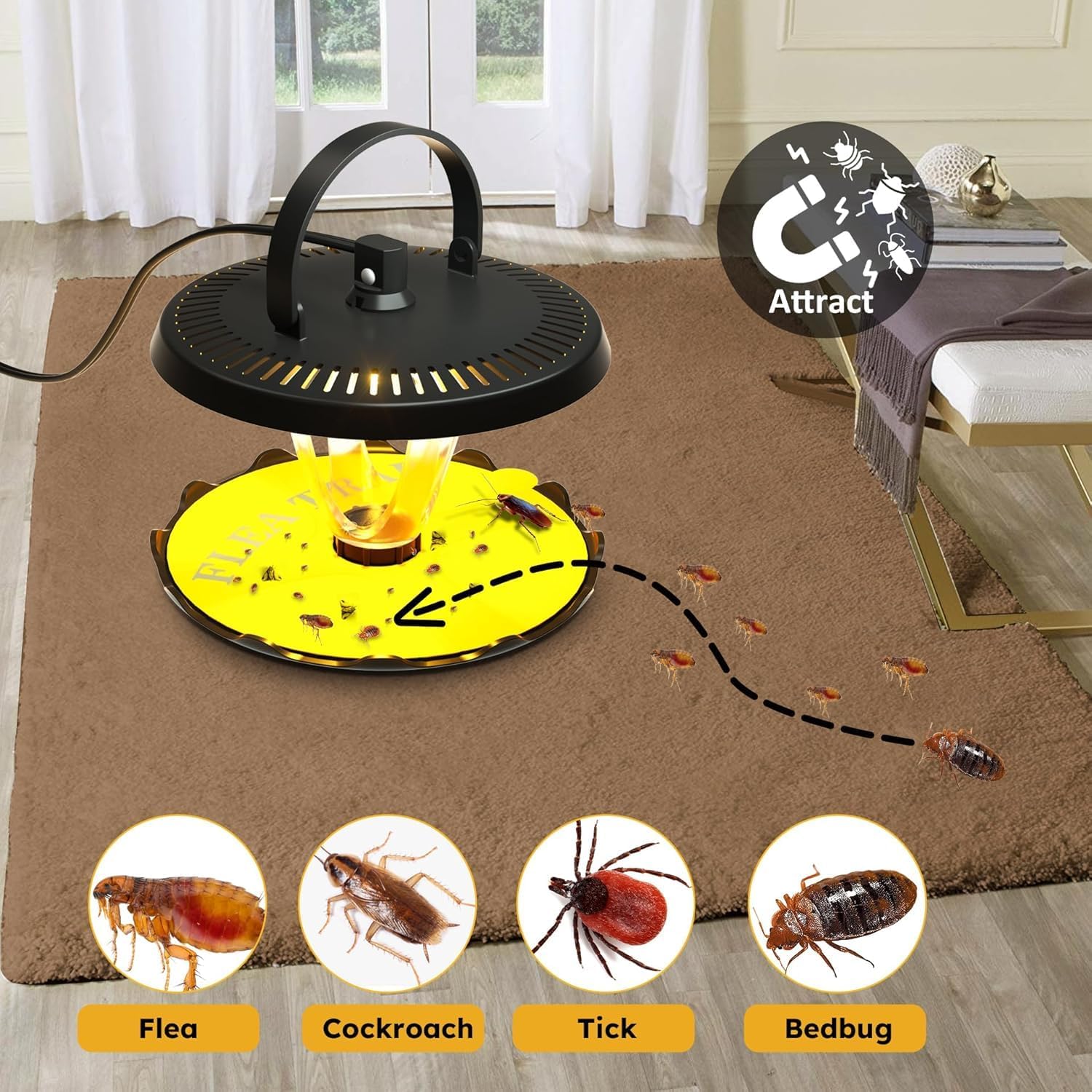
Before we tackle whether glue traps can catch fleas, it’s essential to understand a bit about these critters:
Fleas are small, wingless insects that thrive on the blood of mammals and birds. They are known for their incredible jumping ability, which allows them to move quickly between hosts. The most common flea species that infest homes are the cat flea (Ctenocephalides felis) and the dog flea (Ctenocephalides canis).
Fleas have a complex life cycle that includes four stages—egg, larva, pupa, and adult. Here’s a quick breakdown:
Fleas are not just annoying; they can also pose health risks to you and your pets. They can cause:
Glue traps, or sticky traps, are simple pest control devices designed to catch insects and rodents. They consist of a flat surface coated with a strong adhesive that immobilizes any creature that steps on it. These traps are widely used for various pests, including roaches, mice, and insects.
The idea behind glue traps is straightforward. Once an insect or rodent makes contact with the sticky surface, it becomes trapped and cannot escape. This method is often viewed as a more humane alternative to traditional traps, as it doesn’t involve poison or snap mechanisms.
While glue traps can catch fleas, they are not the most effective method for flea control. Here’s a deeper look into why:
Fleas are incredibly small—about 1/8 inch long—and are excellent jumpers. Their agility allows them to evade many traps, including glue traps. Additionally, fleas move quickly, making it difficult for them to land on a sticky surface before jumping away.
Fleas generally prefer to remain close to their hosts. They spend most of their time on pets or in areas where pets frequent. This means they may not wander onto a glue trap unless strategically placed.
Even if a flea does land on a glue trap, it may not stay there long. Fleas can survive without a host for a short period, but they are not designed to remain stuck on a surface for extended times. This reduces the likelihood of catching multiple fleas.
While glue traps are not the best solution for a flea infestation, they can still serve a purpose:
If glue traps are not the answer, what are some effective methods for tackling a flea problem? Here are several strategies:
Regular vacuuming is one of the most effective ways to reduce flea populations. Here’s how to do it:
Fleas can hide in bedding and fabrics, so regularly washing these items is crucial:
Consult your veterinarian for effective flea treatments for your pets. Options may include:
Insect growth regulators help prevent flea eggs from hatching and larvae from maturing into adults. These can be sprayed in areas where fleas are likely to inhabit.
If you’re dealing with a severe infestation, consider hiring a professional pest control service. They have access to specialized products and techniques that can effectively eliminate fleas from your home.
If you prefer a more natural approach, several remedies can help repel fleas:
 Prevention: Keeping Fleas at Bay
Once you’ve dealt with a flea infestation, it’s essential to take preventive measures to keep them from coming back. Here are some tips:
Regularly groom your pets to check for fleas and remove any that may be present. Use a fine-toothed flea comb for best results.
Keep your home clean and clutter-free. Regular cleaning will help deter fleas and other pests.
Maintaining your yard can also help prevent fleas:
So, do glue traps catch fleas? While they can catch some fleas, they are not a reliable solution for flea control. Their effectiveness is limited due to the small size and agility of fleas, as well as their behavior of staying close to their hosts. Instead, consider a combination of methods, including regular vacuuming, washing bedding, using effective flea treatments, and maintaining a clean environment to keep these pesky pests at bay.
Remember, the best defense against a flea infestation is proactive prevention. By staying vigilant and employing a variety of strategies, you can enjoy a flea-free home for you and your furry friends!