
Not all mice will make a beeline back to your house. Various elements play into their decision
July 30, 2024
4 min read time
This information is reviewed by an independent pest control expert.
All external links are non-affiliated and for informational purposes only

If you’ve ever dealt with a mouse problem, you know how tricky these little critters can be.
One popular, humane approach to dealing with mice is trapping and releasing them.
But does this method really work? Do mice come back once released?
Let’s explore this topic in detail.
One of the most fascinating aspects of mice is their homing instinct.
Mice have an incredible sense of direction and an innate ability to find their way back home.
If not released far enough away, these critters are often able to return to their original nesting site.
This instinct is a survival mechanism, helping them to find food, water, and shelter.
Mice rely heavily on their sense of smell to navigate.
They create scent trails that they can follow back to their nest.
This means that if you release a mouse near its original habitat, there’s a good chance it will find its way back through these scent markers.
To ensure that mice do not come back once released, you need to employ effective strategies:
The general rule of thumb is to release mice at least 2 to 3 miles away from your home.
This distance helps to break their scent trail and makes it less likely that they will return.
When releasing a mouse, choose a suitable habitat where they can find food and shelter easily.
Wooded areas or parks are good options. This will increase their chances of surviving in the wild and decrease their inclination to return to human habitation.
Releasing mice during the night or early morning is beneficial since these are the times when mice are most active.
This gives them a better chance of quickly finding a new shelter and food source.
To prevent mice from returning or other mice from entering, it’s crucial to seal all potential entry points.
Inspect your home thoroughly and look for small gaps and cracks. Use materials like steel wool, caulk, and hardware cloth to close these openings.
Maintaining a clean home is key. Mice are attracted to food crumbs, clutter, and easily accessible water sources. Regularly:
Using natural deterrents can also help. Some effective options are:
Even after taking all necessary precautions, regular monitoring is essential.
Set up snap traps or live traps in areas where you suspect mouse activity to catch any new intruders before they establish themselves.
If releasing mice seems too daunting or impractical, there are alternative methods to consider.
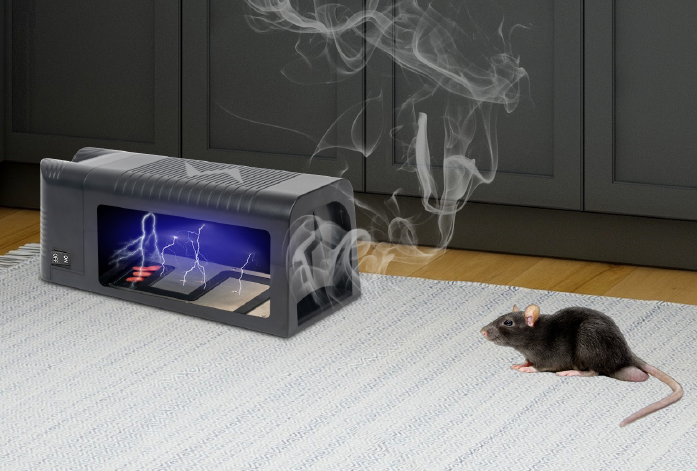
This electric mouse trap adopts a no-escape design, which fixes the rodent in place and produces a high-voltage electric shock of 6,000-9,000V.
It kills the mouse within a few minutes without any pain or pain, and is non-toxic, safe and reliable.
For severe infestations, calling a professional pest control service might be the best option.
They have the expertise and tools to handle the problem more efficiently.
Releasing mice is a humane method to deal with infestations, but it requires meticulous planning to ensure they don’t return.
By understanding mouse behavior, choosing the right release strategies, and taking preventive measures, you can effectively manage and mitigate your mouse problem.
Remember, the goal is not just to remove the current intruders but to create an environment where they, or others, are unlikely to invade again.
35 more replies
Whether a released mouse comes back depends on distance, habitat, scent trails, and whether the original entry point is still open. Treat release as one part of exclusion, not the whole solution.


Are there any health concerns to consider when releasing a mouse?
It’s important to consider the potential for mice to carry diseases that could affect other wildlife or even pets if they are released into a new environment. It’s best to consult with local wildlife experts before releasing a mouse.
How can I prevent mice from entering my home in the future?
To prevent mice from entering your home, seal up entry points such as cracks and holes in walls or foundations, store food in airtight containers, keep living areas clean and free of crumbs, and reduce clutter where mice could nest.
Are there any humane alternatives to releasing mice?
Some people may opt for professional pest control services that use humane methods to handle rodent problems. Others might consider adapting their homes to coexist with mice, though this is not commonly recommended due to health risks.
What time of day is best for releasing a mouse back into the wild?
Mice are typically nocturnal, so releasing them at dusk can be beneficial as it aligns with their natural activity patterns, giving them the opportunity to explore and find shelter under the cover of darkness.
Can a mouse survive after being released into the wild?
Survival chances can vary. While some mice may adapt and survive, others may struggle with finding food, water, and shelter, or might fall prey to predators. Their survival often depends on the type of mouse and the new environment they are released into.