
If you are using ultrasonic pest repellers for pest birds, you probably just wasted your money and time. The ultrasonic device does not work on birds.
April 15, 2025
5 min read time
This information is reviewed by an independent pest control expert.
All external links are non-affiliated and for informational purposes only
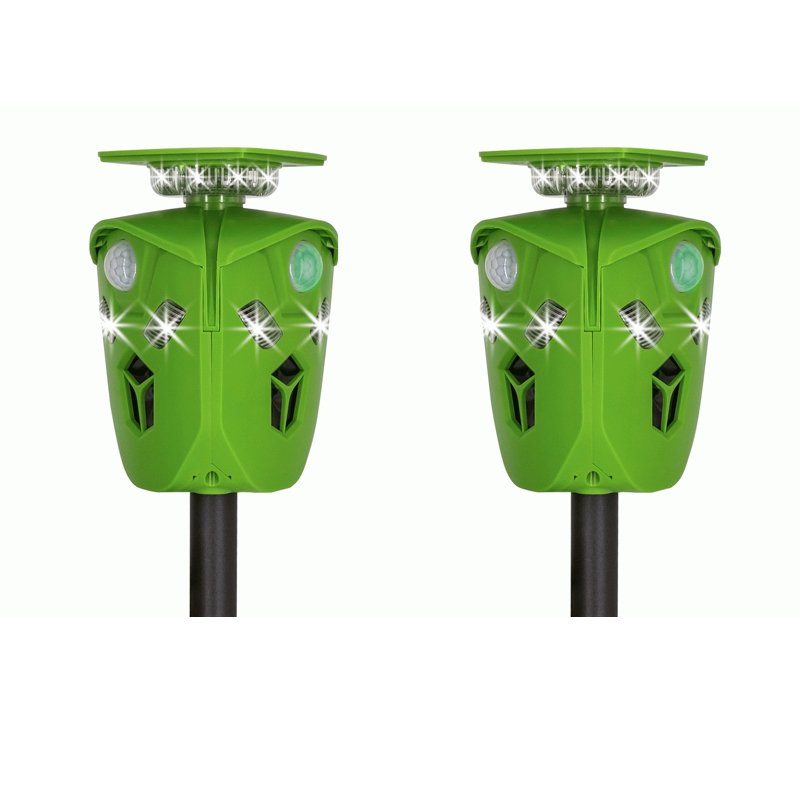
Have you ever been annoyed by birds swooping down and stealing your freshly planted seeds or leaving unwanted messes on your patio? If so, you might have considered using an ultrasonic animal repellent to keep those feathered friends at bay. But do these devices actually work? In this comprehensive guide, we’ll explore the effectiveness of ultrasonic animal repellents on birds, what the science says, and alternative methods you can consider for keeping your outdoor spaces bird-free.
Ultrasonic animal repellents are devices designed to emit high-frequency sound waves that are typically inaudible to humans but can be heard by animals, including rodents, dogs, cats, and—yes—birds. The idea is that these ultrasonic frequencies will irritate or scare the animals away from your property, deterring them from causing damage or nuisance.
The primary mechanism behind ultrasonic animal repellents is the production of sound waves that are above the hearing range of most humans (generally above 20 kHz). Different animals have varying levels of sensitivity to these frequencies, and while some creatures may be deterred, others may not react as expected.
Birds have a unique auditory system, and their sensitivity to sound varies significantly from one species to another. Some birds can hear sounds well beyond the range of human hearing, while others are less sensitive. This distinction raises the question: Do ultrasonic repellents actually scare birds?
Most birds can hear sounds up to 4 kHz to 5 kHz, and some species can even detect sounds as high as 20 kHz. However, the frequencies emitted by many ultrasonic repellents might fall outside their primary hearing range. Therefore, while some birds might react to certain sounds, they may not be affected by the high frequencies produced by these devices.
Research on the effectiveness of ultrasonic repellents suggests mixed results. Some studies indicate that while certain animals (like rodents) may be deterred, birds often do not show the same level of sensitivity.
Given the above findings, here are some limitations when it comes to using ultrasonic repellents specifically for birds:
If ultrasonic repellents are not the best solution for keeping birds away, there are several alternative methods you can consider. Here are some effective strategies:
Birds are often scared off by visual stimuli. You can create an unwelcoming environment for them using:
While ultrasonic sounds may not be effective, other types of noises can deter birds:
Creating barriers is one of the most effective ways to prevent birds from accessing certain areas:
Certain plants and substances can naturally repel birds:
While it’s essential to protect your property, it’s equally important to consider the impact on local wildlife. Birds play a significant role in our ecosystem, including pest control and pollination. Here are a few guidelines to keep in mind:
To sum it all up, while ultrasonic animal repellents may seem like a convenient solution for scaring away birds, the evidence suggests that they are not particularly effective. Birds have unique hearing capabilities that limit their responsiveness to ultrasonic frequencies, and they can quickly become accustomed to sounds that do not pose a genuine threat.
Instead, consider alternative methods, such as visual and physical deterrents, noisemakers, and natural repellents, to manage your bird-related challenges. By employing a combination of these techniques, you can create an environment that is less inviting to birds while still respecting their role in our ecosystem.
So next time you’re contemplating an ultrasonic repellent, remember: there are plenty of other tools in your toolbox that can help you reclaim your outdoor space from our feathered friends!