
Yes, they work effectively on coyotes. Coyotes have sensitive ears, and they cannot withstand the high-frequency sound waves.
April 14, 2025
6 min read time
This information is reviewed by an independent pest control expert.
All external links are non-affiliated and for informational purposes only
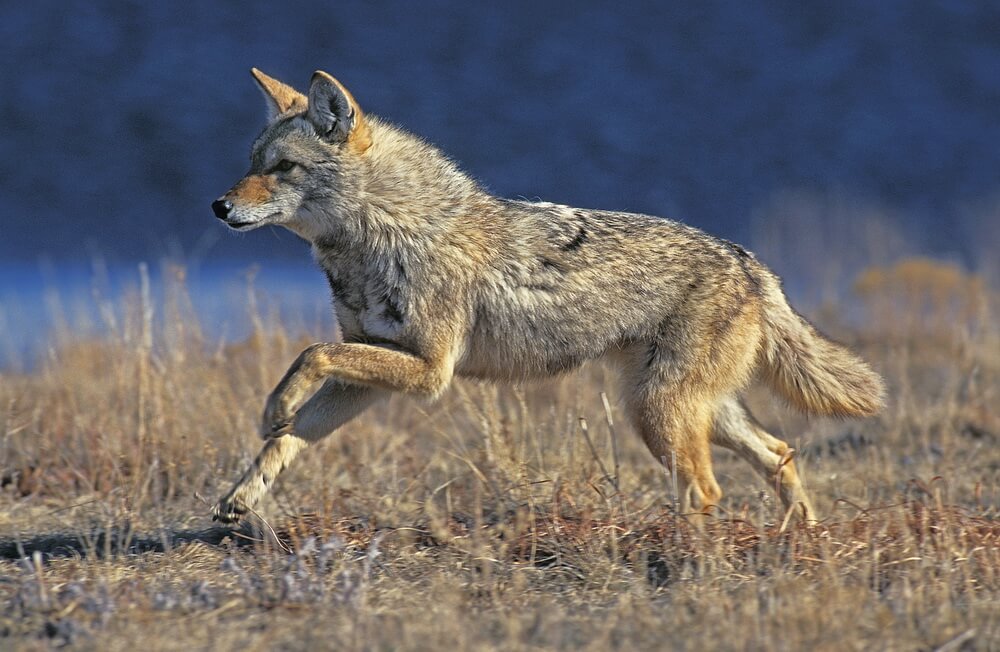
When you hear the eerie howl of a coyote echoing through the night, it can send chills down your spine. These adaptable canines have become common in urban and suburban areas, often foraging for food in our backyards. If you’ve ever found yourself wondering how to keep these wily creatures at bay, you might have come across ultrasonic animal repellers. But do they actually work on coyotes? In this article, we’ll delve deep into the world of ultrasonic repellents, exploring their effectiveness, the science behind them, and alternative solutions for coyote control.

Ultrasonic animal repellers are devices that emit high-frequency sound waves, which are typically above the range of human hearing. These sounds are said to be unpleasant to animals, including pests like rodents, deer, and, yes, even coyotes. The idea is that by using these devices, you can create an environment that is uninviting for these creatures, encouraging them to move elsewhere.
Ultrasonic repellers operate on the principle of sound waves. When these devices are activated, they emit sounds that are usually inaudible to humans but can be heard by animals. The sounds are often described as a series of beeps or a continuous tone. The frequency is designed to disrupt the animal’s communication or navigation abilities, making the area uncomfortable for them.

The big question is: Do ultrasonic animal repellers work on coyotes? The answer is not as straightforward as one might hope. While some users report success in deterring smaller animals like rats and raccoons, the effectiveness of these devices against coyotes is still a topic of debate.

Research on the effectiveness of ultrasonic repellers specifically for coyotes is limited. However, some studies suggest that while these devices might work temporarily for smaller animals, their impact on larger, more intelligent species like coyotes is questionable. Wildlife experts often emphasize that coyotes are more likely to respond to other deterrents, such as physical barriers or behavioral modifications.
If ultrasonic animal repellers aren’t the silver bullet for keeping coyotes away, what other options do you have? Here’s a comprehensive look at alternative methods that can be more effective in deterring these clever canines:
Installing a sturdy fence is one of the most reliable methods to keep coyotes out of your yard. Here are some tips for effective fencing:
These devices use motion sensors to detect movement and release a burst of water. The sudden spray can startle coyotes and send them running. Here’s why they work:
Coyotes can be scared away by visual deterrents that mimic predators or create an unsettling environment. Consider the following:

Loud noises can also be effective in scaring coyotes away. Here are some options:
Coyotes are opportunistic feeders, meaning they will scavenge for easy food sources. To minimize the chances of attracting them:
Engaging with your community can help manage coyote populations effectively. Here’s how:

So, do ultrasonic animal repellers work on coyotes? The evidence suggests that while these devices may be effective for smaller animals, their success against coyotes is far from guaranteed. Coyotes, with their adaptability and intelligence, often require more robust methods for effective control.
By combining various strategies—such as installing secure fencing, using motion-activated sprinklers, and maintaining proper waste management—you can create an environment that is less inviting to coyotes.
While ultrasonic repellers can be part of your coyote control toolkit, it’s essential to recognize their limitations and employ a multi-faceted approach. The goal is to ensure your backyard remains a safe haven for you, your pets, and your family, while respecting the natural habitat of these wild creatures.
In the end, understanding the behavior of coyotes and being proactive can make a significant difference in how you coexist with these fascinating animals. If you have any experiences or tips to share about deterring coyotes, feel free to leave a comment below! Your insights could help others in their quest to create a coyote-free zone.