
Well, the truth is: guinea pigs may show signs of distress depending on the device's proximity.
April 15, 2025
6 min read time
This information is reviewed by an independent pest control expert.
All external links are non-affiliated and for informational purposes only
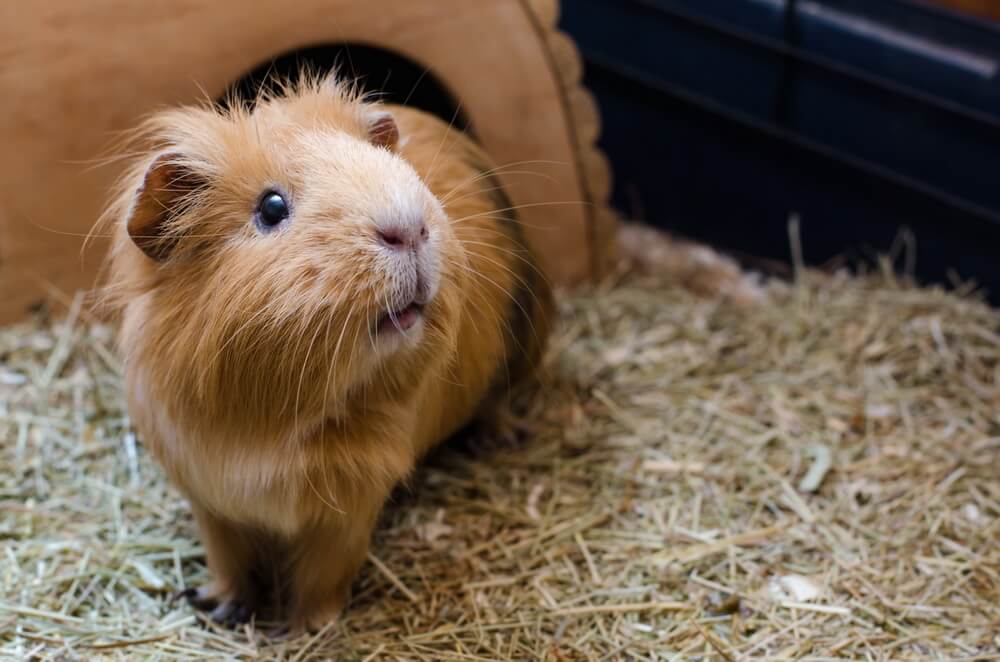
When it comes to keeping our homes pest-free, the quest for effective solutions can lead us down many paths. One popular method is the use of ultrasonic mouse repellers. These devices promise to drive away mice and other rodents using high-frequency sound waves that are inaudible to humans but supposedly unbearable for pests. But what about our beloved pets, especially guinea pigs? Do these repellers pose any risks to them? Let’s dive deep into this topic and find out!
Ultrasonic mouse repellers are electronic devices designed to emit high-frequency sound waves, typically in the range of 20 kHz to 65 kHz. These sounds are meant to irritate rodents, encouraging them to flee the area without causing physical harm. They are often marketed as a humane pest control solution.
The concept behind ultrasonic repellers is simple: rodents have sensitive hearing and can detect sounds that humans cannot. When exposed to these high-frequency sounds, mice may experience discomfort, leading them to vacate the area. However, the effectiveness of these devices can vary widely, and their impact on non-target animals, like guinea pigs, is not as widely discussed.
Guinea pigs (Cavia porcellus) are small, social rodents that make wonderful pets. They have a wide range of hearing and can detect sounds from around 1 kHz to 40 kHz. This means they can hear sounds in the ultrasonic range, which is where many of these mouse repellers operate.
While guinea pigs are capable of hearing ultrasonic sounds, their reactions can differ from those of mice. Some experts suggest that while the sounds may not cause harm, they could lead to stress or discomfort. It’s crucial to consider how these sounds might affect their well-being.
Learn all about Ultrasonic Pest Repeller
Deep dive this topic with hand-picked articles just for you
Many guinea pig owners have raised concerns about the use of ultrasonic devices in homes with these pets. While some have reported no noticeable adverse effects, others have observed behavioral changes in their guinea pigs after introducing these repellers.
Experts recommend caution. It’s always best to prioritize the comfort and well-being of your pets. If you notice any unusual behavior in your guinea pigs after setting up an ultrasonic repeller, it may be best to discontinue use.
If you decide to use an ultrasonic mouse repeller, consider placing it strategically:
Keep an eye on your guinea pigs after introducing an ultrasonic repeller. Look for signs of stress or discomfort. If they seem agitated, it might be time to remove the device.
If you’re concerned about the effects of ultrasonic repellers, consider alternative pest control methods that are safer for your pets:
If you’re dealing with a mouse problem, consider using safe traps. These can be effective and can be placed in areas away from your guinea pig. Always check traps regularly to ensure that any caught mice are dealt with humanely.
Some natural deterrents can help keep mice at bay without affecting your guinea pigs:
Maintaining a clean environment is one of the most effective ways to keep rodents away. Here are some tips:
In summary, while ultrasonic mouse repellers can be an effective tool for pest control, they may have unintended consequences for your guinea pigs. Their sensitive hearing makes them susceptible to discomfort from high-frequency sounds, potentially leading to stress or behavioral changes.
If you choose to use these devices, ensure they are placed far from your pets, and always monitor their behavior for any signs of distress. Exploring alternative pest control methods is highly recommended to keep your furry friends safe and comfortable.
As with any product, the key is to weigh the benefits against the potential risks. Your pets’ well-being should always come first, and keeping an eye on their behavior will help you make informed decisions. Remember, a happy guinea pig is a healthy guinea pig!