
High-intensity electronic devices have proved null and void against bed bugs. These bugs are not affected by these loud waves.
April 14, 2025
6 min read time
This information is reviewed by an independent pest control expert.
All external links are non-affiliated and for informational purposes only
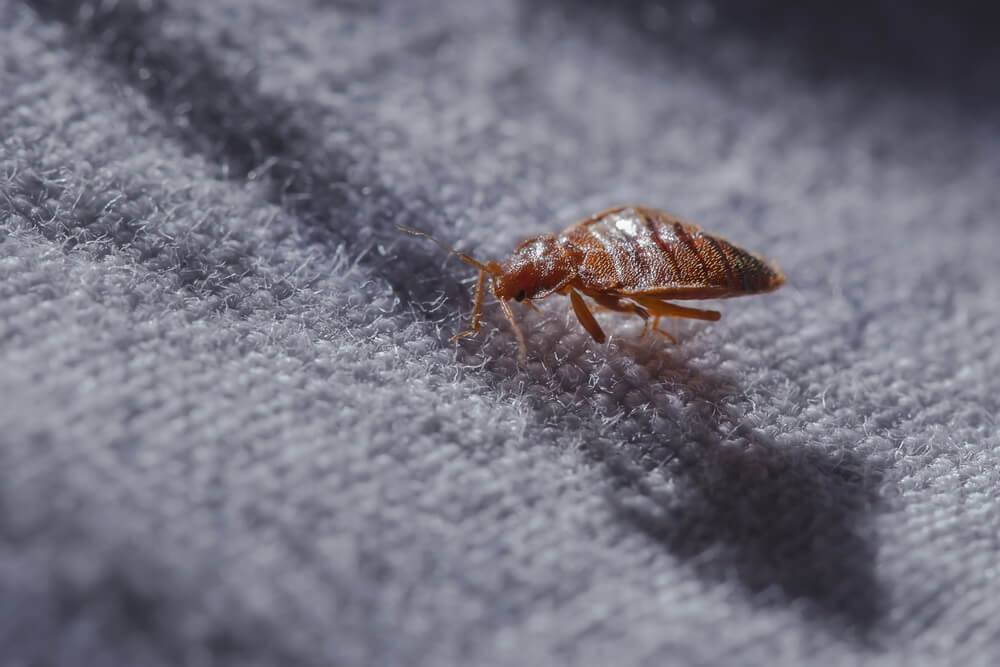
If you’ve ever encountered a bed bug in your home, you know just how distressing it can be. These tiny pests can wreak havoc on your peace of mind, leaving you itching and anxious about your next encounter. As the search for effective pest control methods continues, many people are turning to ultrasonic pest repellers as a potential solution. But do these devices really work on bed bugs? Let’s dive into the science, the claims, and what you can do to tackle these unwelcome guests.

Bed bugs (Cimex lectularius) are small, nocturnal insects that feed on the blood of humans and animals. They are about the size of an apple seed, flat, and reddish-brown in color. These pests are notorious for residing in bedding, mattresses, and furniture, making their presence difficult to ignore.
It’s essential to recognize the signs of a bed bug infestation early on to take appropriate action. Here are some telltale signs:
Bed bugs are resilient creatures that can adapt to various environments. They reproduce quickly, with a female capable of laying hundreds of eggs in her lifetime. This rapid reproduction makes infestations challenging to control. Traditional pest control methods often require professional intervention, which can be costly and time-consuming.

Ultrasonic pest repellers are devices that emit high-frequency sound waves, typically above the range of human hearing (20 kHz), intended to deter pests from invading your home. They are marketed as a humane, chemical-free solution to various pests, including rodents, ants, and even bed bugs.
The theory behind ultrasonic pest repellers is relatively straightforward:
The effectiveness of ultrasonic pest repellers, particularly against bed bugs, is a topic of debate. Numerous studies have been conducted to assess their efficacy:
Limited Evidence: Most scientific research suggests that ultrasonic pest repellers have little to no effect on bed bug populations. A notable study published in the Journal of Economic Entomology found no significant reduction in bed bug activity when using ultrasonic devices.
Behavioral Responses: Some studies have demonstrated that while certain pests may show short-term avoidance of ultrasonic sounds, bed bugs have not exhibited a consistent behavioral response to these devices.
Inconsistent Results: Various consumer reports indicate mixed results, with some users claiming minor success while others report no change in infestation levels.
Many pest control experts remain skeptical about the effectiveness of ultrasonic pest repellers, particularly against bed bugs. According to entomologists, bed bugs are primarily visual and olfactory creatures. They rely more on sight, scent, and heat to locate their hosts rather than auditory cues.
Several factors contribute to the ineffectiveness of ultrasonic pest repellers against bed bugs:
 Alternative Solutions for Bed Bug Control
If ultrasonic pest repellers are not the answer, what can you do to combat bed bugs effectively? Here are some proven methods:
Hiring a licensed pest control professional is one of the most effective ways to eliminate a bed bug infestation. Professionals have access to specialized treatments and products that can target bed bugs at various life stages.
Bed bugs cannot survive high temperatures. Heat treatment involves raising the temperature in an infested area to above 120°F (49°C) for several hours, effectively killing all life stages of the pest.
Regular vacuuming can help remove bed bugs, eggs, and their droppings. Be sure to dispose of the vacuum contents immediately in a sealed bag.
Using bed bug-proof encasements on mattresses and box springs can prevent bed bugs from entering or escaping. This method also makes it easier to spot any signs of an infestation.
This natural substance can be sprinkled in areas where bed bugs are suspected. It works by dehydrating and killing the pests upon contact.
While not always the first choice, insecticides specifically formulated to target bed bugs can be used as part of an integrated pest management program. Always follow label instructions and safety guidelines.
 Prevention Tips to Keep Bed Bugs at Bay
Once you’ve dealt with a bed bug infestation, it’s crucial to implement preventive measures to avoid future issues. Here are some tips:
 Conclusion: The Verdict on Ultrasonic Pest Repellers
In summary, while ultrasonic pest repellers may seem like a convenient solution for managing bed bugs, the evidence suggests that they are largely ineffective against these resilient pests. Instead, focusing on proven methods and professional pest control services will yield better results in combating bed bug infestations.
If you find yourself battling bed bugs, remember that quick action is vital. Implementing a combination of methods—like heat treatments, vacuuming, and professional services—will give you the best chance of reclaiming your home from these unwanted intruders. So, the next time you consider an ultrasonic pest repeller for bed bugs, think twice and opt for strategies that are backed by science and proven results. Your peace of mind is worth the effort!


Latest Comments Click to leave a comment