
Struggling with where to hang your bug zapper? This guide reveals the optimal height to maximize efficiency and keep those pesky insects at bay. Plus, get practical DIY installation advice!
April 15, 2025
6 min read time
This information is reviewed by an independent pest control expert.
All external links are non-affiliated and for informational purposes only
When the sun sets and the day cools down, many of us look forward to enjoying the outdoors. But with that serenity comes an unwelcome visitor: pesky bugs! Enter the bug zapper, a device that promises to rid our outdoor spaces of those annoying insects. But have you ever wondered about the best placement for these devices? Does a bug zapper have to be hung high? Let’s dive deep into this intriguing question and explore everything you need to know about bug zappers, their effectiveness, and the ideal placement for optimal results.
Bug zappers, also known as electric insect killers, have become a common sight in backyards, gardens, and patios. They work by attracting insects using ultraviolet light and then zapping them with an electric charge. But how effective are they, and does their height influence their performance?
Before we answer that question, let’s first understand how these devices function and the types of insects they target.
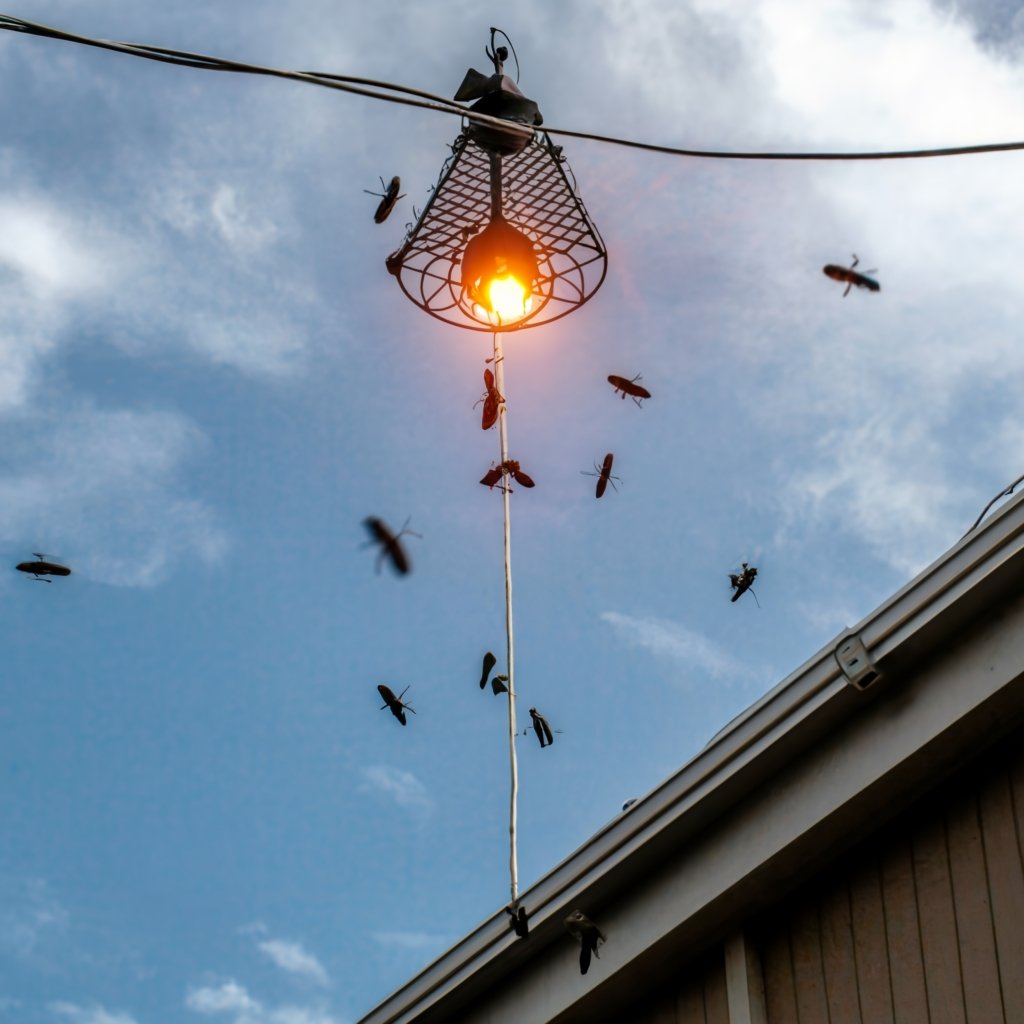
When a bug zapper is plugged in, it emits UV light, which is particularly attractive to flying insects like mosquitoes, moths, and flies. The device usually contains a metal grid charged with electricity. When an insect comes into contact with this grid, it receives a lethal jolt.

Image caption: A typical bug zapper in action.
To truly understand whether a bug zapper needs to be hung high, we need to delve into the science of insect behavior and how these devices operate.
Insects are drawn to various stimuli, primarily light, heat, and carbon dioxide. Mosquitoes, for instance, are attracted to carbon dioxide exhaled by humans and animals, while other insects may be lured by light. The effectiveness of a bug zapper depends largely on its ability to mimic these natural attractants.
The surrounding environment can greatly influence a bug zapper’s performance. Factors like wind, humidity, and the presence of other light sources can either enhance or diminish its effectiveness.
For example, if a zapper is placed too high, it may be out of reach of certain insects that prefer to fly at lower altitudes. Conversely, hanging it too low may expose it to environmental disturbances like wind or rain, affecting its function.
So, does height matter? Absolutely! The height at which you hang your bug zapper can determine how effective it will be in attracting and eliminating pests. Let’s break down the reasons why height is crucial.
Most flying insects tend to fly at varying heights, depending on their species and environmental conditions. For instance:
Understanding the flight patterns of the insects you’re targeting can help you decide the optimal height for your zapper.
The environment plays a significant role in insect behavior. If you hang your bug zapper too high, you might miss out on attracting insects that are more comfortable at lower elevations. Additionally, wind can disperse the UV light, making it less effective.
Consider factors like wind direction and surrounding light sources when determining the height for your bug zapper.
If you’ve decided to invest in a bug zapper, you’ll want to make sure it’s placed effectively. Here are some guidelines to ensure you get the most out of your zapper.
Learn all about Bug Zappers
Deep dive this topic with hand-picked articles just for you
As with many popular devices, there are several myths surrounding bug zappers. Let’s debunk a few of them.
To maximize the effectiveness of your bug zapper, consider these practical tips:
In conclusion, the height at which you hang your bug zapper is crucial for its effectiveness. By placing it between 3 to 5 feet off the ground and considering environmental factors, you can significantly increase its ability to attract and eliminate pesky insects. Remember to account for the specific insects you’re targeting and the conditions of your outdoor space. With a little planning and attention, your bug zapper can become an invaluable tool for enjoying a bug-free evening outdoors. So, hang it high, but not too high, and enjoy your outdoor activities without the buzz of unwanted pests!
Happy zapping!
12 more replies


I was wondering if there’s a specific height at which a bug zapper should be hung. Any thoughts?
Usually, hanging it around 6-7 feet high works best. It keeps it out of easy reach but still effective.
Totally agree. I think around head height is perfect. Keeps it away from pets and children too.
Isn’t it also better to hang it away from the main sitting area? The zaps can get annoying.
I hung mine about 8 feet high to cover a larger area. It seems to work very well that way.
Is there a science behind the height a bug zapper should be hung? Or is it just trial and error?
I’ve always heard it should be above people’s heads, like around 7 feet. It attracts more bugs that way.
Actually, some studies suggest placing it at insect flight paths, usually around 5-7 feet off the ground for most types.
Placement over height. Keep it away from light sources because bugs are drawn to light. Hang it at any height in darker areas.
In my experience, height doesn’t matter much if you have a strong enough bug zapper. Any other opinions?