
The ultrasonic animal repellents work effectively to control the infestation of unwanted pests in your homes
April 15, 2025
6 min read time
This information is reviewed by an independent pest control expert.
All external links are non-affiliated and for informational purposes only
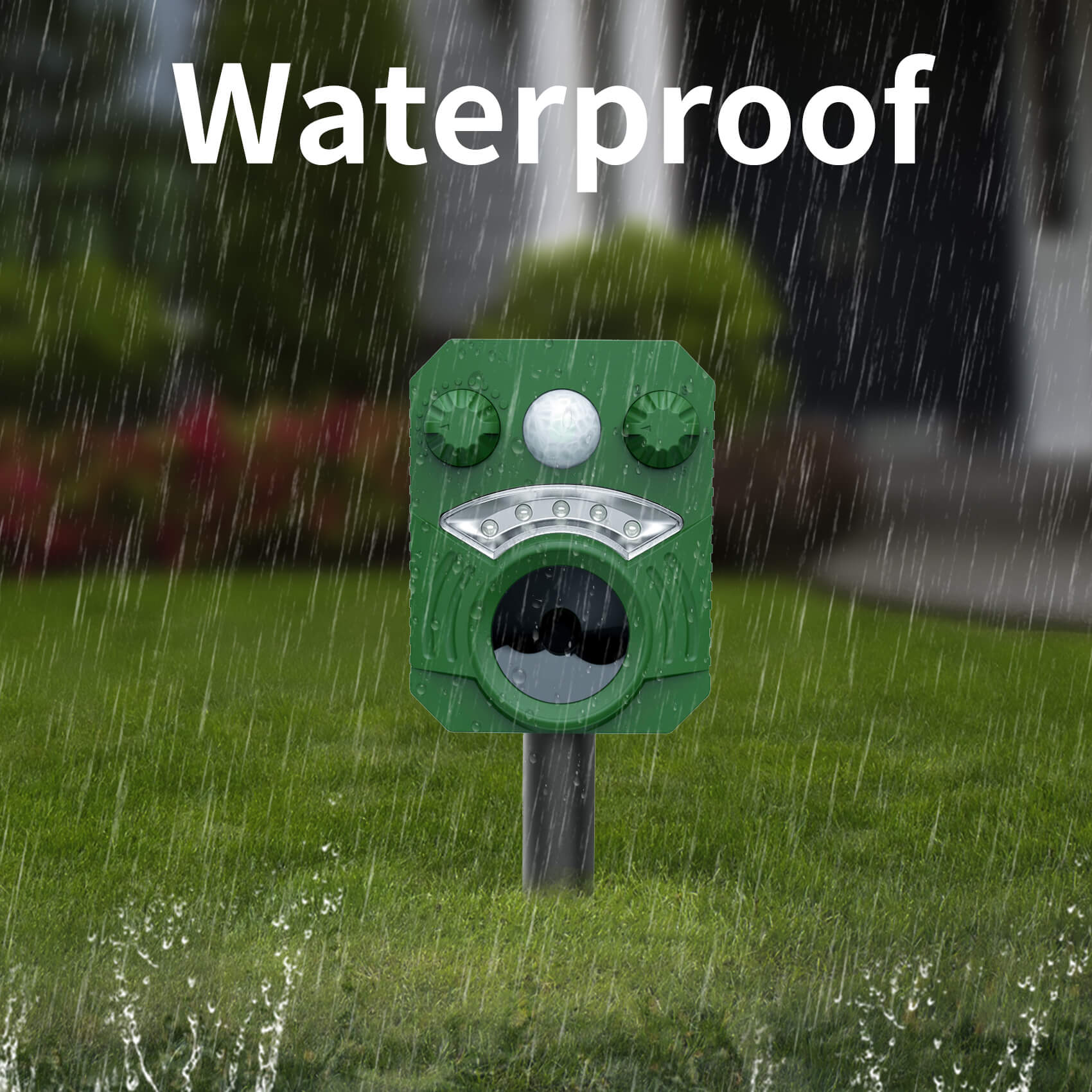
Have you ever found your garden ravaged by pesky animals, or perhaps your peaceful evenings interrupted by the sounds of wildlife? If so, you might be considering a solar ultrasonic animal repeller as a solution. These devices promise to keep unwelcome critters at bay using sound waves that are inaudible to humans but bothersome to animals. But do they really work? In this article, we’ll dive deep into the world of solar ultrasonic animal repellers, exploring how they function, their effectiveness, and what you need to know before investing in one.
Ultrasonic animal repellers are devices designed to emit high-frequency sound waves that are typically above the range of human hearing, usually above 20 kHz. These sounds are intended to deter animals such as cats, dogs, rodents, and even larger wildlife like deer and raccoons.
Solar ultrasonic animal repellers harness energy from the sun to operate. They are equipped with solar panels that charge an internal battery, making them environmentally friendly and convenient, as they don’t require constant battery replacements or electrical outlets.
When activated, these devices emit ultrasonic sound waves that create an uncomfortable environment for animals. Different species can hear different frequencies, and the idea is that the unpleasant sound will drive them away from your property.
Many solar ultrasonic animal repellers come equipped with motion sensors. These sensors detect movement within a certain range and activate the ultrasonic sound waves, ensuring that the device only operates when necessary.
Most devices allow users to adjust the frequency settings to target specific animals. For example, a frequency that deters rodents may not be as effective for larger animals like deer. This feature enhances the effectiveness of the repeller by tailoring it to your particular needs.
Several studies have explored the efficacy of ultrasonic animal repellers, and the results can be mixed. While some studies suggest a degree of effectiveness, others indicate that animals can quickly adapt to the sounds. It’s crucial to consider that individual results may vary based on numerous factors, including the type of animal and the environment.
When selecting a solar ultrasonic animal repeller, consider the following features:
While there are numerous options available on the market, here are a few brands and models that have received positive reviews:
For the best results, consider the following when installing your repeller:
After installation, monitor the area for signs of animal activity. You may need to adjust the frequency settings or reposition the device for maximum effectiveness.
While solar ultrasonic animal repellers can be effective, they may work best as part of a multi-faceted approach to pest control. Here are some additional methods to consider:
In summary, solar ultrasonic animal repellers can be a viable solution for deterring unwanted wildlife from your property, but they are not a one-size-fits-all remedy. Their effectiveness can vary based on several factors, including the type of animals you are trying to repel and the specific environmental conditions. By understanding how these devices work, their pros and cons, and how to choose the right one for your needs, you can make an informed decision.
While they may not be foolproof, when used in conjunction with other pest control methods and proper installation, solar ultrasonic animal repellers can contribute to a more peaceful, wildlife-free environment. So, if you’re looking for a humane, eco-friendly way to manage your animal visitors, a solar ultrasonic repeller might just be the right tool for the job!
