
By sealing entry points, reducing moisture, maintaining your garden, and utilizing natural deterrents, you can reclaim your space from these pesky insects.
March 16, 2026
7 min read time
This information is reviewed by an independent pest control expert.
All external links are non-affiliated and for informational purposes only
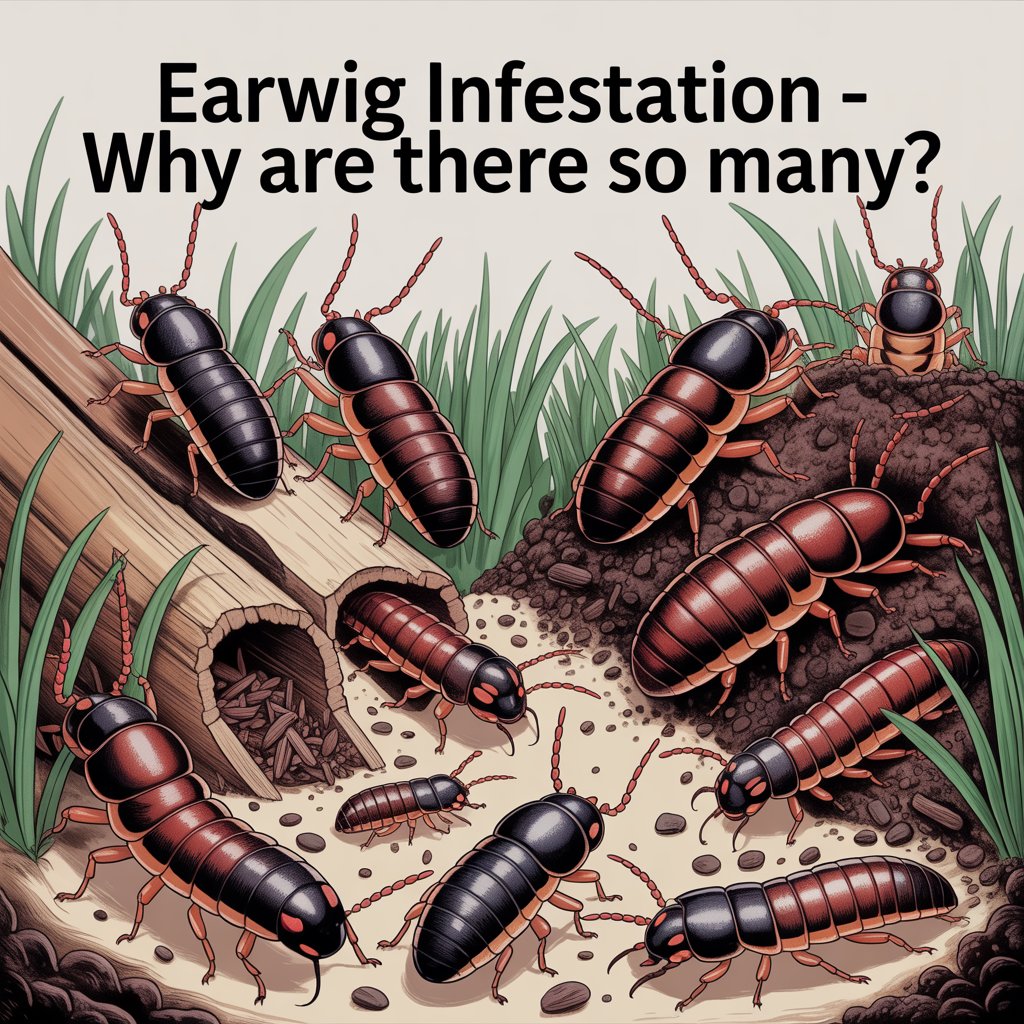
Have you ever walked into your home after a long day, only to find a creepy crawly scuttling across your kitchen floor? If that critter happens to be an earwig, you’re not alone! Earwig infestations have become increasingly common, leaving many homeowners scratching their heads in confusion. But what’s behind this sudden surge in earwig populations? In this article, we’ll dive deep into the world of earwigs, exploring their habits, habitats, and what you can do to manage an infestation. So grab a cup of coffee, and let’s get started!
Before we tackle the question of why earwigs are invading your space, let’s get familiar with these little creatures. Earwigs, scientifically known as Forficula auricularia, are small insects typically measuring about 5 to 25 millimeters in length. They have elongated bodies, pincers (or cerci) at their rear, and are often mistaken for other insects, such as cockroaches.
You might be wondering why earwig populations seem to be exploding lately. Several factors contribute to this sudden increase, and understanding these can help you prevent and manage infestations in your home.
One of the most significant influences on insect populations is climate change. Warmer temperatures and changing weather patterns create ideal conditions for earwigs to thrive. Extended warm seasons allow for more breeding cycles, resulting in higher populations.
Earwigs love moist environments. If your area has experienced increased rainfall or humidity, it could lead to more earwigs seeking shelter in your home. They often enter through cracks in windows, doors, and foundations, especially if they are looking for a damp place to hide.
Another reason for the rise in earwig populations is the trend of overgrown gardens. While lush gardens can be beautiful, they can also create a haven for earwigs. Dense vegetation provides ample hiding spots, making it easier for these critters to breed and multiply.
Using mulch and compost in your garden can be beneficial for plant growth, but it can also attract earwigs. These materials retain moisture and offer a perfect breeding ground for earwigs. If your garden is well-mulched, you might want to check for earwig activity regularly.
If you have certain features in your home, it could be attracting earwigs. Here are some common indoor attractants to consider:
If you suspect that your home may be facing an earwig invasion, it’s essential to look for signs of infestation. Here are some common indicators to keep an eye out for:
The most obvious sign is simply seeing earwigs scurrying around your home, especially at night when they are most active.
If you have a garden, check for signs of damage on your plants. Earwigs may feast on leaves, flowers, and fruits, leaving behind ragged edges or holes.
Earwigs leave behind small, dark droppings that can often be found near their hiding spots. If you notice these in your home, it’s a sure sign of infestation.
Earwigs have a tendency to chew through cardboard and paper, especially if it’s damp. If you find shredded materials in your home, it may be due to earwigs.
Now that you understand why earwigs might be invading your home let’s explore some effective strategies to manage and prevent infestations.
The first step in prevention is to seal any entry points. Inspect your home for cracks, gaps, and holes in windows, doors, and foundations. Use caulk or weather stripping to close off these potential entryways.
Since earwigs thrive in moist conditions, reducing humidity levels can be beneficial. Here are some tips:
Keeping your garden tidy can help reduce earwig populations. Here are some gardening tips:
There are several natural methods to keep earwigs at bay:
If you’re dealing with an existing infestation, traps can help catch earwigs:
If your efforts to manage the infestation are unsuccessful, it may be time to call in the professionals. Pest control experts can assess the situation and provide targeted solutions to eliminate earwigs from your home.
Earwigs may be small, but they can cause big headaches for homeowners. Understanding why they are so abundant right now can help you take proactive measures to manage infestations effectively. By sealing entry points, reducing moisture, maintaining your garden, and utilizing natural deterrents, you can reclaim your space from these pesky insects. Remember, if the situation gets out of hand, don’t hesitate to reach out to pest control professionals for assistance. With a little effort and knowledge, you can keep your home earwig-free!
So the next time you spot an earwig in your home, you’ll know exactly why it’s there and what steps to take. Happy bug hunting!