
Remember to seal entry points, reduce moisture, and maintain a clean environment.
November 23, 2025
6 min read time
This information is reviewed by an independent pest control expert.
All external links are non-affiliated and for informational purposes only
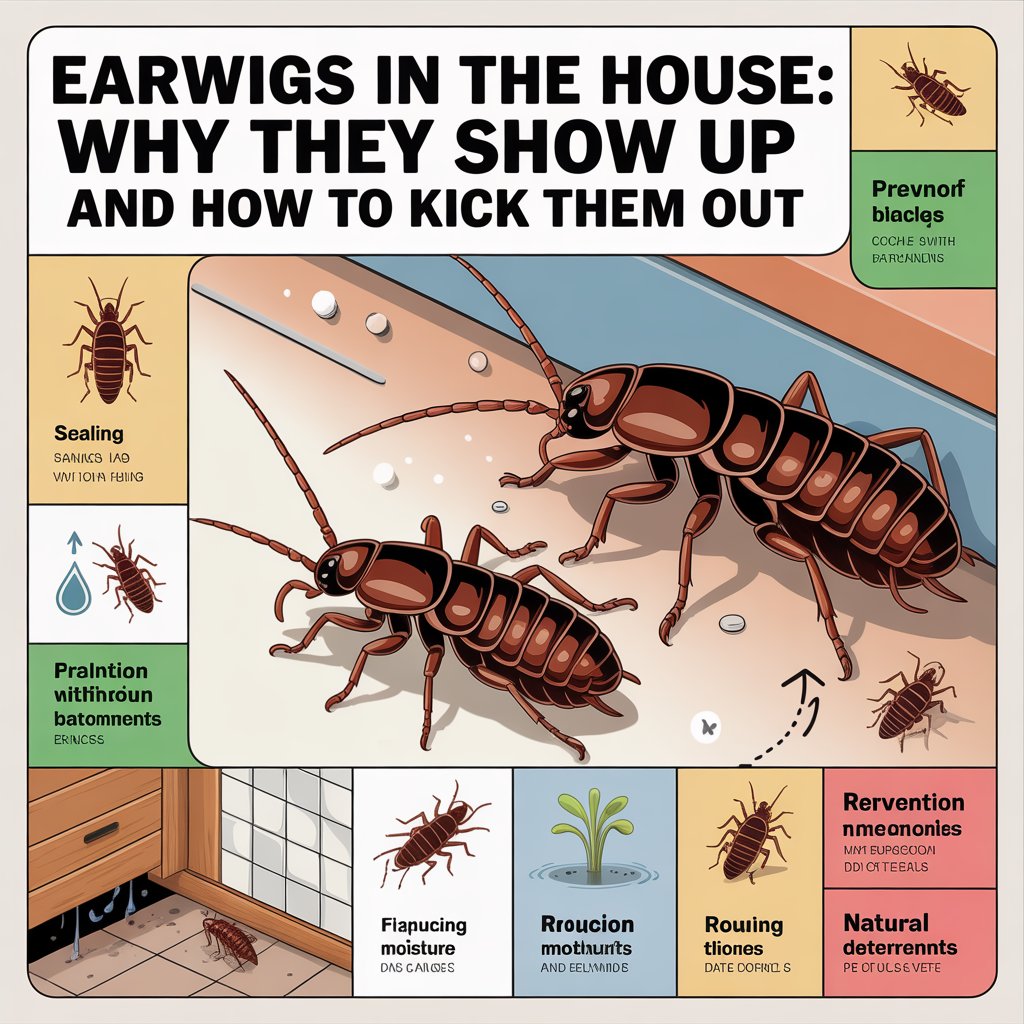
Have you ever found a creepy-crawly bug scuttling across your kitchen counter, only to realize it’s an earwig? If so, you’re not alone! These little insects can be quite unnerving, especially when they invade your living space. But fear not! In this comprehensive guide, we’ll dive deep into the world of earwigs, uncover their habits, and explore effective ways to keep them out of your home for good.
Earwigs are fascinating creatures that belong to the order Dermaptera. With their distinctive pincers, which can look intimidating, these insects often cause quite a stir when they make an appearance indoors. While they’re not harmful to humans (they don’t bite unless provoked), their presence can be unsettling. So, why do they invade our homes, and what can we do about it? Let’s take a closer look!
Earwigs are typically brown or black and can grow up to 1 inch long. Their most notable feature is the pair of forceps-like pincers at the end of their bodies, which are primarily used for mating and self-defense. Male earwigs have larger pincers than females, making it easy to distinguish between the two.
Earwigs thrive in damp, dark environments. You’ll often find them hiding under rocks, logs, or in garden mulch. They enjoy moist areas because they can easily lose water through their exoskeleton. This makes your home an attractive option, especially if it has areas with high humidity.
These nocturnal insects are primarily active at night, seeking food and moisture. During the day, they hide in crevices and shadows, which is why you might not notice them until dusk. Earwigs are omnivorous, feeding on decaying plant matter, leaves, and even other insects.
As the weather changes, earwigs may seek refuge indoors to escape unfavorable conditions, such as extreme heat or cold. Cracks and gaps in your home’s exterior provide easy access points for these pests.
If your home has areas of high humidity—like bathrooms, kitchens, or basements—earwigs are likely to be attracted to these spots. They thrive in moisture and will venture inside if they sense a suitable environment.
While earwigs primarily feed on organic matter outside, they aren’t picky. If your home has a food source, such as crumbs or decaying plants, they may make their way inside for a snack.
During the fall months, earwigs often seek shelter indoors as their outdoor habitats become less favorable. This seasonal migration is a common reason for an uptick in indoor sightings.
The most straightforward way to determine if you have earwigs in your home is to spot them. Keep an eye out for:
In addition to spotting earwigs, other signs may indicate a problem:
Prevention is key! Start by sealing off any potential entry points:
Since earwigs love moisture, reducing humidity can deter them:
Keeping your home clean can discourage earwigs:
There are several natural methods to keep earwigs at bay:
Creating a trap can help capture and kill earwigs:
If the infestation persists and other methods fail, consider chemical solutions:
Earwigs might be a common household nuisance, but with a little knowledge and proactive measures, you can keep them at bay. Remember to seal entry points, reduce moisture, and maintain a clean environment. If you do find yourself facing an earwig invasion, don’t panic! Utilize natural deterrents, traps, or consider chemical solutions when necessary.
By understanding why earwigs invade your home and employing these strategies, you can reclaim your space and enjoy a comfortable, pest-free living environment. So, the next time you spot an earwig, you’ll be ready to kick it out—quickly and effectively!
With a few simple steps, you can ensure that your home remains a sanctuary, free from unwanted guests. Happy pest-proofing!