
Maintaining cleanliness and being proactive are your best defenses against these pesky intruders.
September 5, 2025
5 min read time
This information is reviewed by an independent pest control expert.
All external links are non-affiliated and for informational purposes only
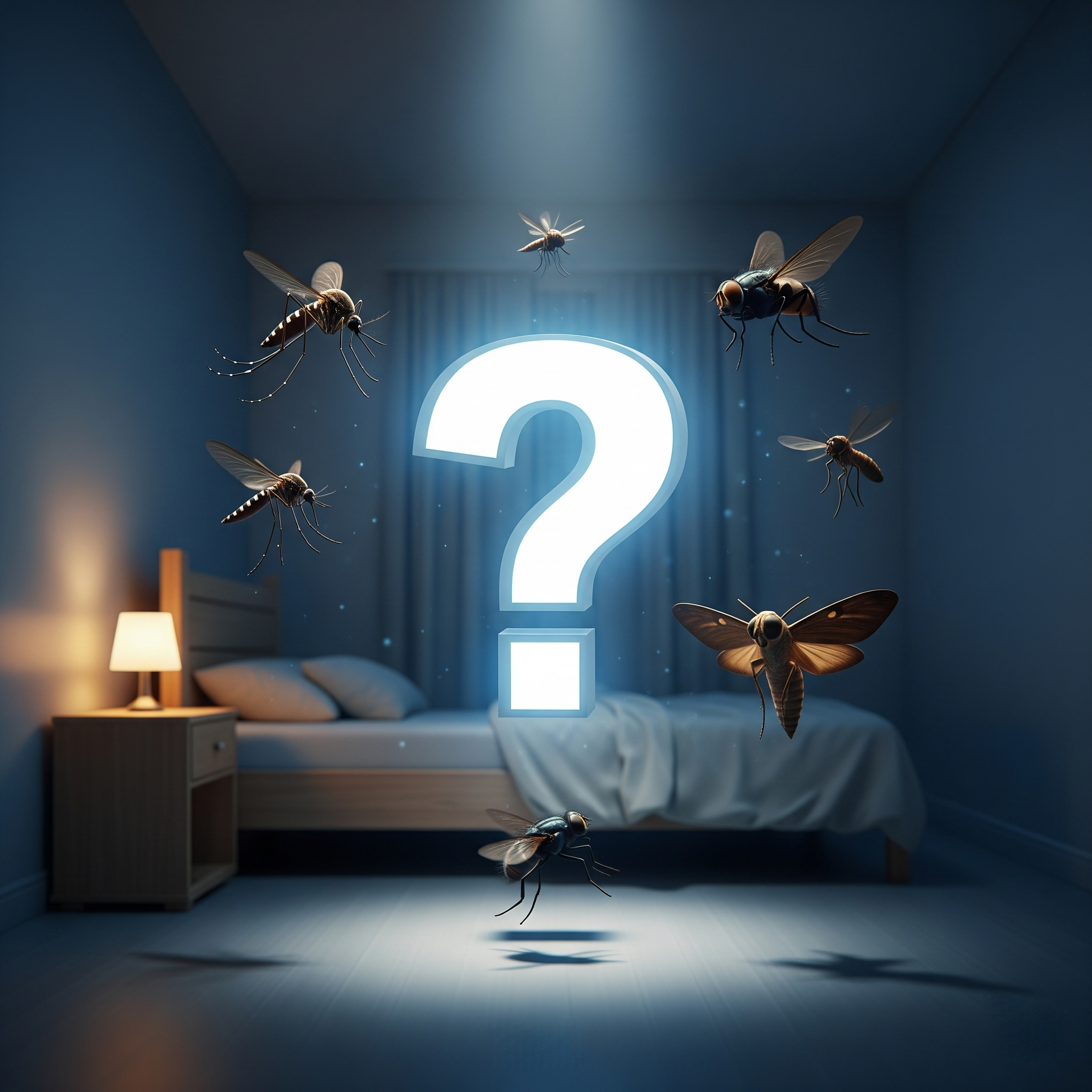
Have you ever been jolted awake in the middle of the night by the whirring sound of tiny wings buzzing around your head? Or perhaps you’ve spotted a small creature fluttering about as you settled down for a good book? If you’ve experienced either of these scenarios, you’re not alone! Let’s face it: flying insects can be an unwelcome surprise in our most personal space—our bedrooms. In this article, we’ll explore the common types of flying insects you might encounter, how to identify them, and most importantly, effective strategies to eliminate them. So, let’s dive in!
Before we identify and eliminate these pesky creatures, it’s essential to understand why they’re in your bedroom in the first place. Flying insects are typically attracted to:
Knowing the reasons behind their presence can help you take preventive measures.
Flies are perhaps the most common flying insects you’ll encounter indoors. Houseflies are attracted to food and waste, while fruit flies are drawn to overripe fruits and vegetables.
Identification:
Moths often appear in bedrooms, especially during warmer months. They are usually harmless but can be annoying, especially if they are pantry moths that infest food.
Identification:
Mosquitoes can invade your bedroom, especially during the warmer months or if you live near stagnant water sources.
Identification:
Gnats are small, pesky insects that can be especially annoying. They often breed in damp areas and can be found near houseplants.
Identification:
While less common indoors, wasps and bees can occasionally find their way into bedrooms, especially if windows or doors are left open.
Identification:
Once you’ve identified the flying insect, the next step is to locate the source. Here are some common areas to check:
Now that we’ve identified the flying insects and their sources, let’s discuss how to eliminate them from your bedroom.
Start by sealing any gaps around windows and doors. Use weather stripping or door sweeps to eliminate potential entry points.
Natural repellents can help deter flying insects without harsh chemicals. Here are some effective options:
Traps can be an effective way to catch flying insects:
If the infestation is severe, consider using insecticides specifically designed for indoor use. Always follow the instructions carefully and ensure proper ventilation.
If your home is heavily infested, it may be time to call pest control. Professionals can provide targeted treatments to eliminate the issue safely and effectively.
Once you’ve dealt with the current infestation, it’s crucial to implement preventive measures to keep flying insects from returning.
Establish a routine for cleaning your bedroom and other areas of your home. Regular vacuuming and dusting can help eliminate potential hiding spots.
If you have houseplants, regularly check them for pests and remove any dead leaves or debris that can promote insect growth.
Install screens on windows and doors to allow fresh air in while keeping insects out.
Using a dehumidifier can help reduce moisture levels in your home, making it less inviting for insects.
Flying insects can be an unwelcome presence in your bedroom, disrupting your peace and comfort. By understanding the common types of flying insects, identifying their sources, and implementing effective elimination and prevention strategies, you can reclaim your space. Remember, maintaining cleanliness and being proactive are your best defenses against these pesky intruders. So, take a moment today to inspect your surroundings and make your bedroom a bug-free sanctuary! Happy sleeping!