
Electronic traps work effectively since they emit electric pulses to immediately and humanely kill mice.
April 15, 2025
7 min read time
This information is reviewed by an independent pest control expert.
All external links are non-affiliated and for informational purposes only
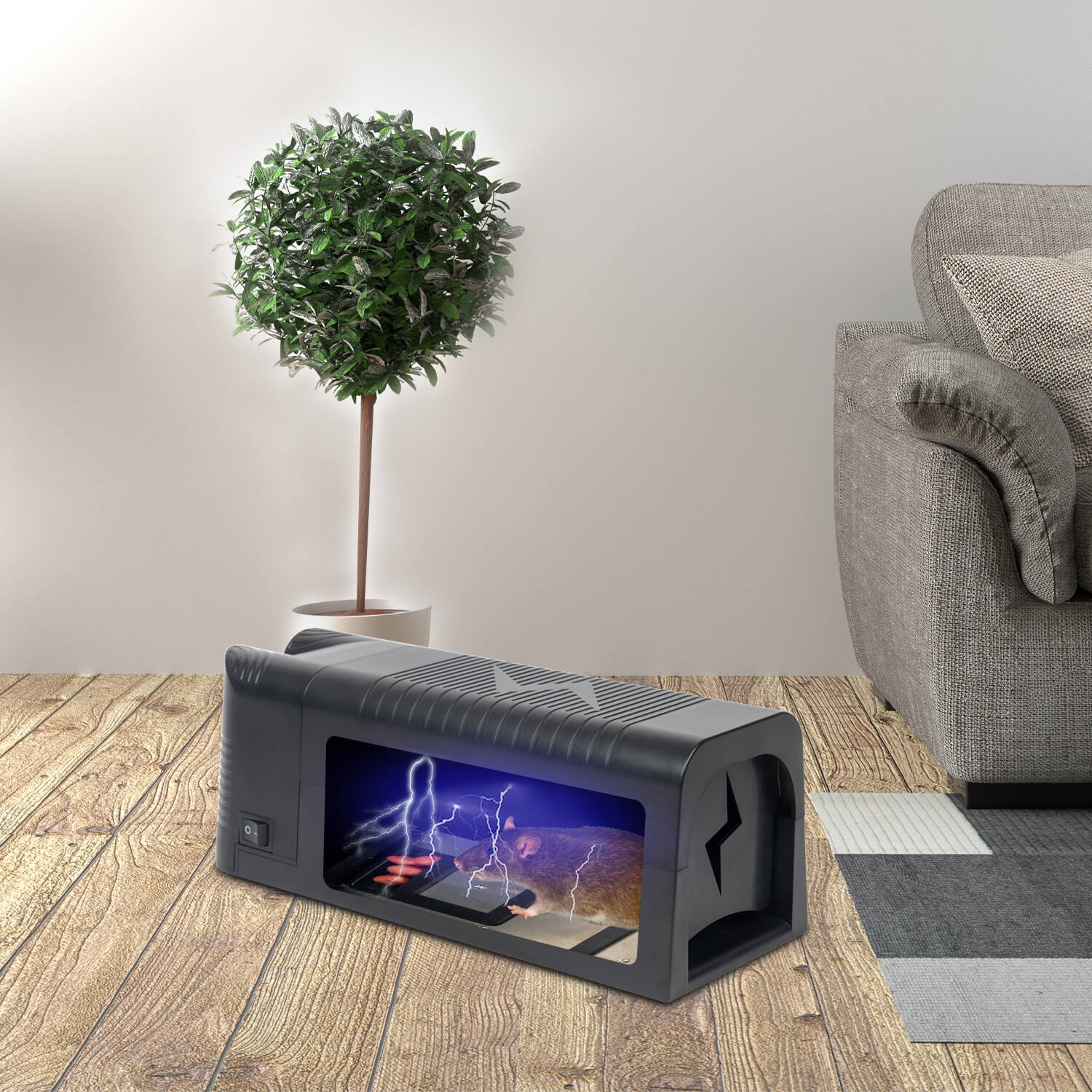
Imagine it’s late at night, and you hear that familiar scratching sound coming from the pantry. You’ve tried traditional traps, but they either didn’t work or left you feeling squeamish about the whole process. Enter the electronic mouse trap—a modern solution that promises a quick and humane way to deal with unwanted guests. So, how do these high-tech devices actually work? Let’s dive into the intriguing world of electronic mouse traps!
Before we delve into how these traps function, let’s define what they are. An electronic mouse trap is a device designed to catch and kill mice quickly and humanely using electric shock. Unlike traditional traps that rely on bait and physical barriers, electronic traps are powered by batteries and employ technology to detect and eliminate pests efficiently.
Now that we have a basic understanding of electronic mouse traps, let’s explore their inner workings.
The first step in the operation of an electronic mouse trap involves baiting. Most traps have a bait compartment where you can place food items that attract mice, such as peanut butter or seeds. The trap is designed to lure the mouse into the killing chamber without setting off any alarms—this is where the magic begins!
Once the mouse enters the trap, the detection mechanism kicks into gear. Most electronic traps utilize one of two primary detection methods:
After detection, the real action happens. The electronic trap sends a powerful yet quick electric shock through the metal plates inside the chamber. This shock typically ranges between 4,000 to 8,000 volts, which can kill a mouse in seconds.
Once the mouse is incapacitated, it remains inside the trap, contained within the chamber. This design not only keeps the dead mouse out of sight but also minimizes the risk of contamination in your home.
After you’ve checked the trap and disposed of the mouse, resetting it is a breeze. Most electronic traps come with a simple reset button, allowing you to prepare it for the next catch without hassle.
Electronic mouse traps are known for their efficiency in catching mice. They can quickly eliminate a rodent problem, making them a favorite among homeowners and pest control professionals alike.
These traps are often designed with the user in mind. Many models come with easy-to-follow instructions, making setup straightforward even for those who may not consider themselves handy.
Mice can carry numerous diseases, including hantavirus and leptospirosis. By using electronic traps, you minimize your exposure to potential health risks associated with handling traps that have caught mice.
While the initial investment for an electronic mouse trap may be higher than traditional traps, their reusability and effectiveness often make them more cost-effective in the long run.
Unlike some traditional pest control methods that involve poisons, electronic traps avoid the use of harmful chemicals entirely, making them a safer choice for households with children and pets.
With so many options available, selecting the right electronic mouse trap can be daunting. Here are some factors to consider:
Consider the size of the trap and how many mice it can catch at once. If you have a larger infestation, look for traps designed to handle multiple catches.
Most electronic traps run on batteries, but some models may offer rechargeable options. Check the battery life and whether the trap will notify you when batteries are running low.
Look for traps that are easy to clean and reset. Some models come with removable components that simplify the process, making it less of a chore for you.
If you have pets or small children, ensure the trap has adequate safety features to prevent accidental shocks.
Before purchasing, read reviews and seek recommendations from friends or online forums. Look for traps with a proven track record of effectiveness.
Maintaining your electronic mouse trap is crucial to ensure its longevity and effectiveness. Here are some tips:
Make it a habit to check the trap daily, especially if you live in an area prone to rodent infestations. This ensures you can quickly empty and reset the trap.
After disposing of a catch, clean the trap with soap and water to remove any residue. This helps maintain hygiene and attract future catches.
If you’re not using the trap for an extended period, store it in a dry, cool place to protect its electrical components.
Always refer to the user manual for specific maintenance and care instructions tailored to your model.
While electronic mouse traps are designed with safety features, it’s always best to place them in areas inaccessible to pets and small children. Consider using barriers or placing them inside cabinets if safety is a concern.
If your electronic trap is not catching mice, ensure that:
While some electronic traps may be suitable for outdoor use, it’s essential to check the manufacturer’s guidelines. Most are designed for indoor use to protect them from weather conditions.
In summary, electronic mouse traps are a modern, humane, and effective solution for dealing with rodent problems. Their ability to deliver a quick shock, combined with user-friendly designs and safety features, make them a popular choice for homeowners. By understanding how these traps work, the benefits they offer, and how to maintain them, you can take proactive steps to keep your home pest-free.
So, the next time you hear that ominous scratching, you’ll know exactly how to tackle the situation with confidence and ease. Happy pest control!