
The lights emitted from the zappers attract the insects, while the electrocution kills them. You can employ it in your home to kill any insect like a mosquito
April 14, 2025
6 min read time
This information is reviewed by an independent pest control expert.
All external links are non-affiliated and for informational purposes only
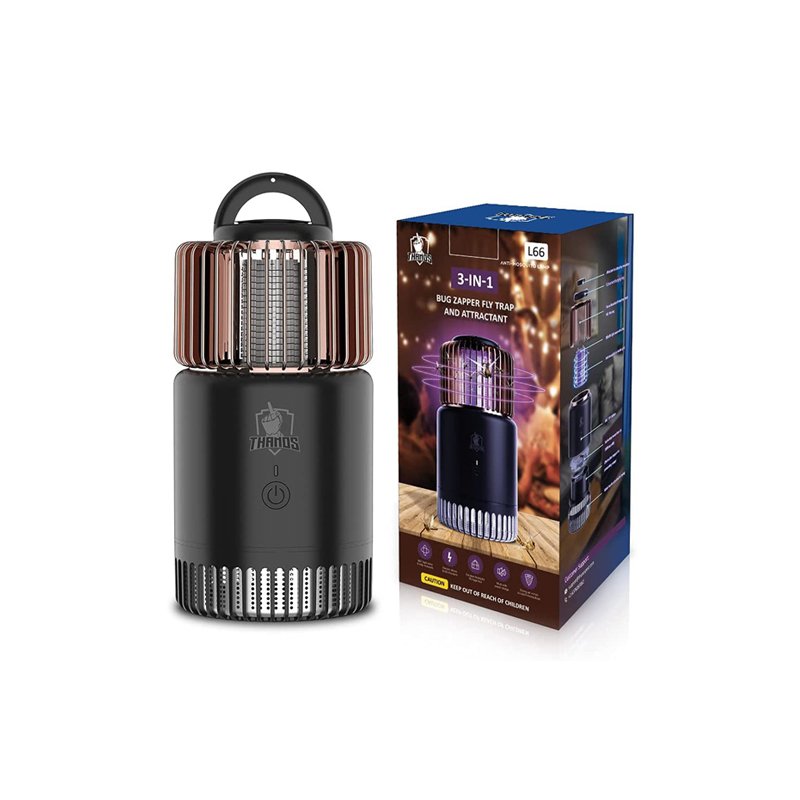
As the sun sets and the stars begin to twinkle, there’s nothing quite like enjoying a peaceful evening outdoors. However, the tranquility can quickly dissolve when mosquitoes and other pesky bugs invade your space. Enter the bug zapper: a device that promises to rid your outdoor area of unwanted insects while you relax in comfort. But how exactly does a bug zapper work? In this comprehensive guide, we’ll explore the science behind these buzzing devices, their types, effectiveness, and tips for using them effectively.
A bug zapper is a device designed to attract and kill flying insects, particularly mosquitoes, flies, and other annoying pests. Most commonly used in backyards, patios, and campsites, bug zappers utilize light and electric grids to lure insects and eliminate them. They come in various designs, from portable units to larger outdoor installations, and are typically easy to maintain.
Understanding how a bug zapper operates requires a closer look at its two primary functions: attracting bugs and killing them. Let’s dive into the details!
The first step in the bug-zapping process is attracting insects. Bug zappers use one or more of the following methods:
Once the bugs are drawn close to the zapper, they encounter the electric grid. Here’s how it works:
Bug zappers come in various types, each designed to cater to different needs and preferences. Here are the most common types you’ll encounter:
The traditional electric bug zapper is the most widely used. It operates using a plug-in power source and is effective for outdoor spaces. Most models feature UV lights and high-voltage grids, making them a popular choice for homeowners.
For those looking for an eco-friendly option, solar-powered bug zappers are an excellent choice. These devices harness solar energy during the day to power their lights and grids at night. They are portable, energy-efficient, and perfect for camping trips or remote areas without electricity.
Some bug zappers focus solely on UV light attraction and may not include an electric grid. These devices can trap insects in sticky traps or use a vacuum mechanism. They are often quieter and can be more discreet in appearance, making them suitable for indoor use.
While bug zappers can be effective, their efficiency varies based on several factors:
To get the most out of your bug zapper, consider these best practices:
Despite their benefits, it’s essential to recognize the limitations of bug zappers:
In summary, bug zappers are a fascinating and useful tool for managing outdoor pests. By understanding how they work—through attraction and electric grids—you can make informed decisions about their use. Whether you opt for a traditional electric model or a solar-powered version, these devices can help create a more enjoyable outdoor experience.
While they have their limitations, combining them with other pest control strategies can help you reclaim your backyard from pesky invaders. So, the next time you fire up the grill or settle in for an evening of stargazing, consider turning on your bug zapper to keep those unwelcome guests at bay. Happy zapping!
Latest Comments Click to leave a comment