
The work time frame of mouse traps depends on various factors. The first and foremost decisive factor is the way you have set mouse traps.
April 14, 2025
6 min read time
This information is reviewed by an independent pest control expert.
All external links are non-affiliated and for informational purposes only
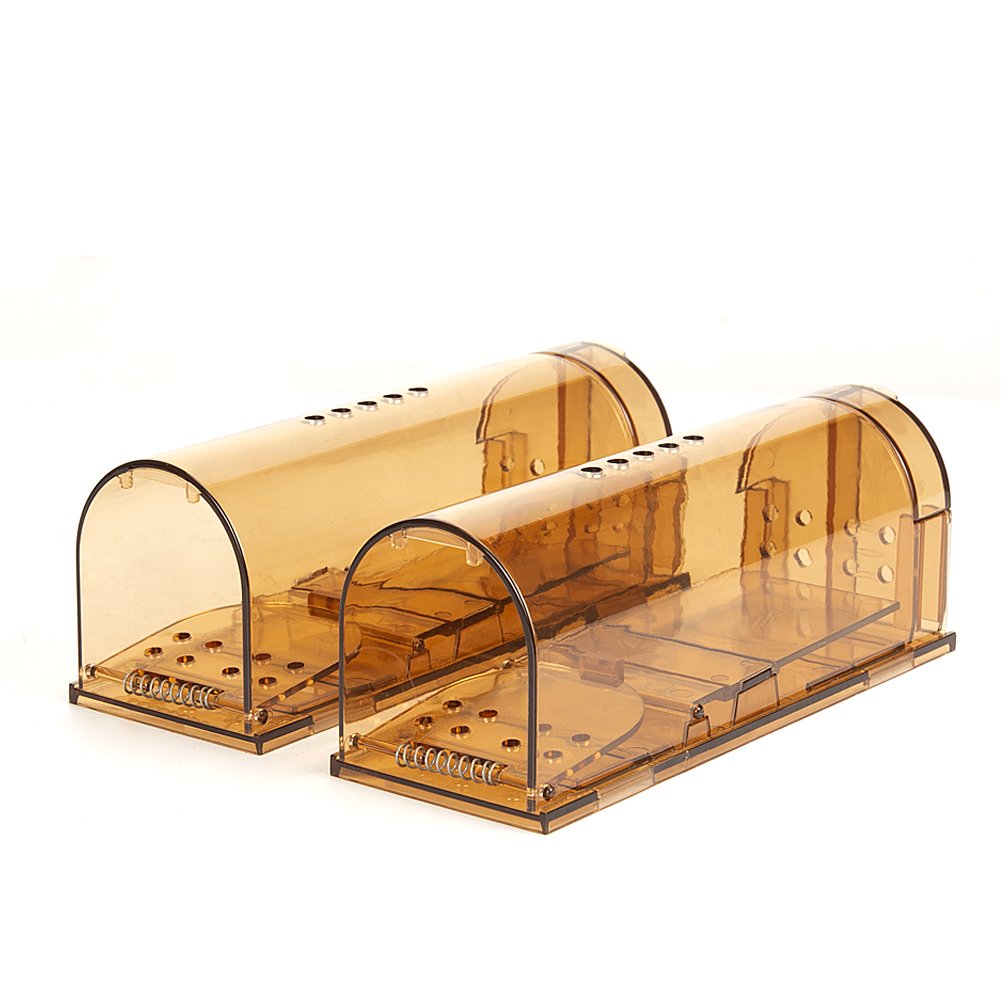
If you’ve ever found yourself face-to-face with a mouse scurrying across your kitchen floor, you know the feeling of panic that can set in. Mice are not only a nuisance but can also pose health risks and cause damage to your home. Thankfully, mouse traps are a tried-and-true method of dealing with these little intruders. But one question often lingers: how long before a mouse trap works?
In this article, we’ll dive deep into the workings of mouse traps, explore how quickly they can eliminate a rodent problem, and offer tips to maximize their effectiveness. Let’s get started!
Before we can answer the question about the effectiveness of mouse traps, we need to understand the various types available. Each type works differently and has its own time frame for catching mice.
Understanding how a mouse trap works can help you set them up effectively. Here’s a quick breakdown of the mechanisms:
The effectiveness of a mouse trap can vary based on several factors. Let’s break it down:
Snap traps are known for their quick effectiveness. When set correctly with enticing bait, they can catch and kill a mouse within minutes to hours. Here’s what influences their effectiveness:
Glue traps can take longer to work, often requiring hours to several days to catch a mouse, depending on the mouse’s behavior and environmental factors:
Electronic traps typically provide instant results. When a mouse enters the trap, it’s zapped with a lethal shock. Here’s what to consider:
Live catch traps can take anywhere from hours to weeks to work, depending on the following factors:
Understanding the factors that influence how quickly a mouse trap works can make a significant difference in your pest control efforts. Here are some things to keep in mind:
To maximize the effectiveness of your mouse traps, follow these key tips:
Before setting up any trap, read the instructions thoroughly. Each type of trap has specific guidelines for optimal use.
Mice are social creatures, and if you see one, there’s a good chance there are more nearby. Setting multiple traps increases your chances of a quick catch.
Regularly inspect your traps (at least once a day) to see if any mice have been caught and to reset traps as needed.
If using snap traps or glue traps, be prepared to dispose of the caught mice humanely and in accordance with local regulations.
In conclusion, the time it takes for a mouse trap to work can vary significantly based on the type of trap, bait, placement, and environmental factors. While snap traps can deliver quick results, glue traps may require more patience, and live catch traps can take the longest.
By understanding how each trap works, strategically placing them, and using effective bait, you can significantly reduce the time it takes to deal with your mouse problem. Remember, patience and persistence are key when embarking on your mouse-catching journey.
So, whether you’re dealing with a minor mouse problem or gearing up for a larger infestation, following these tips will help ensure your traps work effectively and swiftly. Happy trapping!
Q: Can I reuse a mouse trap?
A: Generally, yes for snap and electric traps, but it’s advised to thoroughly clean them.
Q: How many traps should I set?
A: The more, the merrier. Multiple traps increase your chances of catching mice quickly.
10 more replies
Sorry, no posts matched your criteria.
For real-world questions from other homeowners, see the related forum discussion: How long before mouse trap works?. If you are comparing current Thanos product options, see Thanos electric mouse trap.


What factors affect how quickly a mousetrap works?
Factors that can affect the efficiency of a mousetrap include the type of trap, the bait selection, the placement of the trap, the size of the mouse population, and the familiarity of the mice with the trapped area.
What are the different types of mousetraps available?
Common types of mousetraps include snap traps, electric traps, live catch traps, glue traps, and multiple catch traps, each with its own mechanism for capturing mice.
Where should I place mousetraps in my home for the best results?
Mousetraps should be placed along walls, behind objects, and in dark corners where mouse activity is suspected. Mice usually run along edges, so positioning traps along their paths increases the chances of capture.
Is there a way to increase the chances of my mousetrap working faster?
Yes, you can increase your chances by using appealing bait, placing traps in high-traffic areas, and ensuring there are no alternative food sources for the mice.
Are there any safety concerns I should be aware of when using mousetraps?
Absolutely. When setting traps, be cautious to avoid injuring yourself or others. Keep traps away from pets and children, and consider using enclosed traps if pets or children are present in the home.