
flea traps can be an effective tool in your battle against fleas, but they are not a standalone solution.
July 8, 2025
6 min read time
This information is reviewed by an independent pest control expert.
All external links are non-affiliated and for informational purposes only
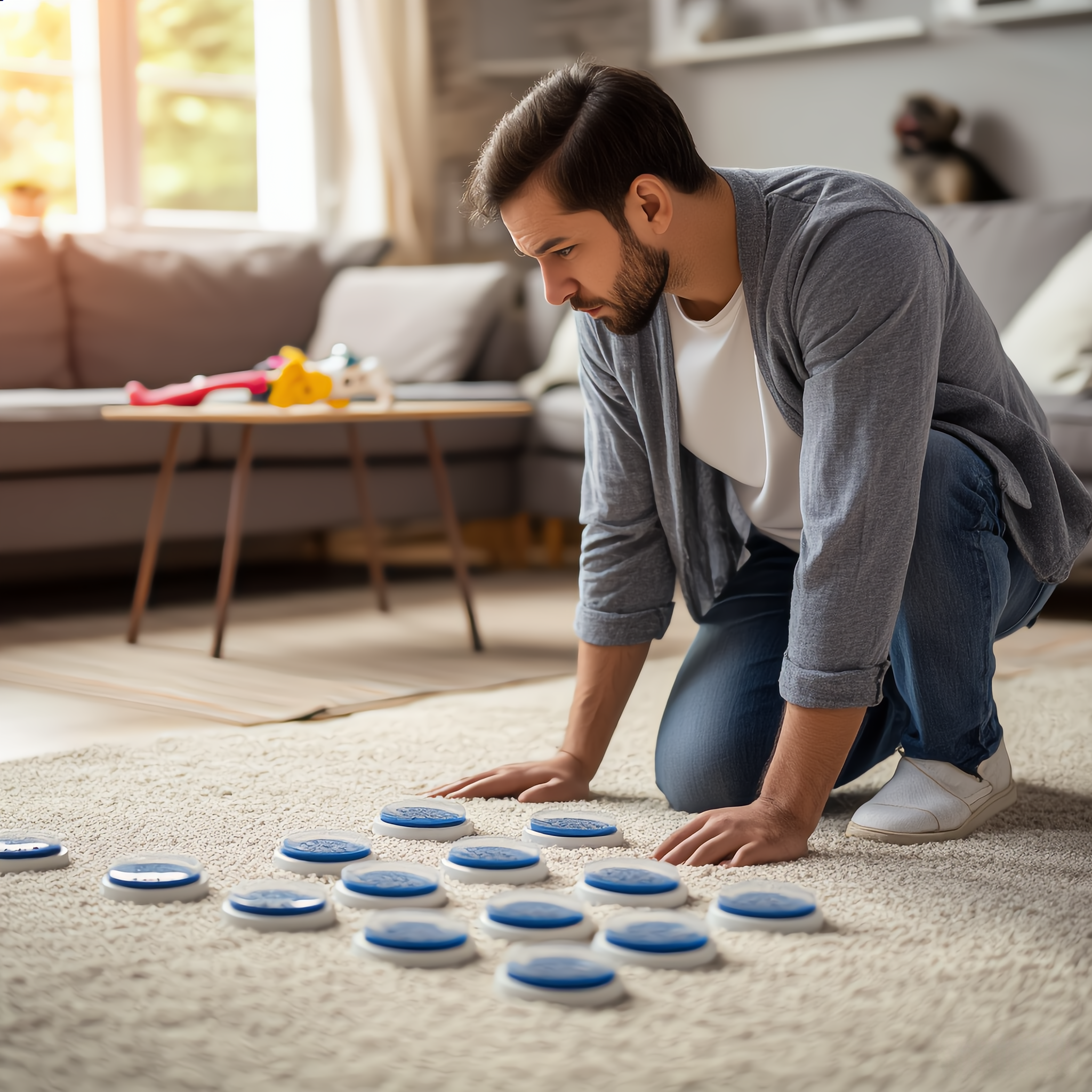
Fleas can be an unwelcome guest in any home. These tiny, pesky pests can make life miserable for both you and your pets. If you’ve noticed fleas hopping around your living space, you might be wondering about flea traps and how long they take to work. In this article, we’ll dive deep into the world of flea traps, exploring their effectiveness, how they work, and what you can expect in terms of time.
Before we tackle the question of how long flea traps take to work, it’s essential to understand a bit about fleas themselves.
Fleas are small, wingless insects that belong to the order Siphonaptera. They are well-known for their ability to jump long distances relative to their body size, which helps them move between hosts. Fleas feed on the blood of mammals and birds, and they are particularly notorious for infesting pets like cats and dogs.
Fleas have a complex lifecycle that includes four stages:
Understanding this lifecycle is crucial because it not only explains why fleas can be so persistent but also highlights why traps can be an effective part of a broader flea control strategy.
Flea traps are devices designed to capture adult fleas. They usually consist of a sticky surface and a light source that attracts fleas. As the fleas jump towards the light, they land on the sticky surface and become trapped.
There are two main types of flea traps:
Now, let’s get to the crux of your question: how long do flea traps take to work? The answer is not straightforward and can vary based on several factors.
You may start to notice fleas in the trap within a few hours of setting it up. However, the number of fleas caught will depend on the infestation level and how well the trap is positioned.
Within the first few days, you should see a significant number of fleas being captured. This is particularly true if you have a moderate infestation and the trap is located in an area frequented by your pets.
For more severe infestations, it can take a couple of weeks to see a substantial reduction in the adult flea population. While traps will help reduce the number of adult fleas, they won’t eliminate the entire population because they don’t target the eggs or larvae.
Several factors can influence how quickly flea traps work:
To get the most out of your flea traps, consider these best practices:
Place traps in areas where your pets spend the most time. Common spots include:
If you have a large area to cover, using multiple traps can be more effective. This will increase the likelihood of catching more fleas.
Regularly vacuum your home to remove flea eggs, larvae, and pupae. This will make it easier for the traps to do their job by reducing the overall flea population.
Check the traps daily and replace the sticky pads as needed. This will ensure they remain effective.
Consider using flea treatments for your pets and treating your home and yard for fleas. This comprehensive approach will help break the flea lifecycle.
While flea traps can be effective, they are just one piece of the puzzle. Here are some alternative methods to consider:
Flea collars can provide a protective barrier for your pets. They release chemicals that repel or kill fleas.
Topical treatments are applied directly to your pet’s skin and can effectively kill fleas on contact.
Flea sprays can be applied to carpets and furniture to kill fleas on contact and provide residual protection.
In severe cases, hiring a professional pest control service can be the most effective solution. They have access to stronger treatments and can help ensure your home is flea-free.
In summary, flea traps can be an effective tool in your battle against fleas, but they are not a standalone solution. While you may start to see results within a few hours, significant reductions in the flea population can take one to two weeks, especially if combined with other treatments. Remember to keep your home clean, use multiple traps, and consider other methods for comprehensive flea control.
By understanding how flea traps work and implementing these best practices, you’ll be well on your way to reclaiming your home from those pesky pests. So, arm yourself with knowledge, set up those traps, and soon you’ll be able to enjoy a flea-free environment once again!