
By understanding wasp behavior, selecting the right trap, and placing it effectively, you can create a wasp-free zone for your summer activities.
July 25, 2025
5 min read time
This information is reviewed by an independent pest control expert.
All external links are non-affiliated and for informational purposes only
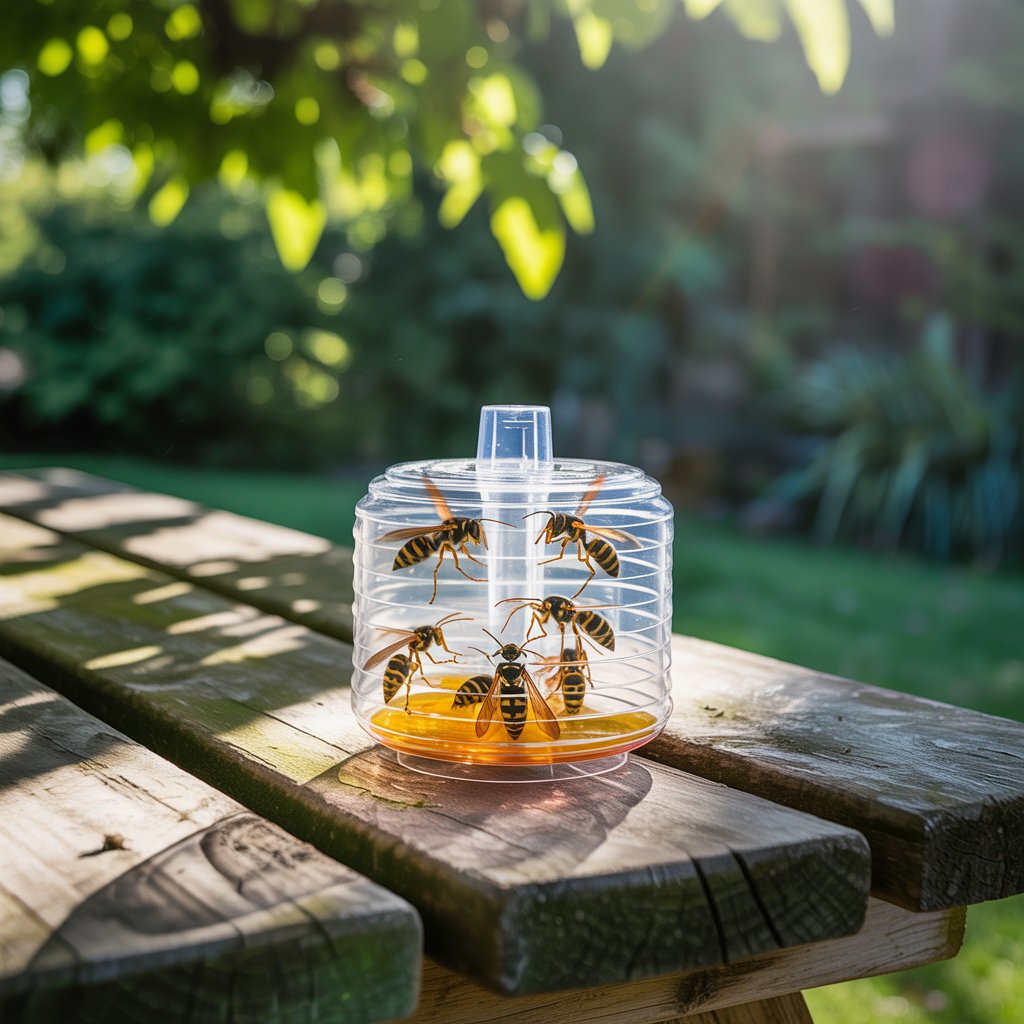
Ah, summer! The sun is shining, the flowers are blooming, and the outdoor barbecues are in full swing. But just when you think everything is perfect, those pesky wasps make their grand entrance. Whether it’s a picnic in the park or a relaxing evening on your patio, wasps can quickly turn a delightful day into a buzzing nightmare. If you’ve found yourself asking, “How long does a wasp trap take to work?”, you’re in the right place!
In this comprehensive guide, we’ll dive into the world of wasp traps, how they function, the time it takes for them to work, and some handy tips to make your outdoor experience as enjoyable as possible. So, let’s get started!
Before we tackle the timing of wasp traps, let’s take a moment to understand why wasps are drawn to our outdoor spaces in the first place. Wasps are not just annoying; they’re also opportunistic creatures. Here are some reasons they might invade your backyard:
Not all wasps are created equal. Understanding the type of wasps you’re dealing with can help you choose the most effective trap. Here are the common types:
A wasp trap is a device designed to lure and capture wasps. They come in various forms, including:
Most wasp traps use a combination of scent and color to attract wasps. The traps usually include a bait that draws the wasps in, where they get stuck and can’t escape.
Wasp traps can begin to show results within 24 hours, depending on several factors:
If you’re wondering how long it will take for your trap to significantly reduce the wasp population, you can expect to see a noticeable decline within three to four days. Here’s a breakdown of the timeline:
While traps can be very effective, several factors can influence how quickly they work:
Selecting the appropriate trap is essential. Here’s what to consider:
While traps are effective, there are alternative methods to keep wasps at bay:
Certain scents repel wasps. Here are a few natural options:
If your wasp problem is severe, it may be best to contact a pest control professional. They can safely remove nests and help prevent future infestations.
In summary, wasp traps can start working within 24 hours, with significant results often seen within three to four days. By understanding wasp behavior, selecting the right trap, and placing it effectively, you can create a wasp-free zone for your summer activities. Remember to monitor your traps regularly and maintain a clean outdoor space to keep these pests at bay.
So, whether you’re planning a picnic or just want to enjoy the great outdoors, knowing how to manage wasps can make all the difference. With the right strategies in place, you can reclaim your space and enjoy a summer free from buzzing interruptions! Happy outdoor living!