
Identification is the key to understanding whether it’s a minor issue or a larger problem.
May 25, 2026
4 min read time
This information is reviewed by an independent pest control expert.
All external links are non-affiliated and for informational purposes only
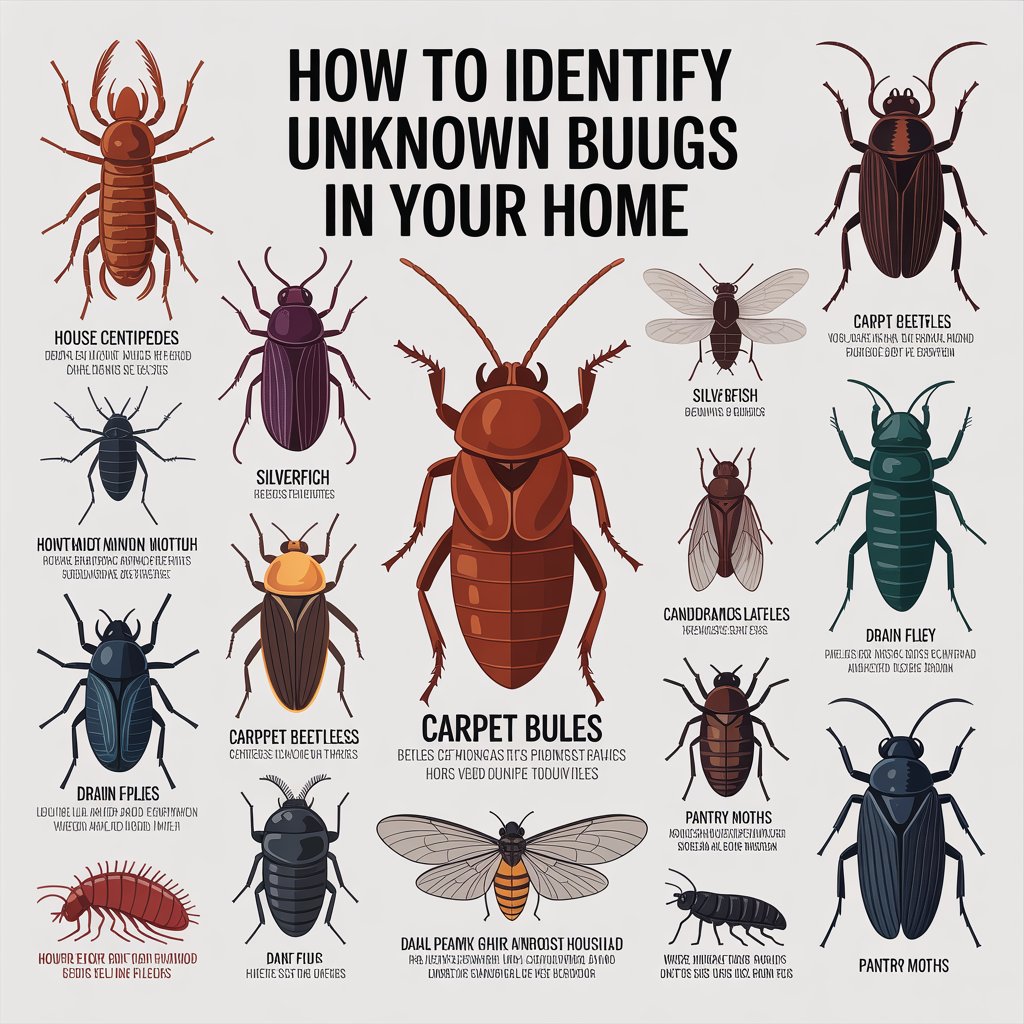
You notice a small bug crawling across the floor, wall, or countertop.
You stop and stare for a second, trying to figure out what it is.
Is it harmless?
Is it something dangerous?
Could it mean there are more hiding somewhere?
For many homeowners, the most frustrating part isn’t even the bug itself—it’s not knowing what they’re dealing with.
And without proper identification, it’s easy to:
In this guide, we’ll break down how to identify unknown bugs found in your home, what clues matter most, and how to narrow down what type of pest you may actually be seeing.
Not every bug inside your home is automatically a major infestation.
Some insects wander indoors accidentally. Others are signs of larger hidden activity.
The challenge is knowing the difference.
That’s why identification matters so much.
Because treating the wrong pest often leads to wasted effort—and recurring problems.
The first clue is usually physical appearance.
Pay attention to:
Even small details can help narrow down the possibilities significantly.
For example:
Location often provides important clues.
Different pests prefer different environments.
May indicate:
Could suggest:
Often attract:
May indicate:
Where you find the bug can be just as important as what it looks like.
Behavior is another major clue.
Ask yourself:
For example:
Many bugs look similar at first glance.
Some common mix-ups include:
This is why relying on assumptions alone can lead to incorrect treatment.
Sometimes bugs appear seasonally or unexpectedly.
Common reasons include:
Not every sighting means a serious infestation—but repeated activity should be monitored.
Certain signs suggest the issue may be larger than a random bug sighting.
Pay closer attention if you notice:
These signs often indicate an ongoing pest problem rather than an isolated insect.
If you can’t identify the bug right away:
Lighting and close-up detail help significantly.
Avoid immediately spraying or discarding evidence if the problem repeats.
Look for:
For recurring or unclear infestations, professional inspection may help prevent misdiagnosis and unnecessary treatments.
Finding an unknown bug in your home can feel unsettling—but identification is the key to understanding whether it’s a minor issue or a larger problem.
The more attention you pay to:
…the easier it becomes to narrow down what you’re dealing with.
Because in pest control, the most effective solution almost always starts with one thing:
? Correct identification.