
Discover effective steps to safely remove mouse trap glue from your cat's fur. Our guide provides essential tips, recommended products, and preventive measures to keep your feline friend safe.
August 14, 2024
3 min read time
This information is reviewed by an independent pest control expert.
All external links are non-affiliated and for informational purposes only
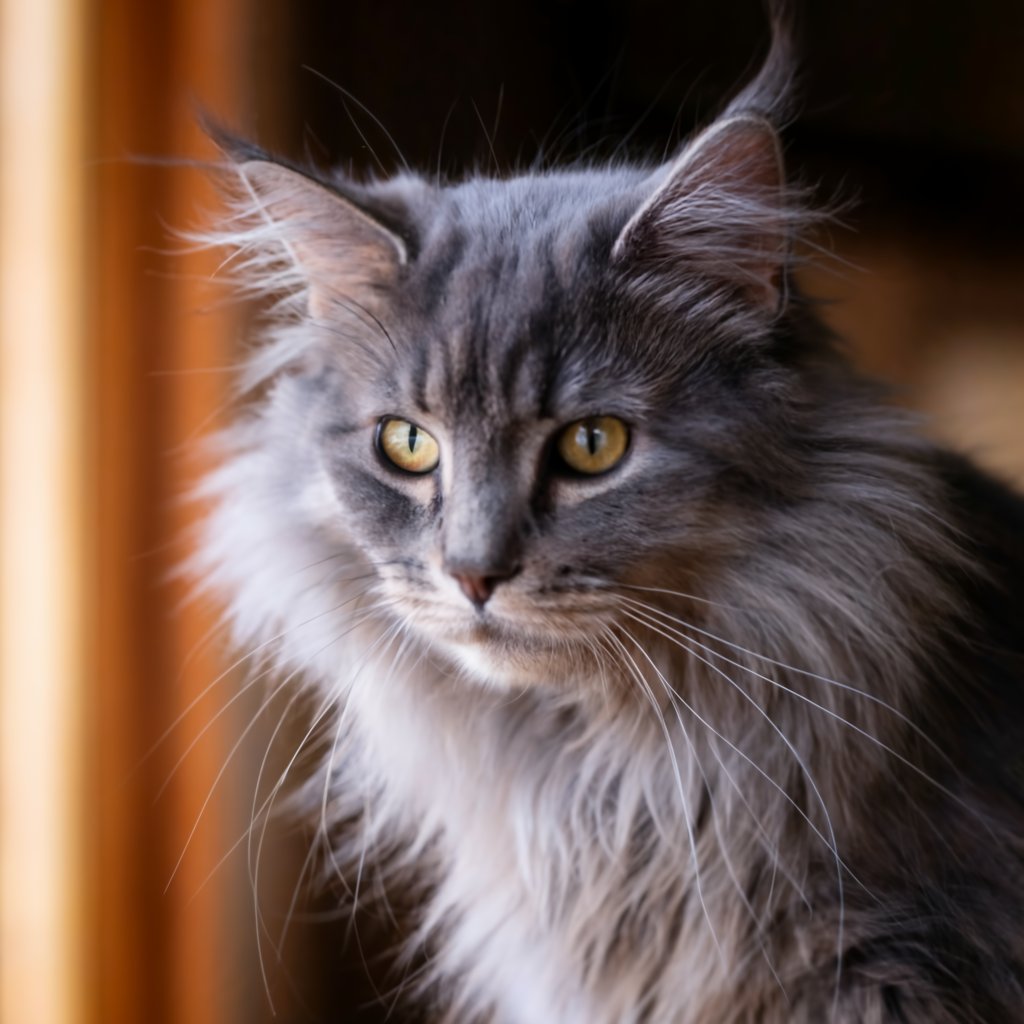
Having a cat come into contact with mouse trap glue can be a distressing situation for both the pet and the owner.
Whether it’s an innocent curiosity or a moment of mischief, it’s essential to know how to handle the situation with care.
In this article, we’ll guide you through the process of safely removing mouse trap glue from your cat’s fur, including helpful tips and recommended products.
Cats are naturally curious creatures, and this curiosity can sometimes lead them to sticky situations—quite literally!
Mouse trap glue is designed to trap rodents quickly, but unfortunately, it can also ensnare our beloved pets.
It’s crucial to act swiftly, as the adhesive can cause discomfort and distress to your feline friend.
Before you begin the removal process, take a moment to prepare both yourself and your cat:
To successfully remove the glue, you’ll need a few essential items:
Start by applying a generous amount of mineral oil or baby oil to the glued area.
Use your fingers or a cotton ball to massage the oil into the fur.
This helps to break down the adhesive properties of the glue, making it easier to remove.
Once the glue has been sufficiently lubricated, take the fine-toothed comb and gently work through the affected fur.
Start at the edges of the glue and slowly move towards the center.
Be patient and avoid yanking on the fur to prevent discomfort.
After successfully removing the glue, it’s time to clean your cat’s fur.
Use a mild dish soap mixed with water to wash the area.
Gently lather the soap and rinse thoroughly with warm water.
After cleaning the affected area, monitor your cat for a few hours to ensure there are no signs of irritation or distress.
If your cat seems uncomfortable, consider applying a pet-safe conditioner to help soothe the skin.
To prevent future incidents, consider the following tips:
If you find that the glue removal process is not going well, or if your cat shows signs of distress—such as excessive licking, crying, or visible irritation—it’s best to consult your veterinarian.
They can provide professional assistance and ensure your cat’s safety.
Removing mouse trap glue from your cat’s fur doesn’t have to be a panic-inducing experience.
By following these steps and remaining calm, you can help your feline friend recover quickly.
If you have any tips or experiences to share, please leave a comment below!
Latest Comments Click to leave a comment