
By understanding the problem, taking preventive measures, and fostering good communication with your neighbors, you can significantly reduce the risk of pests invading your home.
February 25, 2026
6 min read time
This information is reviewed by an independent pest control expert.
All external links are non-affiliated and for informational purposes only
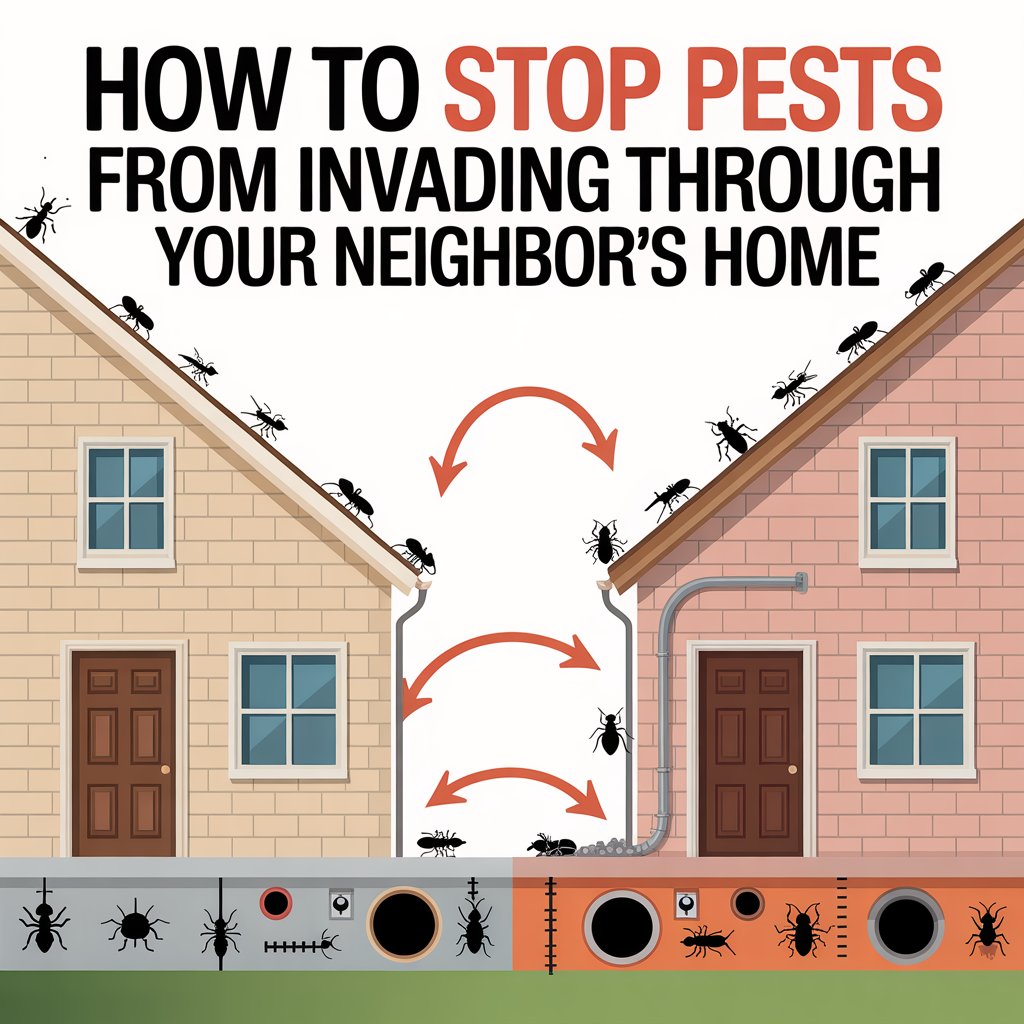
Have you ever noticed a sudden surge of pests in your home and wondered where they came from? You might be surprised to learn that the issue could be lurking just next door! Pests like ants, rodents, and cockroaches often travel between homes, making it crucial to understand how to protect yourself and your home from these unwanted invaders. In this article, we will explore effective strategies to stop pests from invading through your neighbor’s home, ensuring your peace of mind and a pest-free environment.
Pests are more than just a nuisance; they can carry diseases, cause structural damage, and lead to costly repairs. A pest problem can quickly escalate if not addressed, particularly when homes are in close proximity. Understanding how pests invade can help you take the necessary steps to prevent them from entering your home.
Most pests reproduce quickly, meaning that a small infestation can become a significant problem in no time. Understanding their lifecycle can empower you to take preventive measures effectively.
Recognizing these stages can help you identify potential problems before they escalate.
Your home is only as strong as its weakest link when it comes to pest control. If your neighbor has a pest problem, it can easily spill over into your home.
Many pests, like ants and rodents, travel between homes through shared walls, attics, and basements. This is particularly true in apartment complexes or townhouses, where structures are closely aligned.
Pest control is a community effort. If one home in your neighborhood has a pest issue and it’s not addressed, it can lead to an infestation that affects multiple homes.
To effectively combat pests, it’s important to know which ones you might face. Here’s a list of some common culprits:
Understanding these pests will help you identify potential issues and take preventive measures.
While you can’t control your neighbor’s actions, you can take steps to ensure your home is as pest-proof as possible.
Sealing entry points is one of the most effective ways to prevent pests from entering your home.
Pests are attracted to food and clutter. Keeping your home clean can significantly reduce the chances of an infestation.
Your yard can either attract or deter pests. Here are some landscaping tips to keep in mind:
It’s essential to engage your neighbors in discussions about pest control. Good communication can lead to a collective effort in keeping pests at bay.
Start by having casual conversations with your neighbors about pest issues. If you notice a problem, approach them kindly and discuss the potential risks.
If you have effective pest control strategies that work for you, share them!
When neighbors cooperate, the chances of a pest-free neighborhood increase. Here are some strategies:
Consider starting a neighborhood pest watch group. This informal group can keep an eye out for signs of pests and alert each other when necessary.
Organize community clean-up days focused on reducing pest habitats and breeding grounds.
If you or your neighbors are dealing with a significant pest problem, it may be time to call in the experts.
When selecting a pest control service, look for:
Dealing with pests can be frustrating, especially when they invade from neighboring homes. However, by understanding the problem, taking preventive measures, and fostering good communication with your neighbors, you can significantly reduce the risk of pests invading your home. Remember that pest control is a community effort, and working together can lead to a healthier, more enjoyable living environment for everyone.
By following the tips in this guide, you can take proactive steps toward a pest-free home, keeping your space safe and comfortable for you and your family. Don’t wait for pests to invade—act now to protect your home!