
By observing wasp activity, recognizing the signs of a nest, and taking appropriate action, you can keep your outdoor space enjoyable.
January 3, 2026
7 min read time
This information is reviewed by an independent pest control expert.
All external links are non-affiliated and for informational purposes only
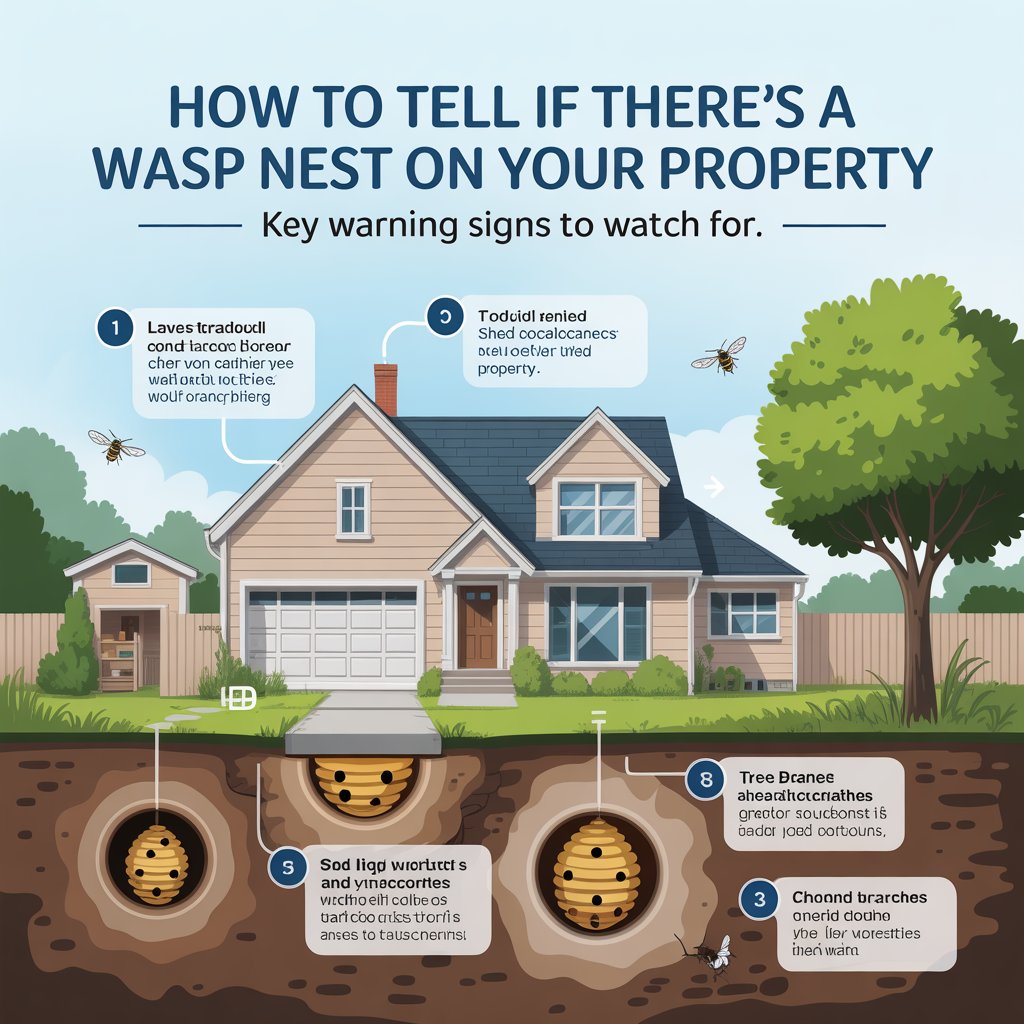
Have you ever been enjoying a sunny afternoon in your backyard, only to be interrupted by the buzzing of wasps? If so, you might be wondering if there’s a wasp nest lurking somewhere nearby. Wasps can be beneficial insects, helping control pests, but they can also pose a threat, especially if their nest is close to your home. Knowing how to identify a wasp nest can save you from painful stings and unwanted surprises. In this article, we’ll explore how to tell if there’s a wasp nest on your property, what to do if you find one, and how to prevent them from returning.
Wasps are flying insects that belong to the order Hymenoptera, which also includes bees and ants. Unlike bees, which are generally hairy and used for pollination, wasps have smooth bodies and are more aggressive. There are two main types of wasps: social and solitary. Social wasps, like yellowjackets and paper wasps, live in colonies and build nests, while solitary wasps typically do not.
Wasps build nests primarily for reproduction. The queen wasp lays eggs in the nest, and the worker wasps care for the larvae. The nests serve as both a home and a nursery for the developing wasps. Understanding their nesting behavior can help you identify if they’re present on your property.
One of the most apparent signs of a wasp nest is an increase in wasp activity in your yard or around your home. If you notice:
If you suspect there’s a nest on your property, look for the nest itself. Here are some characteristics to help you identify it:
Sometimes, you can hear wasps before you see them. If you listen closely, you may hear:
If you find chewed wood fibers or paper-like material around your property, it could be a sign that wasps are building a nest nearby. Look for:
If you suspect a wasp nest but can’t see it, here are some steps to help you locate it:
As mentioned earlier, wasps tend to return to the same location. Spend some time watching them to see where they are coming from and going to. Follow their flight path carefully, but keep a safe distance.
Most wasps are less active at night. If you’re feeling brave and want to locate the nest, use a flashlight to search for it after dark. Be very cautious and wear protective clothing, as wasps can become agitated if disturbed.
Focus your search in areas where wasps are likely to build nests, such as:
Before taking any action, assess how close the nest is to your home and how many wasps are present. If the nest is small and far from high-traffic areas, you might consider leaving it alone, especially since wasps generally die off in the fall.
If the nest is large, close to your home, or if you’re allergic to wasp stings, it’s best to call a pest control professional. They have the expertise and equipment to safely remove the nest without putting you at risk.
If you decide to remove the nest yourself, take extreme caution. Here are some tips for safe removal:
After you’ve removed the nest, keep an eye on the area for any returning wasps. If you notice any activity, it may indicate that new wasps are trying to build a nest. Consider taking preventive measures to deter them.
Once you’ve dealt with a wasp nest, it’s essential to take steps to prevent them from returning to your property. Here are some effective strategies:
Inspect your home for any cracks or openings that could serve as entry points for wasps. Seal these gaps with caulk or other appropriate materials.
Wasps are attracted to food, particularly sugary substances. To minimize their presence:
Certain plants can help deter wasps. Consider planting:
These plants emit scents that wasps dislike, making your yard less appealing to them.
Wasps are territorial and may be deterred by the presence of decoy nests. Hang a fake wasp nest in your yard to discourage them from building nearby.
Identifying and managing wasp nests on your property is essential for your safety and comfort. By observing wasp activity, recognizing the signs of a nest, and taking appropriate action, you can keep your outdoor space enjoyable. Remember, if you’re ever in doubt or feel unsafe, it’s always best to consult with a professional pest control service.
By following the tips outlined in this article, you’ll be well-equipped to handle any wasp-related issues and enjoy your outdoor spaces worry-free. So, keep your eyes peeled, and don’t let those pesky wasps ruin your summer fun!