
If you notice any signs of pests, act quickly to avoid costly infestations.
January 19, 2026
6 min read time
This information is reviewed by an independent pest control expert.
All external links are non-affiliated and for informational purposes only
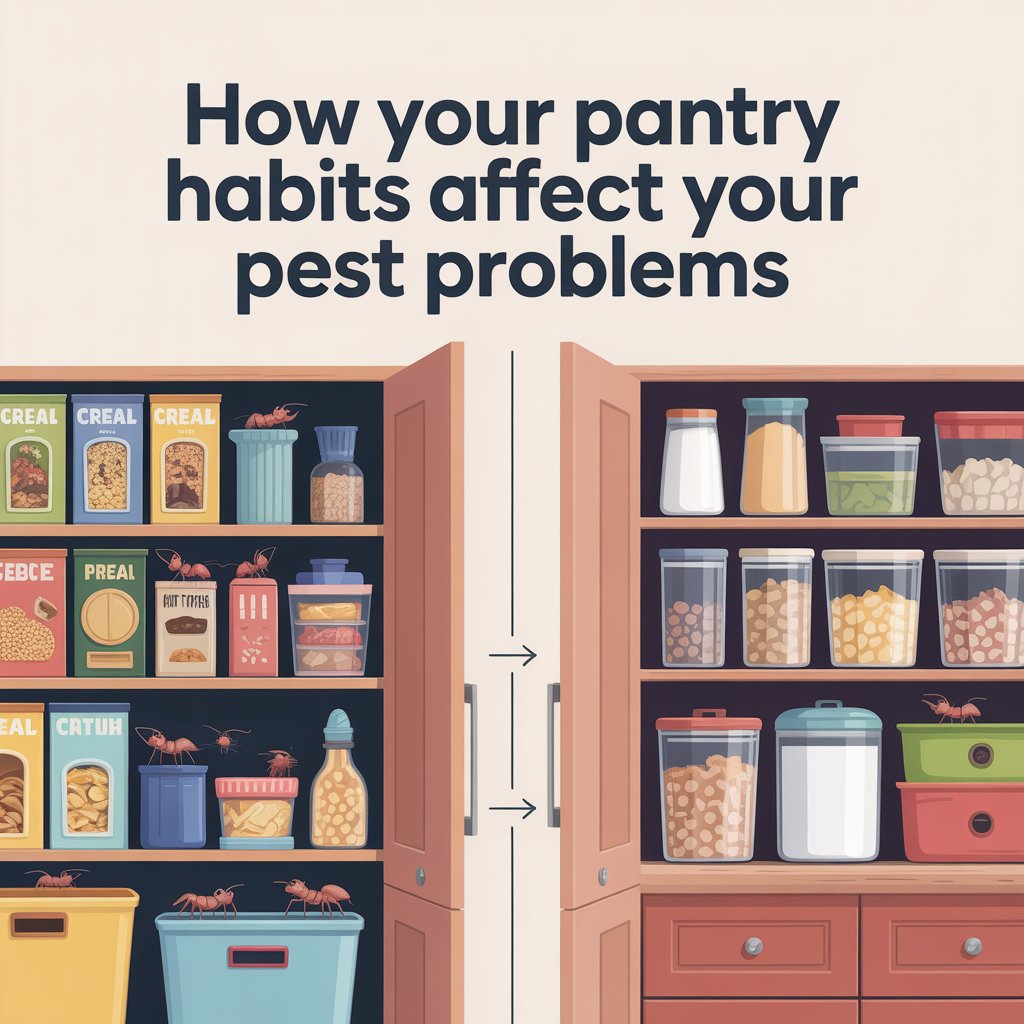
Have you ever opened your pantry only to find tiny creatures scurrying away from your favorite snacks? If so, you’re not alone! Many homeowners face pest problems, especially in their kitchens. But did you know that your pantry habits play a crucial role in attracting or repelling these unwanted guests? In this article, we’ll explore how your food storage practices can lead to pest infestations, and we’ll provide tips on how to keep your pantry pest-free. So, grab a snack and let’s dive into this essential topic!
Pests are not just a nuisance; they can pose significant health risks and damage to your food supply. Common kitchen pests like ants, cockroaches, and pantry moths are often drawn to the food stored in your pantry. Understanding how your habits influence these infestations can empower you to make changes that keep your pantry safe and tidy.
Before we delve into specific habits, let’s take a moment to identify some of the most common pantry pests:
Now that we know the culprits, let’s explore how specific pantry habits can draw them in.
One of the primary ways pests invade your pantry is through improperly stored food. Here are some habits to consider:
A clean pantry is a pest-free pantry! Here are some cleanliness tips to consider:
The environment of your pantry can also affect pest presence. Consider the following:
Having too much food can lead to disorganization, making it easier for pests to find a hiding place. Here’s how to tackle this:
Now that we’ve examined habits that can attract pests, let’s discuss some effective strategies to keep your pantry clean and pest-free.
Airtight containers are your best allies in pest prevention. Look for:
Implement a cleaning schedule to maintain pantry hygiene:
Regular inspections can help you catch pests early. Look for:
Pests can enter through surprisingly small gaps. Take these preventive steps:
If you prefer a more natural approach, consider using:
Even with the best habits, pests can still find a way into your pantry. Here’s what to do if you discover an infestation:
Knowing what you’re dealing with will help you find the right treatment. Look for specific signs and consult pest control resources or professionals if needed.
Dispose of any contaminated items immediately to prevent the spread of pests. Seal them in a plastic bag before throwing them away.
Once you’ve removed affected items, clean the pantry:
After treatment, keep an eye on your pantry for a few weeks. This will help ensure that your efforts were successful.
Your pantry habits significantly influence your pest problems. By adopting better food storage practices, maintaining cleanliness, and being vigilant about your pantry environment, you can significantly reduce the risk of infestations. Remember, prevention is key! Implementing these strategies will not only keep your pantry pest-free but also contribute to a healthier home. If you notice any signs of pests, act quickly to avoid costly infestations.
By being proactive and mindful of your pantry habits, you can create a safe space for your food—one that’s free from unwanted pests. Happy snacking!