
While some bugs can be pests, many are beneficial to our environment.
September 9, 2025
6 min read time
This information is reviewed by an independent pest control expert.
All external links are non-affiliated and for informational purposes only
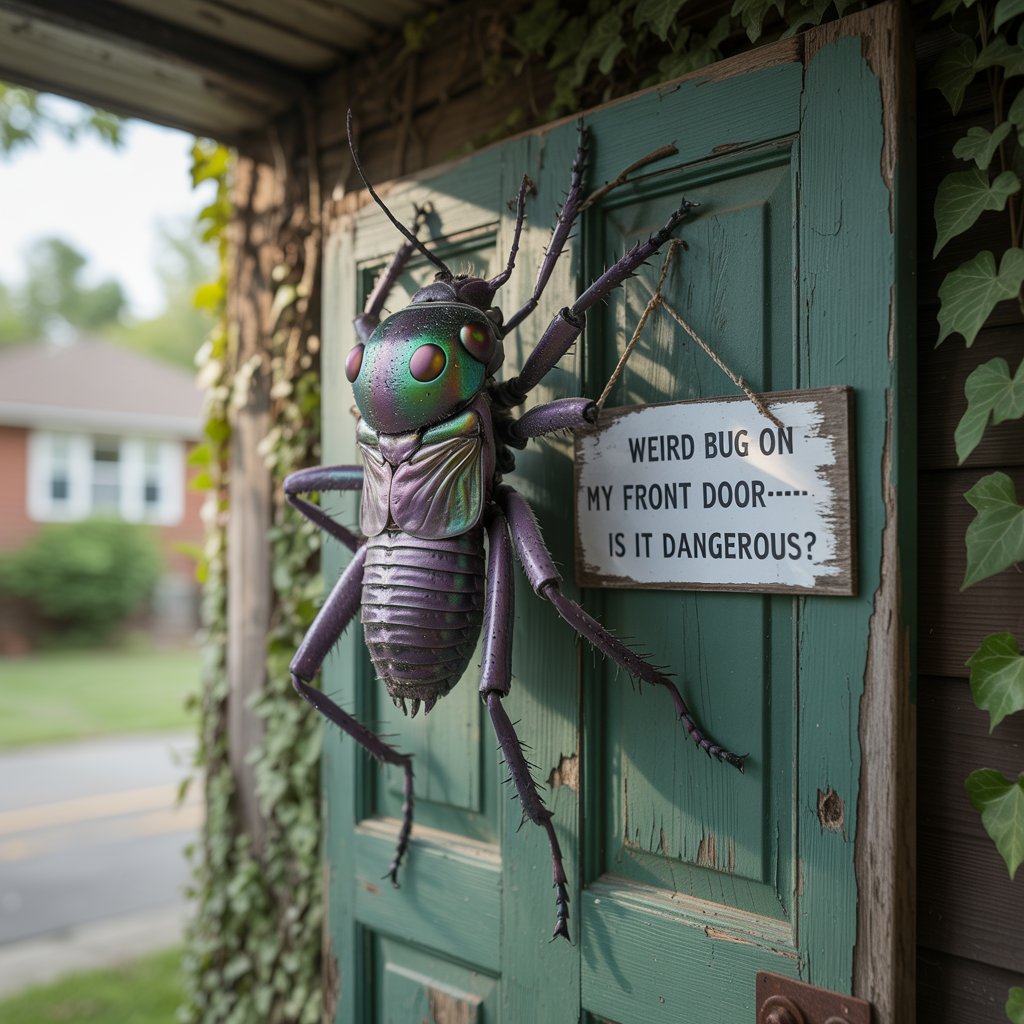
Have you ever stepped outside your home, only to be greeted by a bizarre bug clinging to your front door? If so, you’re not alone! Many of us find ourselves wondering, “What is that creepy critter? Is it dangerous? Should I call an exterminator or just let it be?” In this article, we will explore the fascinating world of insects, identify common bugs that may appear on your doorstep, and help you determine whether they pose any real threat to you or your home. Buckle up as we embark on this intriguing journey into the realm of our tiny, six-legged neighbors!
Before we dive into identifying specific bugs, it’s essential to understand why they end up on our front doors in the first place. Insects can be drawn to your home for a variety of reasons:
Here are some of the most frequently seen bugs that might make an appearance at your front door. Each of them has its own unique characteristics, behaviors, and potential risks.
Identification: Ladybugs are small, round, and brightly colored, usually red or orange with black spots.
Behavior: Generally harmless, ladybugs are beneficial insects that feed on aphids and other pests in your garden.
Danger Level: Low. While they can occasionally bite, it’s rare and typically not harmful.
Identification: Ants are small, social insects that can vary in color from black to red.
Behavior: They are often seen marching in lines, foraging for food to bring back to their colonies.
Danger Level: Low to Moderate. While most ants are harmless, some species, like fire ants, can deliver painful stings.
Identification: Spiders have eight legs and come in various shapes and sizes.
Behavior: They often build webs to catch prey, which may include other insects.
Danger Level: Variable. Most spiders are harmless, but a few, like the black widow or brown recluse, can be dangerous.
Identification: These bugs are dark with orange or red markings and often cluster in large numbers.
Behavior: Boxelder bugs are attracted to heat and often seek refuge in homes during colder months.
Danger Level: Low. They don’t bite and are more of a nuisance than a threat.
Identification: Wasps and hornets are slender with a narrow waist, often brightly colored with yellow and black stripes.
Behavior: They can be aggressive, especially if their nest is disturbed.
Danger Level: Moderate to High. Their stings can be painful and, in some cases, cause allergic reactions.
Identification: These large, black and yellow bees resemble bumblebees but have shiny abdomens.
Behavior: Carpenter bees drill holes into wood to create nesting sites.
Danger Level: Low. While they can be intimidating, they are generally solitary and do not sting unless provoked.
So, what should you do when you spot that weird bug on your front door? Here are some steps to consider:
Identify the Bug: Use a smartphone app, online resources, or a field guide to identify the insect. Understanding its behavior can help you gauge its danger level.
Observe Behavior: If the bug is aggressive or swarming, it’s best to keep your distance. However, if it appears to be solitary and non-threatening, you might consider leaving it alone.
If you determine the bug is harmless and you’d like to remove it, here are some methods:
If the bug appears to be a potential threat, such as a wasp nest or a spider that you suspect might be dangerous, it’s best to call a pest control professional. They can assess the situation and provide safe removal options.
While it’s impossible to eliminate every bug, there are several steps you can take to minimize their presence at your front door:
Inspect your home for cracks or gaps around windows, doors, and the foundation. Sealing these entry points can help deter bugs from entering your home.
Regularly cleaning your front porch and surrounding area can help reduce the food sources that attract bugs. Make sure to:
Certain scents can deter bugs. Consider using natural repellents like:
Keep your garden tidy by:
It’s important to remember that not all bugs are enemies. Many play crucial roles in our ecosystem:
Encountering a weird bug on your front door can be an unsettling experience, but understanding what it is and whether it poses a danger can help ease your mind. By learning to identify common bugs, assessing their behavior, and taking preventive measures, you can enjoy your space without fear. Remember, while some bugs can be pests, many are beneficial to our environment. The next time you see a bug on your doorstep, take a moment to appreciate the fascinating world of insects and their vital roles in our ecosystem. Happy bug spotting!