
Remember to identify the signs, clean thoroughly, seal entry points, and consider professional help if needed.
October 29, 2025
5 min read time
This information is reviewed by an independent pest control expert.
All external links are non-affiliated and for informational purposes only
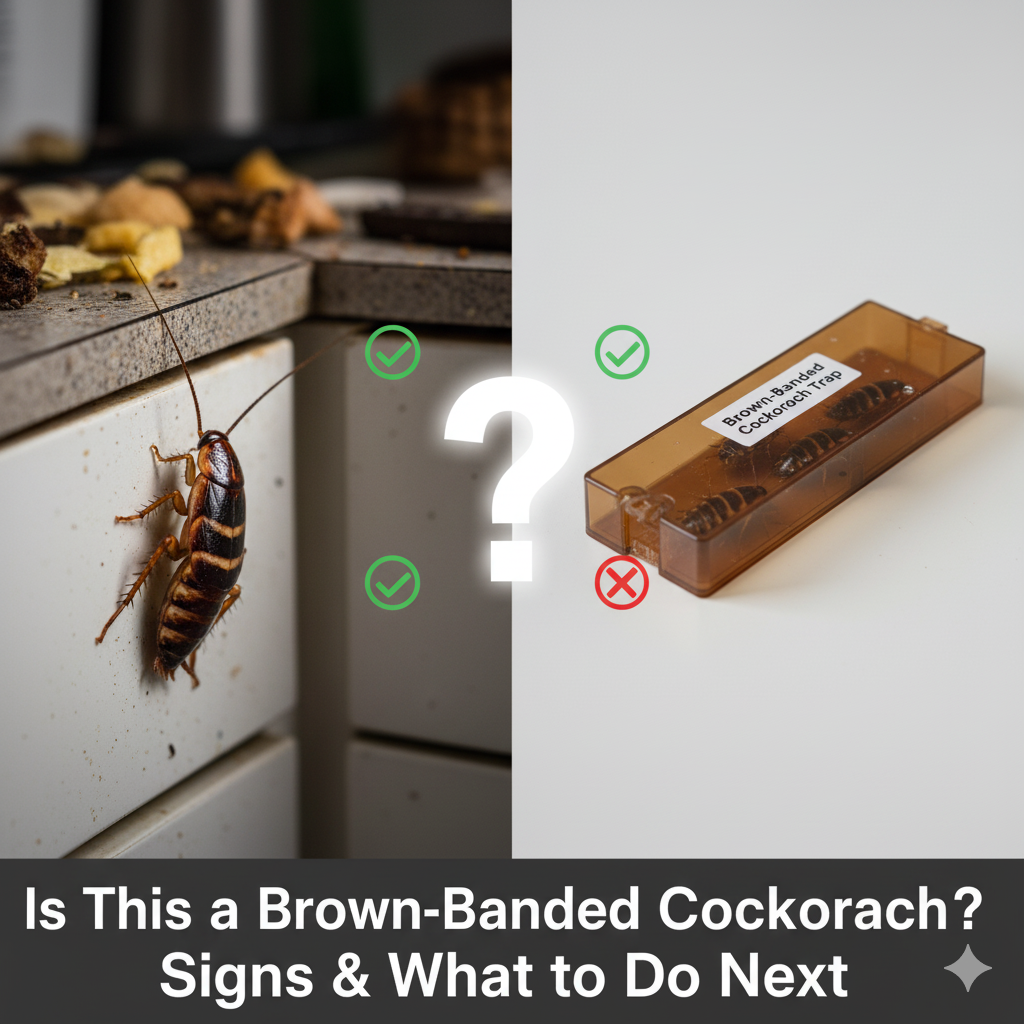
If you’ve ever found yourself wondering whether you’ve spotted a brown-banded cockroach scuttling across your kitchen floor, you’re not alone. These pesky little pests can send anyone into a frenzy, especially when it comes to maintaining a clean and healthy home. In this article, we’ll dive deep into the world of brown-banded cockroaches, helping you identify them, understand their habits, and, most importantly, learn how to deal with an infestation effectively. So, let’s get started!
The brown-banded cockroach (Supella longipalpa) is a small species of cockroach that is typically found in warm and humid environments. They are often mistaken for their more notorious cousins, the American and German cockroaches. However, the brown-banded cockroach has some unique characteristics that set it apart.
Identifying a brown-banded cockroach is key to understanding how to manage an infestation. Here are some distinguishing features:
Brown-banded cockroaches prefer warmer environments and are often found in:
Recognizing the signs of a brown-banded cockroach infestation early on can save you time, money, and stress. Here are the most common indicators to look out for:
The most obvious sign is the sighting of the cockroach itself. They are nocturnal creatures, so you’re more likely to see them at night. If you notice small brown bugs scurrying in your home, it could be a brown-banded cockroach.
Brown-banded cockroach droppings are small, dark, and cylindrical, resembling coffee grounds. If you find these droppings in your cabinets, on countertops, or in corners, it’s a strong indicator of their presence.
Female brown-banded cockroaches produce egg cases known as oothecae, which are brown and about 1/2 inch long. You might find these cases in hidden areas such as behind appliances, under sinks, or in storage boxes.
As cockroaches grow, they shed their exoskeletons. Finding these shed skins can be a sign of a growing infestation.
A larger infestation may produce a musty or oily odor. If you start to notice a strange smell in your home, it might be time to investigate further.
If you suspect you have a brown-banded cockroach infestation, don’t panic! Here’s a step-by-step action plan to address the issue effectively.
Before taking action, it’s crucial to confirm that you’re dealing with brown-banded cockroaches. Use the characteristics listed above to identify the insect. You can also consult local pest control experts or use online resources for further identification.
Good sanitation is key to managing any cockroach infestation. Here’s how to clean up effectively:
Cockroaches can squeeze through tiny cracks and crevices. To prevent their entry:
Once you’ve cleaned and sealed your space, it’s time to employ some pest control methods:
If the infestation seems too large to handle on your own, it may be time to call in the professionals. Pest control experts can provide:
After treatment, keep an eye out for any signs of cockroaches returning. Regularly check traps and maintain your cleanliness to prevent future issues.
To keep brown-banded cockroaches at bay, consider these preventive tips:
Navigating the world of brown-banded cockroaches can be daunting, but with the right knowledge and approach, you can effectively manage an infestation. Remember to identify the signs, clean thoroughly, seal entry points, and consider professional help if needed. By taking proactive steps, you can keep your home free of these unwelcome guests and enjoy a cleaner, healthier living environment.
If you suspect a brown-banded cockroach issue, don’t hesitate to act. The sooner you address the problem, the easier it will be to reclaim your space and peace of mind. Happy pest-proofing!