
Cockroach droppings are more than just a nuisance; they are a sign of potential health risks and an infestation that needs addressing.
October 20, 2025
5 min read time
This information is reviewed by an independent pest control expert.
All external links are non-affiliated and for informational purposes only
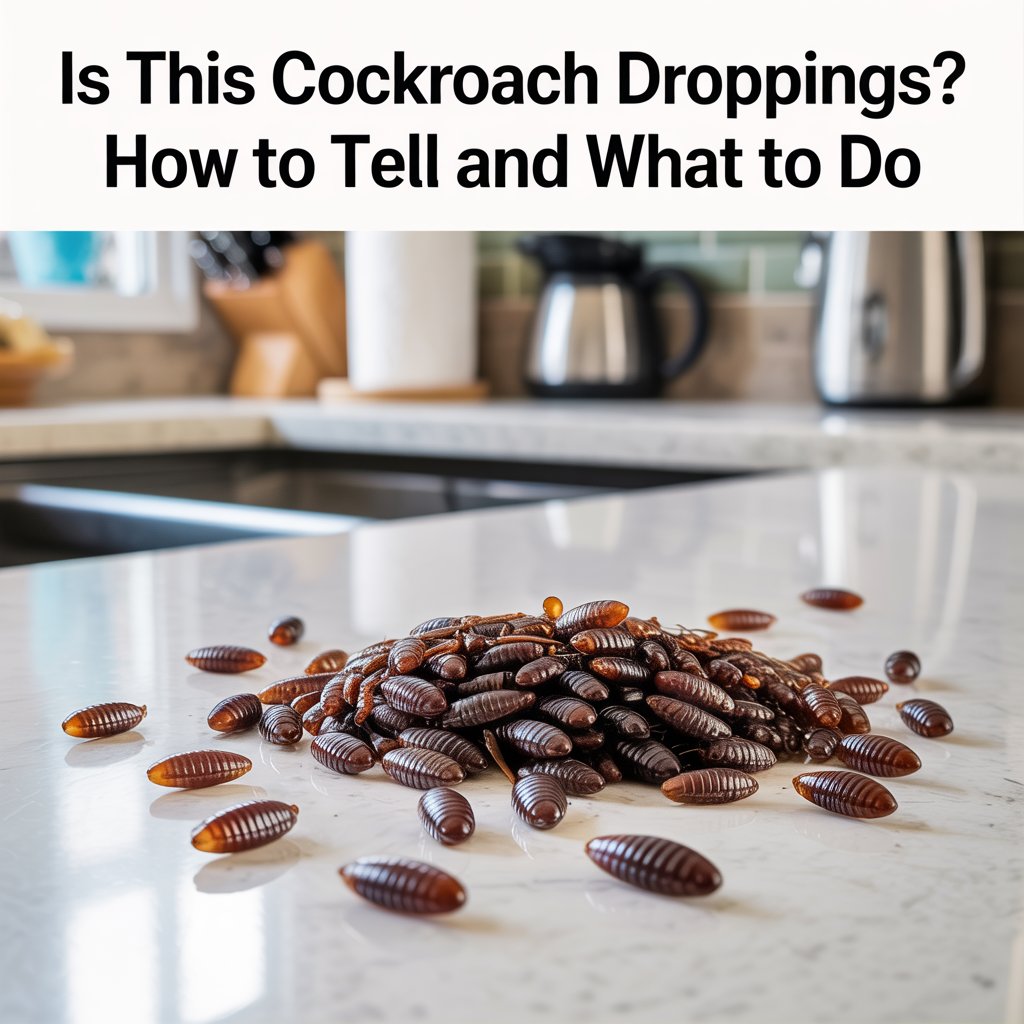
If you’ve ever spotted dark, grainy specks in your kitchen or bathroom, you might have asked yourself, “Is this cockroach droppings?” It’s a valid concern! Cockroaches are not just creepy; they can pose health risks and signal a larger problem in your home. In this comprehensive guide, we’ll help you identify cockroach droppings, understand their implications, and learn how to address an infestation if you find one.
Before we dive into the specifics of identifying cockroach droppings, let’s take a moment to understand these resilient pests. Cockroaches are among the oldest living insects, having existed for over 300 million years. They thrive in warm, humid environments and can reproduce rapidly, making them a common nuisance in households.
Cockroaches are not just unsightly; they can also trigger allergic reactions and asthma in sensitive individuals. They carry bacteria and pathogens that can contaminate food and surfaces. Knowing how to identify their droppings and the signs of an infestation is crucial for maintaining a healthy home.
Cockroach droppings can vary in size, shape, and color depending on the species of cockroach:
It’s important to differentiate cockroach droppings from those of other pests, such as mice or ants. Here’s a quick comparison:
| Pest | Size | Shape | Color |
|---|---|---|---|
| Cockroach | 1/8 – 1/4 inch | Cylindrical | Dark brown/black |
| Mouse | 1/4 – 1/2 inch | Rod-shaped | Dark brown |
| Ant | Tiny (less than 1/8 inch) | Small and irregular | Light brown |
Cockroaches are nocturnal creatures, so their droppings are often found in hidden or dark areas. Here are some common places to check:
Cockroach droppings can be a source of allergens that trigger asthma and other respiratory issues, especially in children. Additionally, they harbor pathogens that can lead to food poisoning and other health problems.
Apart from droppings, keep an eye out for other signs of a cockroach infestation:
Before taking action, confirm that the droppings are indeed from cockroaches. Use the size, shape, and location characteristics mentioned earlier as your guide.
Cleaning up droppings is not just about eliminating the evidence; it’s also about reducing allergens. Follow these steps:
Cockroaches can enter your home through tiny cracks and crevices. Inspect your home for:
Preventing a cockroach problem starts with good hygiene and proactive measures:
If you’ve confirmed a significant infestation or your efforts to eliminate the problem have failed, it may be time to call in the professionals. Pest control experts can provide targeted treatments and preventive strategies tailored to your home.
Cockroach droppings are more than just a nuisance; they are a sign of potential health risks and an infestation that needs addressing. By understanding how to identify these droppings and taking proactive steps, you can protect your home and your health.
Remember the key points:
By staying informed and proactive, you can keep your home cockroach-free and ensure a safe, healthy environment for you and your family. Don’t let cockroaches take over—take action today!