
ultrasonic pest control presents a unique and potentially humane option for managing unwanted pests in our homes.
August 13, 2025
6 min read time
This information is reviewed by an independent pest control expert.
All external links are non-affiliated and for informational purposes only
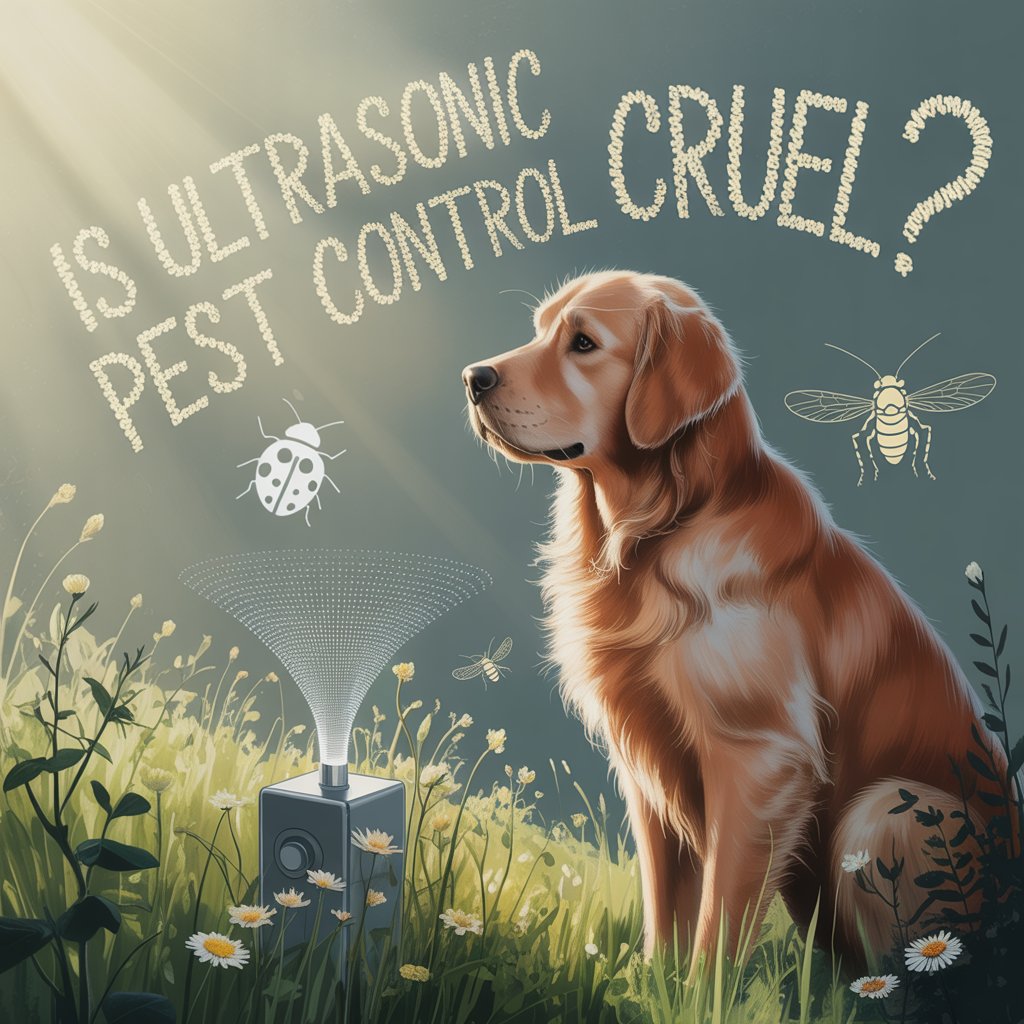
When it comes to dealing with pesky pests in our homes, many people are on the lookout for humane and effective solutions. One of the popular methods that has recently gained traction is ultrasonic pest control. Marketed as a high-tech, eco-friendly alternative to traditional pest control methods, ultrasonic devices promise to repel rodents and insects using high-frequency sound waves. But amidst the buzz, a pressing question arises: Is ultrasonic pest control cruel?
In this article, we will dive deep into the world of ultrasonic pest control, exploring its mechanisms, effectiveness, ethical implications, and more. By the end, you’ll be equipped with all the information needed to make an informed decision about whether or not to incorporate this method into your pest management strategy.
Ultrasonic pest control refers to devices that emit high-frequency sound waves, typically above the range of human hearing (around 20 kHz), to deter pests such as rodents and insects. The idea is that these sounds are unpleasant or disorienting to pests, driving them away from areas where the devices are used.
The mechanism of ultrasonic pest control is relatively straightforward. When activated, the device emits a series of sound waves that create an uncomfortable environment for pests. These sounds are often inaudible to humans but can interfere with the communication, navigation, and feeding habits of rodents and insects.
The sounds can vary in frequency and intensity, and many devices use a combination of different tones to keep pests from becoming accustomed to the noise. The hope is that this “sonic barrier” will encourage pests to leave the vicinity.
While the concept of ultrasonic pest control sounds promising, it’s essential to look at the science behind it. Research has yielded mixed results. Some studies suggest that ultrasonic devices can reduce pest populations, while others have found little to no impact.
For example, a study conducted in a controlled environment found that ultrasonic devices effectively reduced the presence of rodents. However, another research effort indicated that the devices had no significant effect on insect populations. This inconsistency raises questions about the reliability of ultrasonic pest control.
One major criticism of ultrasonic pest control is that pests may adapt to the sound over time. Just as humans can become accustomed to background noise, it’s possible that rodents and insects can learn to ignore the ultrasonic waves. Additionally, the effectiveness of these devices can be influenced by various environmental factors, such as the layout of a space, the presence of obstacles, and the specific species being targeted.
Furthermore, ultrasonic devices are typically designed to work in open spaces and might be less effective in cluttered areas or rooms with thick walls. This limitation can lead to frustration for homeowners seeking a quick fix for their pest problems.
The question of whether ultrasonic pest control is cruel is subjective and depends on several factors. Proponents argue that ultrasonic devices are a more humane alternative to traditional pest control methods, such as traps and poisons, which can cause suffering or death.
From an ethical perspective, the use of ultrasonic pest control can be seen as a non-lethal approach to managing pest populations. Instead of exterminating pests, these devices aim to discourage them from invading homes, making them a potentially cruelty-free option.
However, critics argue that any method of pest control, including ultrasonic devices, can still cause stress and discomfort to animals. While ultrasonic sounds are designed to be unpleasant, they may not cause physical harm, but they can lead to anxiety and changes in behavior.
To better understand the ethical implications, it’s helpful to compare ultrasonic pest control with other common methods:
In this context, ultrasonic pest control can be seen as a middle ground—offering a non-lethal method without the use of harmful chemicals.
Like any pest control method, ultrasonic devices come with their own set of advantages and disadvantages:
If you decide to try ultrasonic pest control, here are some best practices to keep in mind:
In summary, ultrasonic pest control presents a unique and potentially humane option for managing unwanted pests in our homes. While it offers certain advantages, such as being chemical-free and easy to use, its effectiveness can be variable, and pests may adapt to the sound over time.
As with any pest control method, it’s essential to weigh the pros and cons and consider the ethical implications. Ultimately, the decision to use ultrasonic pest control should be based on informed choices, personal values, and the specific pest problems you face.
By understanding the mechanics, effectiveness, and ethical considerations surrounding ultrasonic pest control, you can make a well-rounded decision that aligns with your values and needs. Whether you choose to give ultrasonic devices a try or explore other options, remember that a holistic approach to pest management is often the most effective, humane, and sustainable choice.
So, what will it be? Will you give ultrasonic pest control a shot, or do you prefer to stick to tried-and-true methods? The choice is yours!