
Yes, it is completely safe to leave your bug zapper switched on overnight, be it indoors or outdoors.
July 28, 2024
4 min read time
This information is reviewed by an independent pest control expert.
All external links are non-affiliated and for informational purposes only
Bug zappers are a popular tool for tackling bothersome insects, especially during warm summer nights when barbecues and outdoor gatherings are at their peak.
But a common question arises: Should you leave your bug zapper on all night?
In this article, we’ll dive into the pros and cons, the impact on your electricity bill, and some alternative solutions to help you make an informed decision.
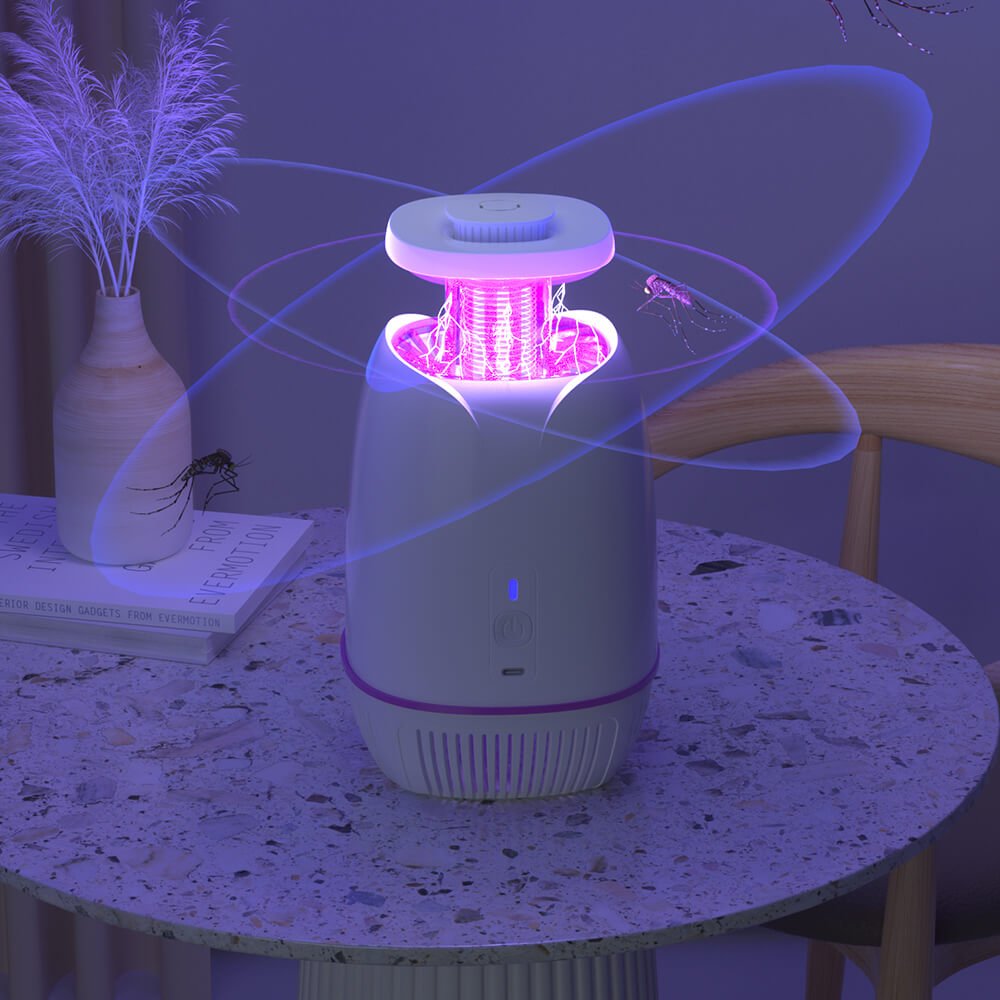
A bug zapper is an electronic device that attracts and kills insects using an electric grid.
The UV light emitted by the device lures bugs in, and when they make contact with the grid, they are electrocuted.
Bug zappers are typically used to reduce the annoyance of flying insects such as mosquitoes, flies, and moths.
One of the main advantages of leaving your bug zapper on overnight is continuous insect control. This ensures that any nocturnal insects are zapped the moment they come near your home.
If you’re in an area with a high number of pesky insects, running your bug zapper all night can provide a more peaceful, bite-free slumber by keeping those insects from entering your home.
Insects are more active during certain times of the night. Leaving the bug zapper on ensures that it covers all these active periods, making it more effective in reducing the insect population around your home.
One of the downsides is the potential increase in your electricity bill. While most bug zappers are relatively energy-efficient, running them continuously can still add up over time.
It’s important to note that bug zappers work by attracting insects. By leaving it on all night, you might actually be drawing more bugs into your vicinity, some of which might not get zapped and could enter your home.
Some people may find the buzzing noise and light from the zapper disruptive, especially if placed near bedrooms or sleeping areas. This could interfere with sleep and overall comfort.
While bug zappers are generally low-wattage devices, the cost can add up if left on 24/7.
For example, if you have a 20-watt bug zapper and your electricity rate is $0.12 per kWh: [ \text{Daily cost} = \left( \frac{20}{1000} \times 24 \right) \times 0.12 = \$0.0576 ]
While this cost seems minimal per day, it does accumulate over time.
Using a timer or smart plug allows you to control when your bug zapper is on, reducing unnecessary energy use. Set it to turn off during the early morning hours when insect activity is lower.
Consider using manual traps such as sugar water in a container to lure and capture insects without the need for electricity.
In summary, while leaving your bug zapper on all night can provide continuous insect control and eliminate nocturnal pests, it does come with certain drawbacks like increased energy costs and potential noise disruption.
Weighing the pros and cons along with considering alternatives and energy-efficient solutions can help you decide what’s best for your specific situation.
By understanding how your bug zapper works and its impact, you can enjoy both a bug-free environment and a good night’s sleep, all while optimizing energy use and maintaining a peaceful home setting.
29 more replies


I’m concerned about the ecological impact of leaving the zapper on. Isn’t it better for the environment to only use it when necessary?
Absolutely!By leaving zappers on all night, we’re killing moths and other nocturnal insects that are crucial for pollination.
Couldn’t agree more, we have to think about the bigger picture here and consider the environmental impact of our choices.
Hello! Don’t worry, different species of bugs have different photosensitivity. If you’re worried about bug zapper affecting the ecosystem, consider turning it on only when needed
Thank you. Your advice will help me!
They definitely eat up electricity. Anyone know how much energy a typical zapper uses if left on all night?
Installing a timer’s a great solution, it also takes the hassle out of remembering to switch it on and off.
Hey, consider using a solar bug zapper. This is a very green and energy efficient type that can help you save a lot of energy
Turning it off saves energy, but if you have a mosquito problem, leaving it on might be worth it. I’ve found less biting insects in the morning when I leave mine on.
Great point! I’ve started using more natural repellents to maintain a healthier ecosystem in my garden. They keep pests away without harming other creatures.