
Fumigation is effective for severe infestations, especially when other methods fail.
October 10, 2025
6 min read time
This information is reviewed by an independent pest control expert.
All external links are non-affiliated and for informational purposes only
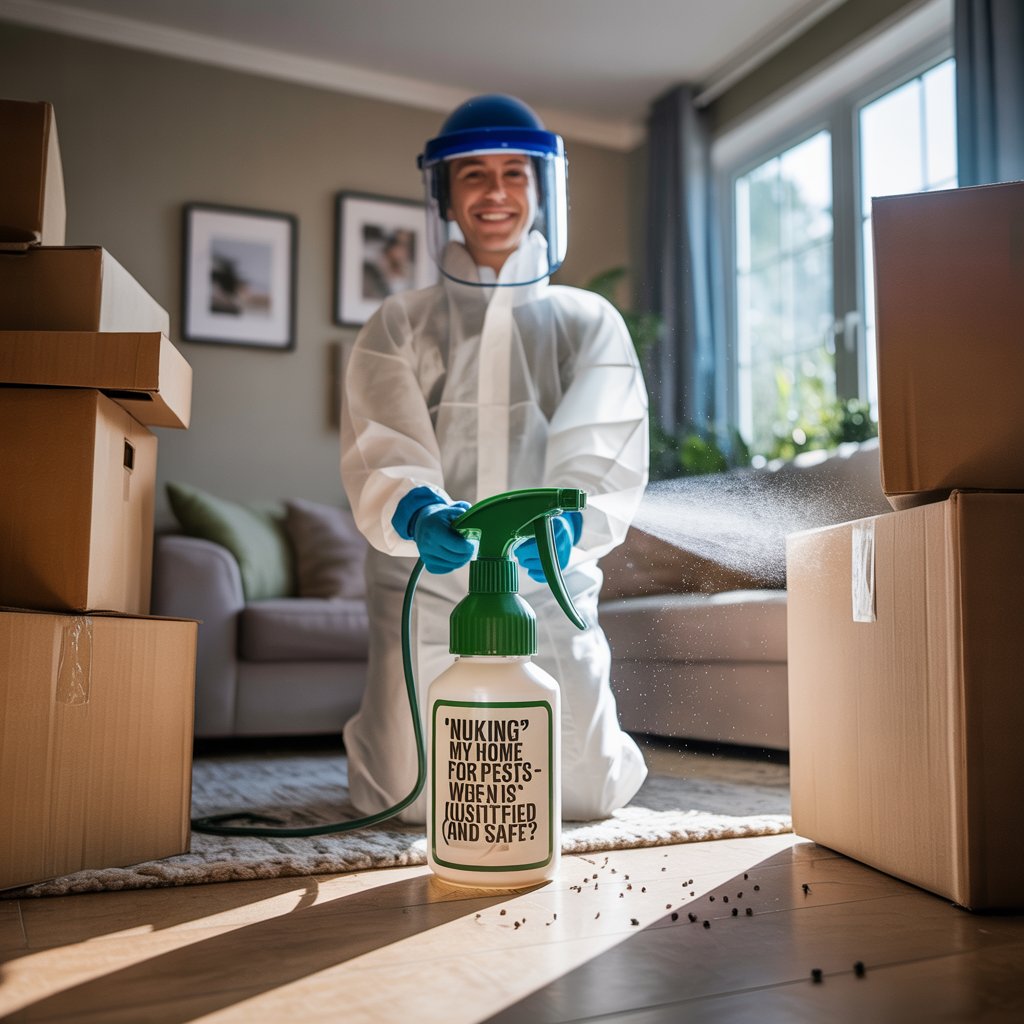
Have you ever found yourself battling an unwelcome army of pests in your home? You’re not alone! Whether it’s ants marching through your kitchen, termites gnawing on your beloved furniture, or bed bugs invading your peaceful nights, the struggle is real. At times, the fight against these pesky intruders can feel overwhelming, leading many homeowners to consider extreme measures. One such measure is fumigation or, as some folks like to call it, “nuking” your home. But when is it justified? And more importantly, is it safe? Let’s dive into the nitty-gritty of this pest control method and find out!
Fumigation is a pest control process that involves sealing a structure and filling it with gas to eliminate pests. While the term “nuking” might sound intimidating, it’s actually a scientifically-backed method designed to eradicate various types of pests thoroughly.
Fumigation employs gases like sulfuryl fluoride or ** methyl bromide**. Here’s how the process typically unfolds:
Fumigation is particularly effective against:
Fumigation is not the go-to solution for every pest problem. Instead, it is justified under specific circumstances. Here are some scenarios where fumigation might be the best option:
If you’ve noticed a severe infestation of pests—especially wood-destroying pests like termites—fumigation may be necessary. For example:
Some pests hide in hard-to-reach places, making traditional pest control methods ineffective. Fumigation allows the gas to penetrate even the tiniest crevices and gaps, ensuring a thorough elimination of pests.
If you’ve tried over-the-counter pesticides and other pest control methods without success, it might be time to consider fumigation. This comprehensive approach can resolve nagging pest issues that refuse to budge.
If you’re buying or selling a home, a pest inspection is usually part of the process. In cases of significant infestations, fumigation may be necessary to ensure the property is pest-free before the transaction is completed.
While fumigation can be highly effective, safety is a critical concern for homeowners. Here’s what you should know:
The gases used in fumigation can be harmful if inhaled. This is why it’s essential to vacate the premises during the treatment. Here are some potential health risks associated with fumigation:
To ensure safety during the fumigation process, consider these precautions:
If fumigation feels too extreme or isn’t justified for your pest problem, there are several alternative pest control methods you might consider:
IPM is a holistic approach that combines various strategies for pest control. This can include:
There are many over-the-counter pest control products available, from sprays to traps. However, it’s essential to choose products that are safe for indoor use and follow the instructions carefully.
Sometimes, hiring a pest control professional is the best course of action. They can assess the situation and determine the most effective and safest method for your specific pest issue.
Fumigation can be a significant investment, and understanding the costs involved is crucial. Here’s what to consider:
The cost of fumigation varies based on several factors, including:
On average, homeowners can expect to pay anywhere from $1,200 to $2,500 for a full house fumigation.
When considering the cost of fumigation, weigh it against the potential damage that pests can cause. For example, termite infestations can lead to costly repairs if not addressed promptly. Fumigation may seem costly upfront, but it could save you money in the long run by preventing further damage.
Nuking your home for pests can be a daunting decision, but understanding when it’s justified and safe can help ease your worries. Fumigation is effective for severe infestations, especially when other methods fail. However, always prioritize safety by working with professionals and following their guidance.
Before making a decision, consider the severity of the infestation, the type of pests involved, and the potential risks. Weigh your options, explore alternatives, and don’t hesitate to seek professional advice. Remember, a pest-free home is not just about comfort; it’s about protecting your health and investment.
So, the next time you face a pest problem, take a deep breath. You’ve got options, and with the right information, you can make the best choice for your home and family. Happy pest management!