
hether you're dealing with ants in the kitchen or raccoons in the attic, your role as a pest control technician will make a significant difference in your clients' lives.
March 23, 2026
6 min read time
This information is reviewed by an independent pest control expert.
All external links are non-affiliated and for informational purposes only
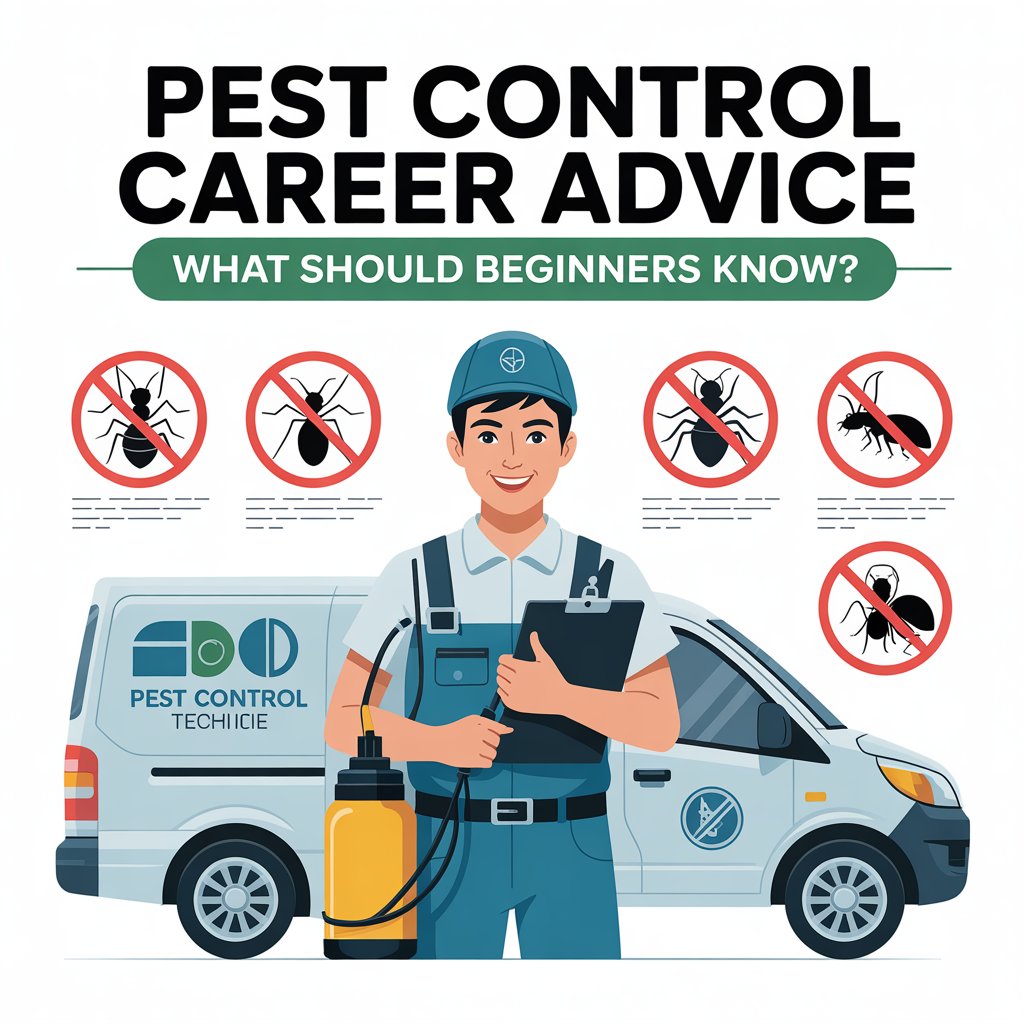
Are you fascinated by the tiny creatures that scurry around your home? Do you find yourself intrigued by the idea of helping people reclaim their spaces from pesky pests? If so, a career in pest control might just be your calling! This industry offers a unique blend of science, customer service, and problem-solving, making it an exciting field to enter. But before you dive in, there are essential things you should know. Let’s explore the ins and outs of starting a career in pest control!
The pest control industry is more than just spraying insecticides and setting traps. It’s a crucial service that impacts public health, property management, and environmental sustainability.
Pests can cause significant damage to homes and businesses, leading to costly repairs and health risks. From rodents that chew through wires to termites that weaken the structural integrity of a building, pest control professionals play a vital role in preventing and managing these issues.
With the continued urbanization and changing climate, the demand for pest control services is on the rise. According to industry reports, the global pest control market is expected to continue growing, making it a promising career choice for those entering the field.
As a pest control technician, you’ll need a mix of technical knowledge and soft skills. Here are some essential skills that can set you apart:
While a formal education is not always required in pest control, having a solid foundation can be beneficial.
Most pest control companies require at least a high school diploma or GED. This serves as a basic educational requirement before moving on to specialized training.
Many community colleges and vocational schools offer pest control training programs. These programs often cover topics such as:
In many regions, pest control technicians are required to obtain a license or certification. The requirements vary by state or country, so it’s essential to check local regulations. Certification often includes:
The pest control field is diverse, offering various job opportunities. Here are some common roles within the industry:
These technicians primarily work in homes, addressing common household pests like ants, roaches, and rodents.
Working in commercial settings, these technicians deal with pests in restaurants, warehouses, and office buildings, often focusing on compliance with health regulations.
Consultants provide expert advice and strategies for pest management, often working with businesses to create pest prevention plans.
After gaining experience, you might move into a supervisory role, overseeing a team of technicians and ensuring quality service.
So, what does a typical day look like for a pest control technician? Here’s a breakdown:
Working in pest control comes with its risks. Here are some important health and safety considerations to keep in mind:
Technicians should always wear appropriate PPE, including gloves, masks, and goggles, to protect themselves from exposure to pesticides and other hazardous materials.
Understanding how to read labels and follow safety instructions is crucial. Technicians should be trained in proper pesticide handling and disposal methods.
Know the procedures for dealing with accidents or emergencies, whether it involves chemical spills or bites from pests.
To thrive in the pest control industry, consider the following tips:
Join industry associations and attend conferences to meet other professionals and stay updated on trends and best practices.
Stay current with new techniques and products by participating in workshops and training sessions. Many states require ongoing education for license renewal.
Building strong relationships with clients can lead to referrals and repeat business. Always prioritize customer satisfaction and responsiveness.
Consider specializing in a specific area, such as termite control or wildlife management, to enhance your skills and marketability.
As technology continues to advance, the pest control industry is evolving. Here are a few trends to watch:
The focus is shifting toward environmentally friendly pest control methods that emphasize prevention and the use of non-chemical options.
From drones for inspection to software that helps manage scheduling and documentation, technology is making pest control more efficient.
As consumers become more environmentally conscious, pest control companies are adopting sustainable practices, which can be a selling point for your services.
Embarking on a career in pest control can be both rewarding and challenging. By understanding the industry, honing essential skills, and prioritizing customer service, you can set yourself up for success. Remember that this field is always evolving, so keep learning and adapting to stay ahead. Whether you’re dealing with ants in the kitchen or raccoons in the attic, your role as a pest control technician will make a significant difference in your clients’ lives. So gear up, stay curious, and get ready to tackle the fascinating world of pests!