
By breaking down the costs, recognizing the factors that influence pricing, and being aware of what’s included in your service, you can approach pest control with confidence.
January 19, 2026
6 min read time
This information is reviewed by an independent pest control expert.
All external links are non-affiliated and for informational purposes only
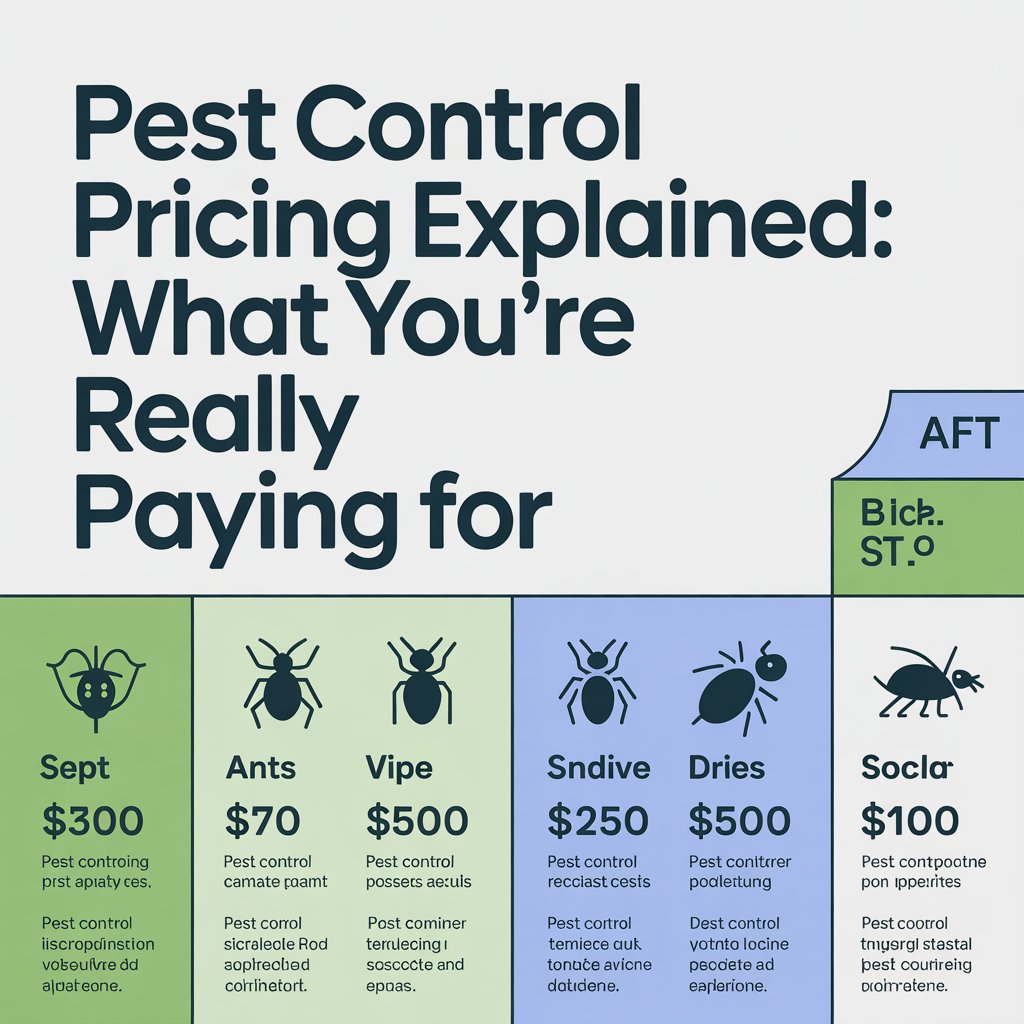
If you’ve ever found yourself staring at a pest control bill, scratching your head and wondering what all those numbers mean, you’re not alone! Pest control can seem overwhelming, especially when you’re not quite sure what you’re getting for your money. In this article, we’ll break down pest control pricing in a way that’s easy to understand. By the end, you’ll have a clearer picture of what goes into those costs and how to make informed decisions for your home or business.
Before diving into costs, let’s clarify what pest control actually entails. Pest control is a method used to manage and eliminate pests that threaten your health, property, or comfort. This includes everything from insects like ants and termites to rodents like mice and rats.
You might think that a can of insect spray or a few traps from your local hardware store would suffice. However, there are several reasons why professional pest control services are often the better option:
Now, let’s take a closer look at what you’re really paying for when it comes to pest control. Pest control pricing can vary widely based on several factors, including the type of service, the size of your property, and the pest problem at hand.
The first step in understanding pest control pricing is to recognize the different types of services available:
Several factors can affect how much you’ll pay for pest control services:
Different pests require different approaches. For example, termite treatments are more expensive than general pest control because of the potential damage termites can cause and the complexity of treatment methods.
Larger infestations will typically cost more to treat. The more extensive the problem, the more time and resources a pest control technician will need to spend.
The larger your home or business, the more you can expect to pay. Pricing often depends on square footage, with larger spaces requiring more materials and labor.
Geographical location can also influence pricing. Urban areas may have higher costs due to increased demand for services, while rural areas might see lower prices.
When you pay for pest control services, you’re not just paying for the products used; you’re also paying for expertise and service. Here’s what you might expect to be included in your pest control pricing:
A thorough inspection is often the first step. This includes identifying the type of pests, assessing the severity of the infestation, and checking for potential entry points.
Once the inspection is complete, the technician will develop a customized treatment plan tailored to your specific needs.
This includes the actual application of pesticides or other methods to eliminate the pests. Professionals know how to use these products safely and effectively.
Many pest control plans include follow-up visits to ensure that the pests are gone and to check for any signs of new activity.
A good pest control service will also offer advice on how to prevent future infestations, which can save you money in the long run.
While understanding the basics of pest control pricing is helpful, it’s also important to be aware of potential hidden costs. Here are a few to keep in mind:
Some companies may charge a fee for the initial inspection, especially if you’re not committing to a service at that time.
If the infestation is more severe than initially assessed, you may need additional treatments, which can add to the total cost.
If pests have caused damage to your property (like termites or rodents), you may need to budget for repairs in addition to pest control services.
If you sign a contract for ongoing services but decide to cancel early, be sure to read the fine print regarding cancellation fees.
While pest control is an essential investment, there are ways to save money without compromising on quality:
Investing in a regular maintenance plan can save you money in the long run. It’s often cheaper to prevent infestations than to treat them later.
Many pest control companies offer discounts during specific seasons (like spring) when pests are more active. Keep an eye out for promotional offers.
Implementing some DIY prevention techniques (like sealing cracks and removing food sources) can help reduce the likelihood of infestations, lowering your overall costs.
Don’t settle for the first quote you receive. Contact multiple pest control companies to compare services and prices.
Understanding pest control pricing is crucial for making informed decisions about your home or business. By breaking down the costs, recognizing the factors that influence pricing, and being aware of what’s included in your service, you can approach pest control with confidence.
Remember, while it may seem expensive at first glance, investing in professional pest control can save you money and stress in the long run by protecting your property and health. So the next time you look at a pest control bill, you’ll have a better grasp of what you’re paying for—and why it’s worth every penny.
By staying informed and proactive, you can keep unwanted pests at bay without breaking the bank. Happy pest-free living!