
Explore the need-to-know on bug zappers: maximize efficiency, conserve energy, and maintain a bug-free home with our expert tips.
April 15, 2025
6 min read time
This information is reviewed by an independent pest control expert.
All external links are non-affiliated and for informational purposes only
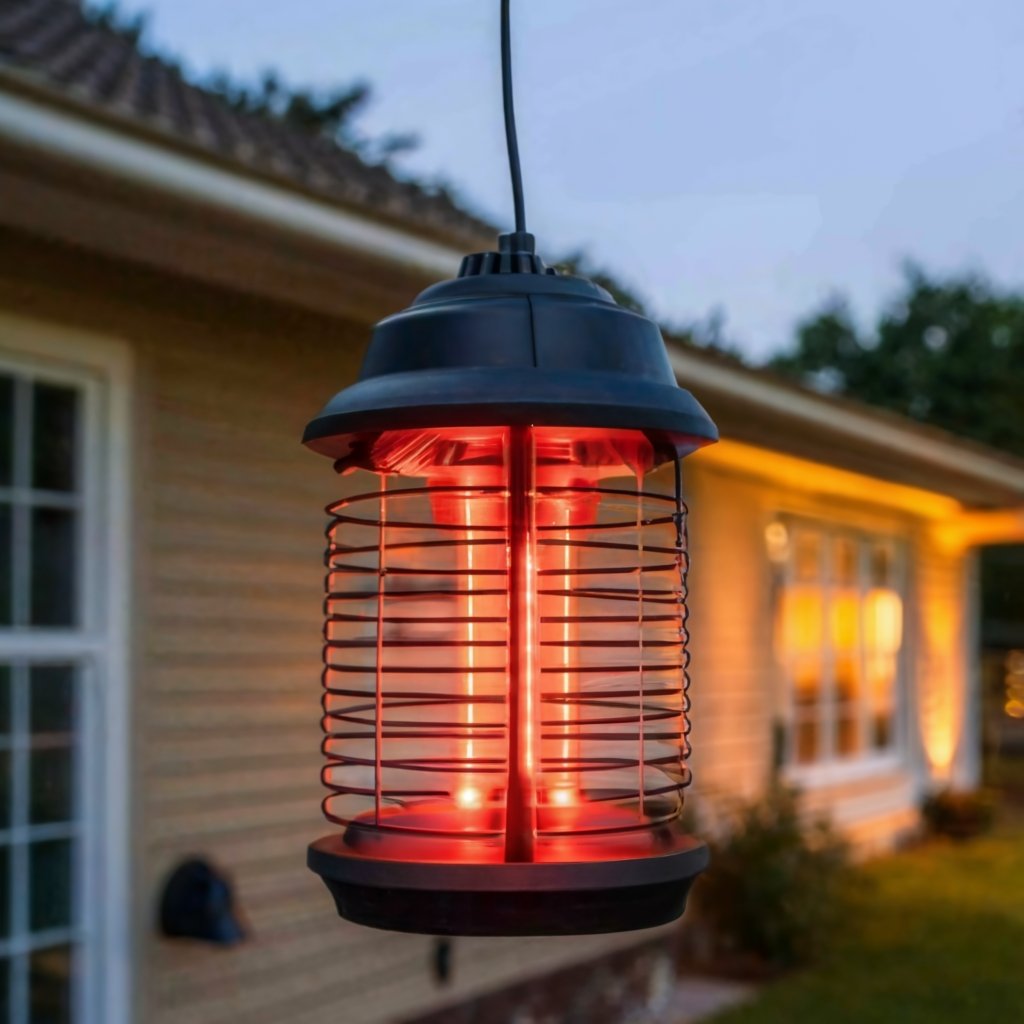
As the sun sets and the warm evening air beckons us to step outside, there’s nothing quite like enjoying a backyard barbecue or lounging on the patio. But as the light dims, so do our chances of enjoying an insect-free evening without constant swatting and biting. Enter the bug zapper—the electrifying device that promises to rid your outdoor space of pesky flies, mosquitoes, and other uninvited guests. But a question looms large: should you keep your bug zapper on all the time? Let’s dive into this buzzing topic and uncover the best practices for using bug zappers effectively.
Before we tackle the question of whether to keep your bug zapper on continuously, let’s start with the basics.
A bug zapper, or electric insect killer, is a device that uses ultraviolet light to attract insects. Once they come close enough, they meet their demise via an electrified grid. Most bug zappers are designed to target flying insects, particularly those that are drawn to light, such as moths and mosquitoes.
Target Specificity: Bug zappers often attract beneficial insects like bees and butterflies, which can disrupt the local ecosystem.
Limited Range: Depending on the model, bug zappers may not cover a large area, resulting in uneven insect control.
Noise Factor: The occasional zap can be unsettling, especially if you’re trying to enjoy a peaceful evening outside.
Learn all about Bug Zappers
Deep dive this topic with hand-picked articles just for you
Now that we understand what bug zappers are and their pros and cons, let’s address the burning question: should you keep your bug zapper on all the time? Here are several factors to consider:
Most insects, especially mosquitoes, are more active at dawn and dusk. Keeping your bug zapper on during these peak hours can maximize its effectiveness. However, during the day, when many beneficial insects are active, it might be better to turn it off.
The effectiveness of bug zappers can vary by season. During warmer months, when insects are abundant, keeping the zapper on at night can be beneficial. However, as temperatures drop in the fall, the need for continuous operation diminishes.
If you frequently host outdoor gatherings or spend time in your yard during the evening, keeping the bug zapper on can help ensure a more enjoyable experience. Conversely, if you’re not using the space, you might opt to turn it off to avoid attracting unwanted guests during the day.
The placement of your bug zapper is crucial. Ideally, it should be positioned away from areas where you gather, as the light can attract insects toward you instead of away. If your zapper isn’t strategically placed, keeping it on all the time may not yield the desired results.
While bug zappers are generally energy-efficient, leaving them on continuously could lead to higher electricity bills. If energy conservation is a priority, consider turning the zapper off during low-activity times.
To maximize the effectiveness of your bug zapper, consider the following tips:
If you find that bug zappers aren’t the perfect fit for your needs, there are several alternatives to consider:
These traps use various attractants, such as carbon dioxide or pheromones, to lure insects into a container where they cannot escape.
Essential oils like citronella, eucalyptus, and peppermint can repel insects without harming beneficial species.
Screens and nets can keep insects out of your outdoor space while allowing you to enjoy the breeze.
In the battle against pesky insects, bug zappers can be a valuable ally. Whether you choose to leave your zapper on all the time or only during peak activity hours, understanding how they work and the best practices for their use can help you enjoy your outdoor space more. Remember to consider your specific needs, the season, and the environment to determine the best approach for your bug zapper.
Ultimately, while bug zappers can significantly reduce unwanted insects, they are just one part of a broader strategy for pest control. By combining them with other methods and using them wisely, you can create a more comfortable and enjoyable outdoor living space. So, the next time you step outside, you’ll be ready to relax, knowing that you’ve taken the necessary steps to keep those pesky bugs at bay!
13 more replies


Is it really necessary to keep your bug zapper on all the time? Doesn’t it waste electricity?
I think it depends on where you live. In some places, the bug problem is severe enough to warrant continuous use.
True, but I’ve read that leaving it on all the time can also zap beneficial insects. Anyone else heard about this?
Yeah, plus there’s the impact on nocturnal wildlife. A bug zapper left on all night can disrupt ecosystems.
Honestly, are bug zappers even effective? I’ve read mixed reviews.
They can be effective, but they often kill more harmless insects than pests.
Agreed. I’ve noticed fewer pests getting zapped and more moths and non-pest insects.
That’s a valid point. There’s a lot of discussion about whether they actually reduce pest populations or just kill random insects.
I’ve always left mine on. Not sure if it’s the best practice but it seems to work against mosquitoes.
Continuous use definitely helps but it’s not energy-efficient. Some new models come with motion sensors that trigger the zapper when there’s activity.