
The best long-term solution often involves a combination of treatments and preventive measures.
March 23, 2026
6 min read time
This information is reviewed by an independent pest control expert.
All external links are non-affiliated and for informational purposes only
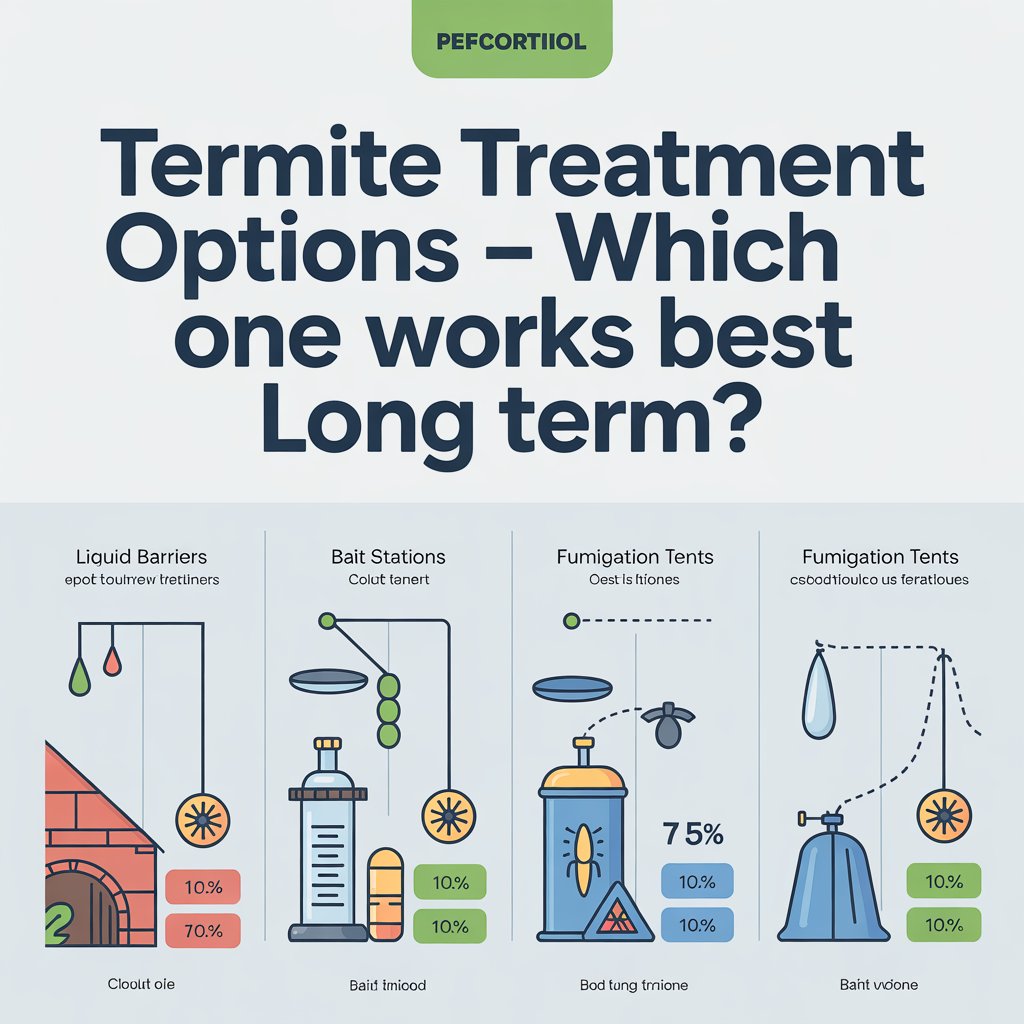
When it comes to homeownership, few things can be as terrifying as discovering a termite infestation. These tiny wood-munching pests can cause extensive damage to your home, leading to costly repairs and a lot of stress. But fear not! There are numerous termite treatment options available, each with its own benefits and drawbacks. In this article, we’ll dive deep into these treatment methods, helping you identify which one works best for long-term protection against termites.
Before we explore treatment options, it’s essential to understand what we’re up against. Termites are social insects that live in colonies, primarily feeding on cellulose found in wood, paper, and other plant materials. The most common types of termites include:
A termite infestation can go unnoticed for years, making early detection and treatment vital. Signs of an infestation may include:
If you spot any of these signs, it’s time to consider your treatment options.
There are several methods to treat and prevent termite infestations, each with its own unique approach. Here’s a comprehensive look at the most common termite treatment options:
Liquid termiticides are one of the most popular options for controlling termites. These chemicals are applied to the soil around your home, creating a protective barrier that kills or repels termites.
Bait systems are another effective method for termite control. These involve placing bait stations around your property that contain a slow-acting insecticide.
For those looking to avoid harsh chemicals, several natural treatments can help manage termite infestations.
Borate is a naturally occurring mineral that can be used as a wood treatment.
Orange oil, derived from orange peels, contains a compound called d-limonene, which is toxic to termites.
Creating physical barriers can prevent termites from entering your home.
Fumigation is a more aggressive treatment option primarily used for drywood termites.
With so many options available, how do you choose the best termite treatment for long-term prevention? Here are some factors to consider:
Identifying the type of termite you’re dealing with is crucial. Subterranean termites often require different treatment methods compared to drywood termites.
If your home has a severe infestation, you may need to consider more extensive treatments like fumigation. For smaller infestations, chemical barriers or bait systems might suffice.
If you’re concerned about the impact of chemicals, natural treatments like borate or orange oil can be effective alternatives.
Costs can vary widely between treatment methods. Liquid termiticides and bait systems may be more cost-effective in the long run compared to fumigation.
Think about your long-term pest management strategy. Regular inspections and preventive measures can help catch infestations early, potentially saving you from costly repairs down the line.
No matter which treatment option you choose, ongoing maintenance and prevention are key to keeping termites at bay.
Dealing with termites can be daunting, but with the right knowledge and treatment options, you can protect your home effectively. From chemical treatments and natural remedies to physical barriers and fumigation, each method has its unique strengths and weaknesses.
Ultimately, the best long-term solution often involves a combination of treatments and preventive measures. Regular inspections, proper maintenance, and an understanding of the specific types of termites in your area will empower you to defend your home against these silent destroyers.
Remember, when in doubt, always consult a professional pest control expert who can guide you toward the best solution tailored to your needs. With the right approach, you can ensure a termite-free home for years to come!