
Wasp traps can be a double-edged sword.
July 25, 2025
7 min read time
This information is reviewed by an independent pest control expert.
All external links are non-affiliated and for informational purposes only
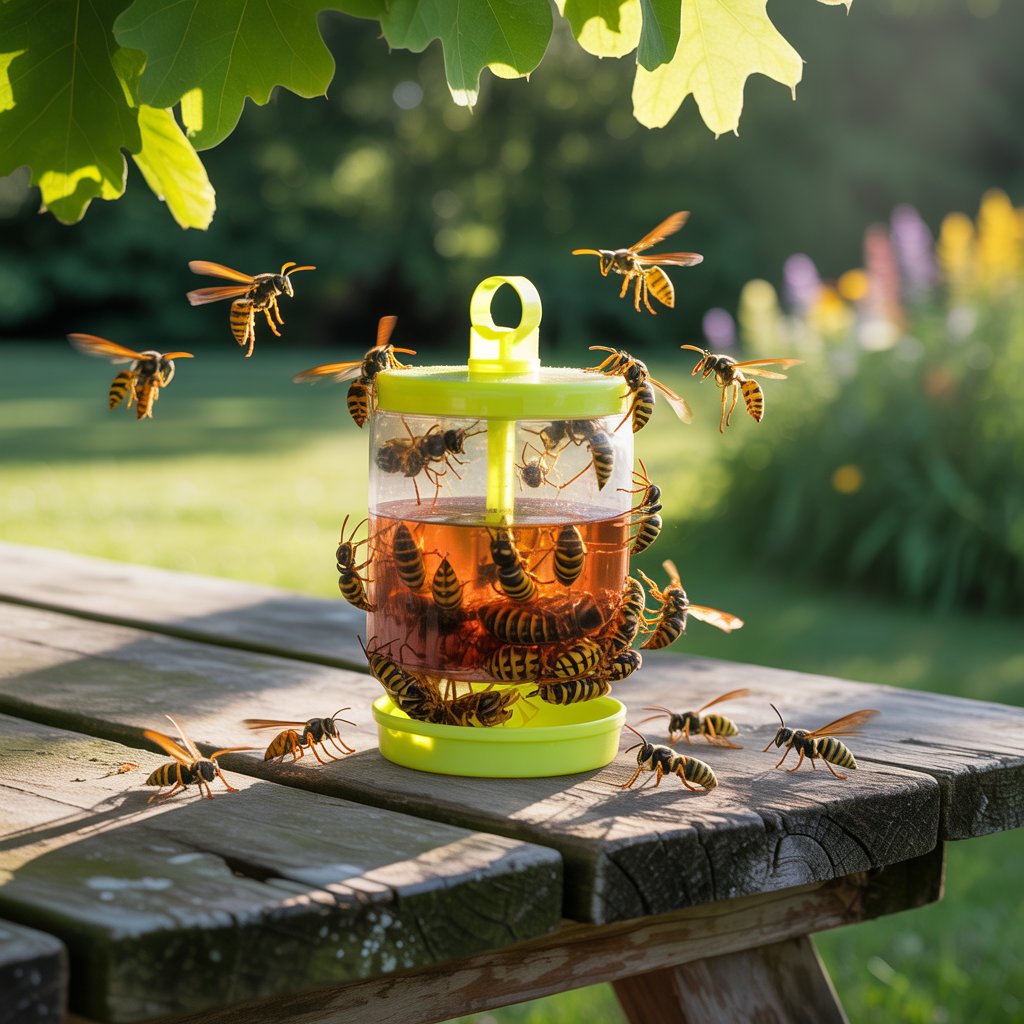
Ah, summer! The season of sunshine, barbecues, and outdoor fun. But for many, this blissful time is often accompanied by an unwelcome guest: the wasp. Whether you’re enjoying a picnic or relaxing on your patio, these buzzing nuisances seem to appear out of nowhere, ruining your good time. Enter the wasp trap—an alluring solution that promises to keep these pests at bay. But wait! Why is it that these traps often attract more wasps than they actually capture? Let’s dive into the fascinating world of wasp traps, unraveling the science behind their effectiveness and the reasons they sometimes backfire.
Before we delve into the mechanics of wasp traps, it’s essential to understand the creatures we’re dealing with. Wasps are a diverse group of insects that can be found worldwide. They belong to the order Hymenoptera, which also includes bees and ants.
Understanding these characteristics will help you appreciate their role in the ecosystem, even if they can be a hassle during your summer activities.
Wasp traps are designed to attract and capture wasps, reducing their population around your home. Most traps contain a bait that lures wasps inside, where they cannot escape.
While they promise to control wasp populations, the effectiveness of traps can vary significantly based on several factors.
So, why do wasp traps often attract MORE wasps than they actually capture? The answer lies in the science of attraction.
Wasps, particularly social species like yellow jackets, communicate using pheromones. These chemical signals can indicate the presence of food or a threat. When a wasp finds a bait source, it releases pheromones that attract other wasps to the area, creating a snowball effect.
In addition to pheromones, wasps are attracted to specific visual and olfactory cues:
When you set up a wasp trap, the bait can lead to an influx of wasps drawn in by these signals, resulting in a situation where more wasps are present than before the trap was set.
Several environmental factors can influence how many wasps are drawn to your traps. Here are some key considerations:
By understanding these factors, you can optimize your trap placement and bait choice.
There are several types of wasp traps available, each with its unique mechanisms and effectiveness. Here’s a rundown of the most common types:
How They Work: These are often homemade traps made from plastic bottles. You cut off the top and invert it into the bottom, creating a funnel.
Advantages: Cost-effective and easy to make; can use household materials.
How They Work: These are professionally designed traps that often come with specific bait included.
Advantages: They are typically more effective and can be aesthetically pleasing for outdoor use.
How They Work: These traps use a sticky surface to capture wasps that land on them.
Advantages: They don’t require bait, making them low-maintenance.
How They Work: These traps zap wasps upon contact, using electric grids.
Advantages: They are highly effective and can capture multiple wasps quickly.
How They Work: These traps mimic wasp nests, deterring wasps from entering your area.
Advantages: They can reduce wasp presence without capturing them.
To enhance your chances of success with wasp traps, consider these best practices:
If traps aren’t your thing, or if they’re not working as you’d hoped, there are several alternatives to consider for managing wasp issues:
Certain scents can deter wasps effectively. Try essential oils like peppermint, clove, or lemongrass around your outdoor areas.
Planting specific flowers, such as marigolds or geraniums, can help keep wasps at bay due to their natural scents.
Using screens, nets, or even wasp decoys can help keep wasps away from your outdoor activities.
Wasp traps can be a double-edged sword. While they’re designed to capture and reduce wasp populations, they can also attract more wasps than you might expect. Understanding the science behind wasp attraction, the various types of traps available, and the best practices for their use can significantly enhance your outdoor experience.
By employing strategic placement, using the right bait, and maintaining your traps, you can effectively manage wasp presence around your home. Additionally, considering natural repellents and alternatives can provide a holistic approach to keeping these buzzing nuisances at bay.
So, as you gear up for your next outdoor gathering, remember that knowledge is your best defense against wasps. With the right strategies in place, you can enjoy your summer activities without the unwelcome buzz of wasps crashing the party!