
From battling bed bugs in a crowded apartment to safely removing raccoons from attics, the challenges are many.
March 22, 2026
6 min read time
This information is reviewed by an independent pest control expert.
All external links are non-affiliated and for informational purposes only
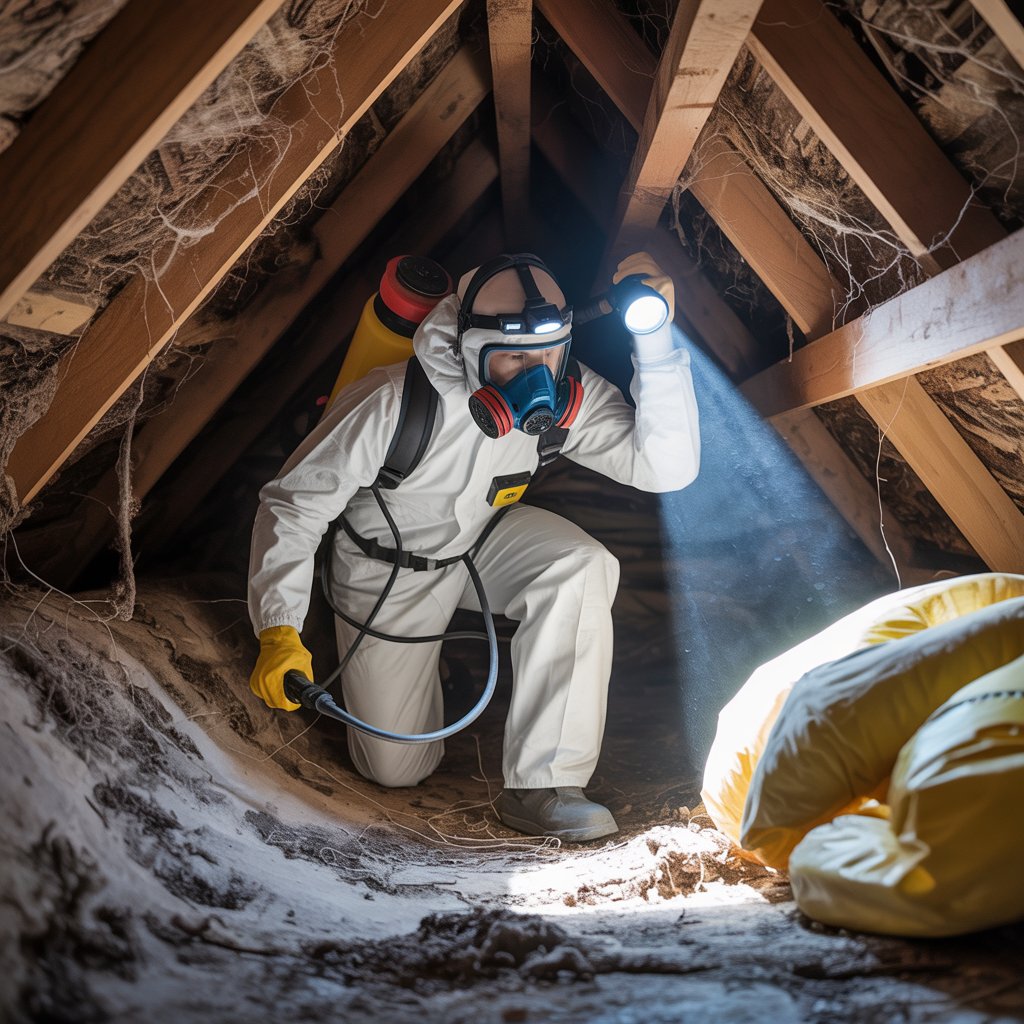
Picture this: a bright, sunny day, and you’re getting ready for work. Instead of the usual office attire, you don your battle gear—heavy boots, gloves, and a trusty toolkit. You’re not heading to an office; you’re gearing up to face the unexpected. Welcome to the world of pest control technicians! In this article, we’ll dive deep into the challenges faced in this unique profession, exploring some of the most difficult jobs we’ve encountered along the way.
Pest control technicians are often the unsung heroes of the service industry. While many people might think of them as “bug exterminators,” their job goes far beyond just killing pests. It involves understanding biology, chemistry, and customer service, all while working in sometimes hazardous environments. The job can be incredibly rewarding, but it also comes with its fair share of challenges.
In this article, we’ll explore the most difficult jobs pest control technicians have faced, the skills required to tackle these challenges, and how to ensure safety and effectiveness in the field. Whether you’re considering a career in pest control or are just curious about what goes on behind the scenes, this article is for you!
Before we dive into the challenging jobs, let’s take a moment to understand the role of a pest control technician. These professionals are responsible for identifying, managing, and eliminating pest problems. Their work includes:
These tasks require a combination of technical knowledge, problem-solving skills, and interpersonal communication.
Now, let’s explore some of the most challenging jobs that pest control technicians have encountered. Each of these scenarios illustrates the complexities and unpredictability of the job.
Bed bugs have made a notorious comeback in recent years, and dealing with these pests can be one of the most challenging tasks for any technician.
Encountering wildlife, such as raccoons or squirrels, in urban environments can pose unique challenges.
Termites can wreak havoc on any structure, but historic buildings present a unique set of challenges.
Commercial kitchens can be a nightmare for pest control technicians, especially when it comes to cockroaches.
Given the complexities of pest control, training and certification are vital for success in this field. The following are essential elements of a technician’s training:
Technicians must have a solid knowledge base about different pests, their life cycles, and behaviors. This knowledge helps in developing effective treatment plans.
Proper training in safety protocols ensures that technicians handle pesticides safely, minimizing risks to themselves, clients, and the environment.
As we’ve seen, pest control is not just about extermination; it’s also about communication. Technicians must be able to empathize with clients and provide clear information.
Hands-on experience is irreplaceable. Shadowing experienced technicians can provide valuable insights into the realities of the job.
If you’re considering a career in pest control, here are some tips to help you succeed:
Being a pest control technician is not for the faint of heart. From battling bed bugs in a crowded apartment to safely removing raccoons from attics, the challenges are many. However, those who choose this profession often find it incredibly rewarding. The ability to restore comfort to homes and businesses while facing down pests of all shapes and sizes is a testament to the skill and dedication of pest control professionals.
In summary, the challenges of pest control jobs require a unique blend of technical knowledge, physical ability, and emotional intelligence. By embracing these challenges and continuing to learn, technicians can make a significant impact, one pest at a time.
If you’ve ever considered a career in pest control, remember that each day brings new opportunities and challenges. Welcome to the adventure!